As multinational corporations enhance perks and hybrid models to draw employees back, the demand for sustainable office spaces rises, aligning with corporate ESG commitments to improve health, wellness, and environmental impact.
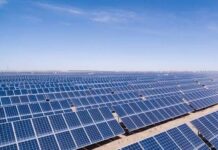
Recent statistics from the Indian Green Building Council reveal that around 45% of commercial real estate projects in India now integrate green building standards. By 2025, projections indicate that 30% of new office spaces will achieve Leadership in Energy and Environmental Design (LEED) certification. This rising demand for sustainability is pushing developers to adopt green innovations to attract eco-conscious tenants. A notable trend is the construction of energy-efficient buildings powered by smart technology. Properties with rooftop solar panels and advanced insulation can cut energy costs and achieve energy savings of up to 40%, reducing carbon emissions by about 37% compared to conventional buildings.
Water and waste management are crucial for sustainable building designs in India, especially with projections indicating a drop in annual water supply to 1,367 cubic meters by 2031. Efficient water use can be achieved through rainwater harvesting, greywater recycling, and low-flow fixtures, potentially reducing consumption by up to 40%. Additionally, robust waste management practices, such as recycling and composting, can help address the 62 million tonnes of waste generated annually. Emphasizing wellness, developers are increasingly incorporating biophilic designs, natural light, and advanced air filtration systems.
Beyond the immediate benefits of improved working conditions, green innovation in commercial real estate has created substantial opportunities for investors and builders alike. Green commercial buildings typically command rental rates that are 10-15% higher than their non-certified counterparts, making them an attractive investment option. Additionally, the lower operating costs associated with sustainable features enhance profitability for builders. This convergence of sustainability and commercial real estate not only reflects a response to market demands but also represents a broader commitment to environmental stewardship. As developers continue to embrace green practices, the potential for a healthier, more sustainable urban environment becomes increasingly achievable, promising a brighter future for all stakeholders involved.