The construction industry, a cornerstone of global economic growth, is undergoing a significant transformation. With increasing emphasis on sustainability and energy efficiency, innovative building materials are emerging as key drivers of this revolution. Among these, gypsum-based products have gained prominence due to their versatility, eco-friendliness, and superior performance.
Gypsum, a naturally occurring mineral, has been utilized in construction for centuries. Its unique properties, including fire resistance, soundproofing, and durability, have made it an indispensable material in modern building practices. In recent years, technological advancements have further enhanced the performance and applications of gypsum-based products. One of the primary advantages of gypsum is its eco-friendliness. Unlike traditional building materials like cement, gypsum requires significantly less energy to produce, resulting in lower greenhouse gas emissions. Additionally, gypsum is a naturally occurring mineral that can be recycled, minimizing its environmental impact. Gypsum-based products, such as drywall and plaster, offer numerous benefits for both residential and commercial construction.
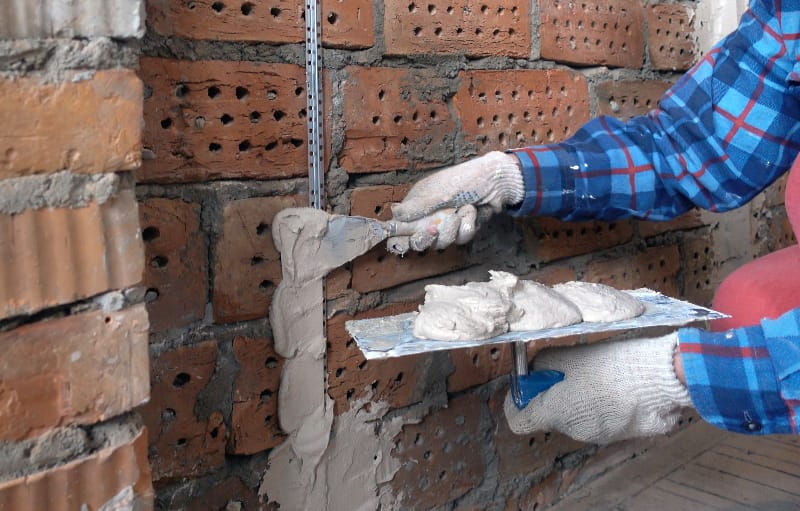
Drywall, in particular, has revolutionized interior construction, providing a fast and efficient way to create walls and ceilings. Its lightweight nature, ease of installation, and fire-resistant properties make it a popular choice among builders and contractors. Gypsum plaster offers a smooth, durable, and aesthetically pleasing finish. It can be applied to walls and ceilings to create a variety of textures and patterns, enhancing the overall look and feel of a space. Gypsum plaster also provides excellent sound insulation, making it ideal for creating quiet and comfortable living environments. As the global construction industry continues to grow, the demand for sustainable and high-performance building materials is increasing. Gypsum-based products are well-positioned to meet these demands, offering a range of benefits that contribute to the creation of healthier, more energy-efficient, and environmentally friendly buildings.