

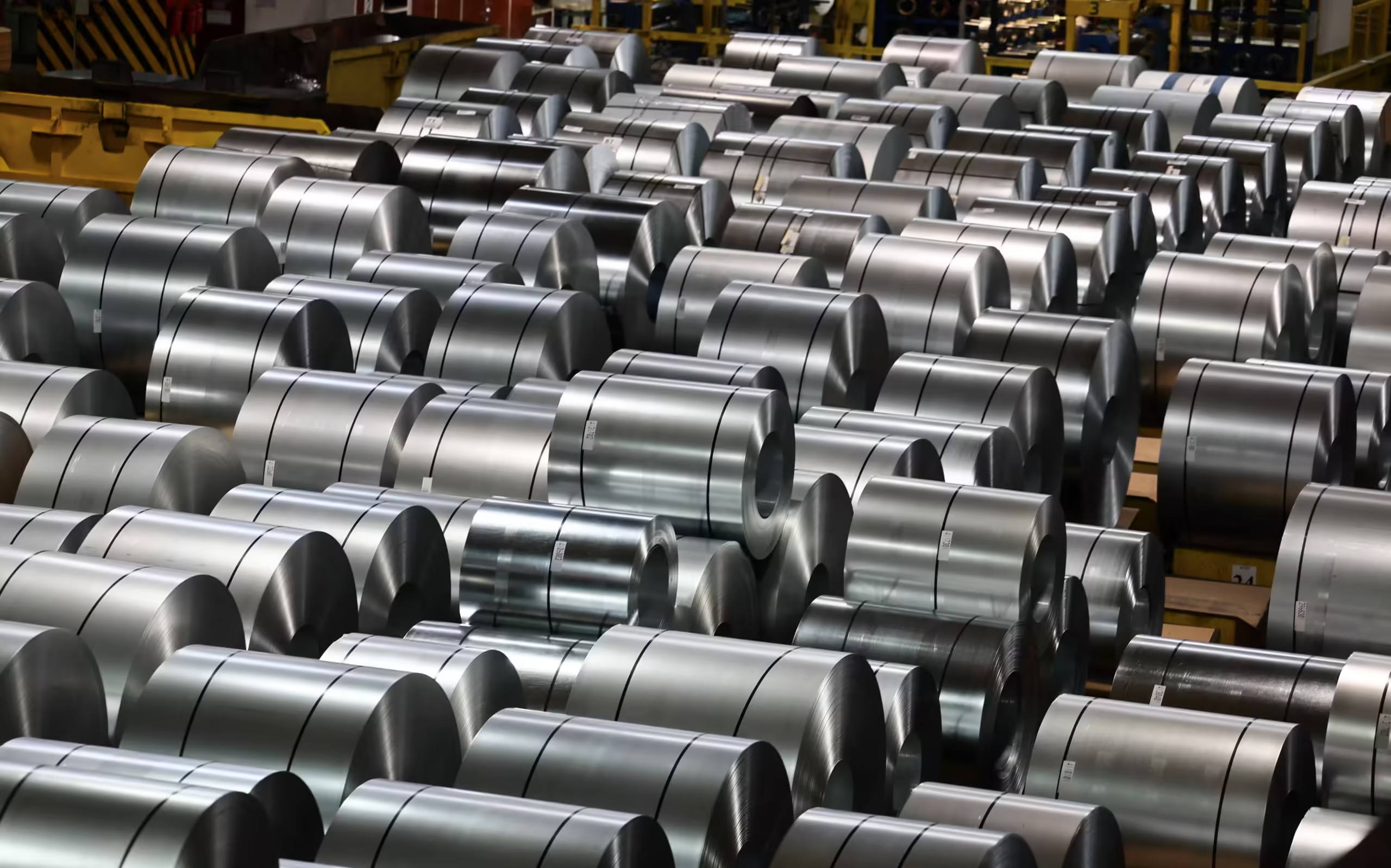
Indian primary steel producers are grappling with the dual challenges of declining steel prices and rising global competition, a trend that threatens to weigh on their profitability. Despite robust domestic demand and reduced cost pressures—largely attributed to falling coking coal prices—operating profit margins are projected to remain stagnant at 15-16% for the current fiscal year, industry analysts predict.
Primary steel, which is derived from iron ore, forms the backbone of India’s steel industry. However, Crisil Ratings foresees a contraction in earnings before interest, tax, depreciation, and amortisation (EBITDA) by 5-7% this year, primarily due to lower price realisations and significant growth-oriented capital expenditures. Domestic steel prices are expected to decline by an average of 10% this fiscal, dropping from ₹57,500 per tonne last year. The first half has already witnessed an 8% reduction in average prices compared to the previous fiscal. The weakening price trend reflects a convergence of factors, including global market headwinds and increased imports. “Subdued realisations and stagnant operating margins amidst a heavy capex cycle are set to dent the profitability of primary steelmakers this fiscal,” said a director at Crisil Ratings.
A critical concern lies in the global landscape. For the third consecutive year, global steel demand is poised for contraction, exacerbated by economic uncertainties in key markets. Notably, rising imports—especially from China, where demand remains tepid—are intensifying pricing pressures. Despite a solid domestic demand trajectory, this import influx is capping potential gains for Indian steel producers. The industry must navigate a delicate balance between maintaining competitiveness and absorbing the impact of capex commitments in a challenging market environment. Stakeholders will closely monitor global developments and domestic policy interventions to gauge the sector’s future trajectory.




