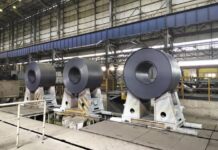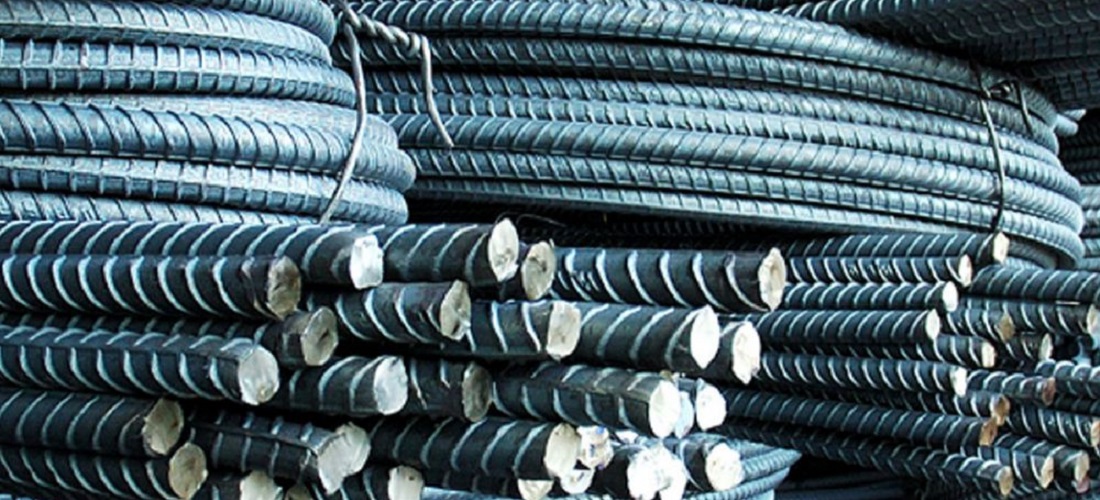
Brazil is witnessing significant strain on its steel import quota system, with importers exhausting 74% of the allocated quotas for steel products by November 25, 2024, ahead of the January 2025 deadline. According to data from Brazil’s foreign trade agency, SECEX, the total available quota for steel imports from October 1, 2024, to January 31, 2025, is 529.113 thousand tons. If the imports fall within this quota, they are subject to an average import duty of 12.5%. However, exceeding the quota will lead to a higher duty of 25%.
Despite the introduction of quotas and the higher import duties, analysts suggest these measures may not effectively curb the influx of imported steel, particularly galvanized and cold-rolled sheets, which are among the most imported products. The likelihood of Brazil introducing new barriers to rolled steel imports is growing, as current safeguards may not be sufficient to reduce the level of supplies from abroad to historical averages. Earlier in 2024, Brazil introduced a system of import quotas for 11 types of steel products to protect its domestic steel industry from the increasing supply of cheap foreign steel, particularly from countries with Free Trade Agreements (FTAs) with Brazil. The system was designed to prevent a flood of imports while maintaining fair competition for local manufacturers.
As part of the safeguard measures, if the quotas are exceeded, the Brazilian government will apply a 25% import duty on specific steel products such as rolled steel and pipes, as well as on products whose imports surged by over 30% compared to the average levels of 2020-2022. The increased tariff is aimed at shielding local steelmakers from the impact of cheap imports and maintaining a level playing field. Given the rapid pace of quota exhaustion and the continued reliance on imports, industry observers are predicting that Brazil may soon face additional import restrictions to ensure the survival and competitiveness of its domestic steel sector.