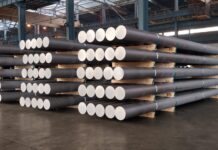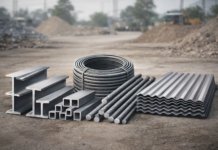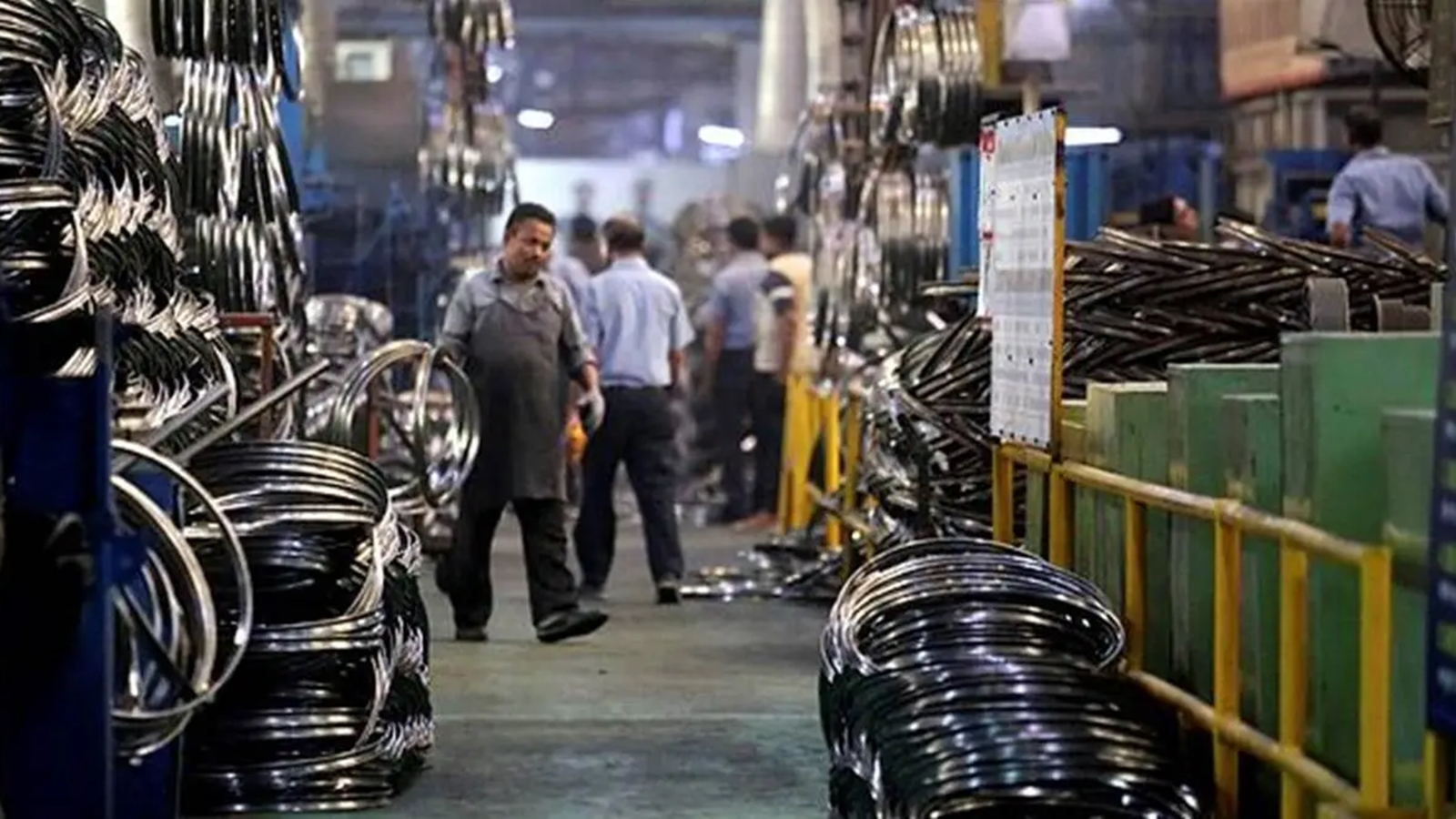
India’s reliance on Chinese steel imports has reached unprecedented levels, with the nation importing 1.7 million metric tonnes of finished steel from China between April and October 2024. According to government data, this marks a 35.4% year-on-year increase, creating significant challenges for domestic steelmakers.
India, the world’s second-largest crude steel producer, recorded an overall surge in finished steel imports to a seven-year high of 5.7 million metric tonnes during this period. China accounted for the largest share, exporting stainless steel, hot-rolled coils, galvanised sheets, and electrical sheets to India. Alongside China, South Korea and Japan collectively accounted for 79% of total finished steel imports, with imports from Japan and Vietnam more than doubling. The influx of inexpensive Chinese steel has compounded the struggles of Indian producers, who are battling falling domestic steel prices despite robust demand fueled by rapid infrastructure growth. Domestic players fear that the aggressive pricing of imports, particularly from China, could undermine their profitability and market share.
Alarmed by the increasing threat of cheap steel imports, the Ministry of Steel has proposed a 25% safeguard duty on flat-steel products for two years. In a letter to the trade ministry, Sandeep Poundrik, a senior steel ministry official, expressed concerns about a “looming threat” posed by low-cost Chinese imports. However, no official statement has been made by the ministry on this proposal. India’s finished steel consumption hit a seven-year high between April and October, underscoring the strong domestic demand. However, exports of finished steel fell by 29.3% in the same period. Italy emerged as the top buyer of Indian steel, while exports to Britain saw a 15% increase. The record-high imports highlight the delicate balance India must maintain between fulfilling domestic demand and protecting its steel industry. While India’s infrastructure and economic growth have spurred demand, policymakers are under pressure to prevent an over-reliance on foreign steel, particularly at the cost of domestic producers’ viability.