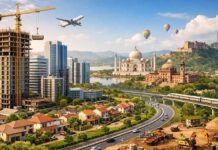
As 2024 comes to a close, India’s luxury housing market has witnessed a remarkable transformation, emerging as the definitive status symbol for affluent buyers. From opulent penthouses in Mumbai to sprawling villas in Bengaluru, luxury real estate has become synonymous with wealth, reshaping perceptions of affluence across the country. Not just homes, these properties now signify exclusivity, design sophistication, and sustainable living—a package that has redefined aspirations in urban India.
The demand for premium properties has soared, fuelled by a robust post-pandemic recovery in the real estate sector and the emergence of High Net-Worth Individuals (HNIs) and Ultra-High Net-Worth Individuals (UHNIs). According to Knight Frank’s Wealth Report, India saw a 14% rise in UHNIs in 2024, further driving the appetite for luxury homes. Cities like Delhi, Mumbai, and Hyderabad recorded a 20-25% surge in luxury housing transactions, underscoring the sector’s resilience despite global economic uncertainties. Buyers today prioritise smart homes, wellness features, and sustainable designs—showcasing an evolved definition of luxury.
Sustainability has taken centre stage in luxury housing, with green architecture, energy-efficient designs, and water conservation measures being key attractions. Developers are integrating renewable energy systems, such as solar panels and rainwater harvesting, into high-end projects. Comparatively, global markets in cities like Dubai and London have also adopted similar practices, reflecting a global alignment towards eco-conscious lifestyles in elite housing.
From a civic perspective, luxury real estate has also catalysed urban development, introducing upgraded infrastructure and creating high-value neighbourhoods. However, the rapid rise of this segment has also raised questions about housing affordability in nearby areas, drawing attention to a widening gap between socio-economic classes. Addressing this disparity remains a challenge for policymakers and urban planners as they navigate the dual priorities of development and equity.