

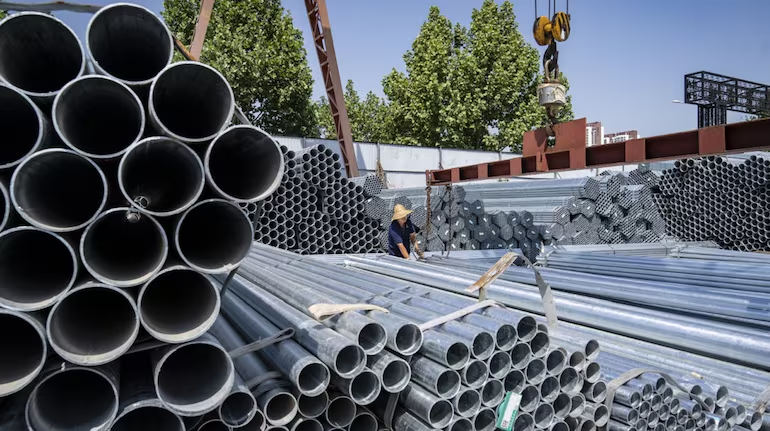
India is contemplating the imposition of a safeguard duty of up to 25% on steel imports to curb the influx of cheaper steel, particularly from China. This move comes after growing concerns from major Indian steel producers such as JSW Steel, Tata Steel, and ArcelorMittal Nippon Steel India, who have raised alarms about the competitive pricing of Chinese steel impacting their domestic production.
The proposal, which gained broad support at a meeting chaired by Commerce Minister Piyush Goyal on December 17, 2024, seeks to protect the domestic steel industry from the adverse effects of cheap foreign imports. Initially, small industries had opposed the idea, fearing that higher taxes would lead to increased steel prices. However, after receiving assurances that they would not be negatively impacted, especially through measures ensuring affordable raw material costs, these concerns were alleviated. As part of the proposed measures, large steelmakers would supply steel to small manufacturers at reduced prices, ensuring that they can access the material at around 20% below market rates. This arrangement, designed to shield micro, small, and medium enterprises (MSMEs), has been hailed as a key step toward supporting smaller players in the industry. The government plans to finalize the safeguard duty following an investigation by India’s Directorate General of Trade Remedies, which is currently assessing whether cheap imports from China are causing harm to domestic manufacturers. The investigation is expected to conclude within a month, paving the way for the duty’s imposition.
India, which is the second-largest producer of crude steel globally, became a net importer of steel in the financial year ending March 31, 2024. Imports reached record highs, with a substantial share coming from China. The country’s steel industry has faced challenges as domestic production struggles to compete with the low prices of Chinese steel, exacerbating concerns over trade imbalances. The proposed safeguard duty aims to provide some relief to domestic manufacturers by making imported steel less competitive. This move is expected to offer a dual benefit: securing the interests of larger steelmakers while ensuring small industries do not bear the brunt of higher prices. With the global steel market continuing to evolve, India’s decision to introduce a temporary tax on imports reflects the country’s efforts to strike a balance between protecting local industries and maintaining affordability for smaller manufacturers.




