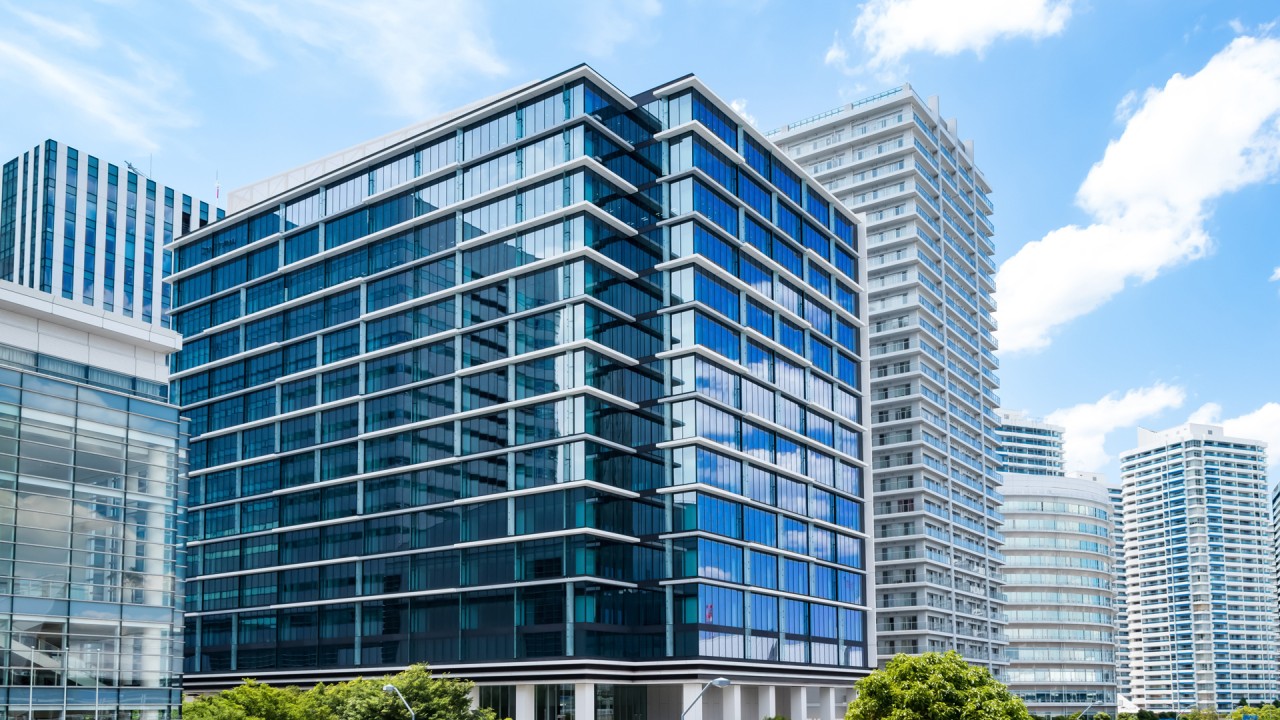
In the ever-evolving landscape of commercial real estate, office properties continue to stand out as one of the most lucrative and stable investment options. Despite the challenges presented by the COVID-19 pandemic, which caused disruptions in the way businesses operated, the office real estate market is showing signs of resilience. This sector offers significant opportunities, particularly as businesses and industries transition back to in-person work and hybrid models. For investors, office spaces provide long-term returns and the potential for steady cash flow through rental income.
One of the key factors driving the attractiveness of office real estate is its potential for high yields compared to other types of property investments. With businesses requiring physical spaces to operate efficiently, demand for commercial office spaces, particularly in prime locations, is expected to remain strong. Moreover, with an increasing focus on sectors such as technology, finance, and consulting, the demand for premium office spaces in urban areas is anticipated to increase. Cities like Bengaluru, Mumbai, and Delhi continue to be hotspots for high-end office spaces, offering attractive returns on investment for commercial property owners.
Beyond monetary benefits, office real estate presents an opportunity to engage with the evolving landscape of urban development and sustainability. Many investors are now seeking office spaces that meet green building standards, such as LEED or BREEAM certifications. These properties not only offer energy efficiency and lower operational costs but also attract tenants who value sustainability in their work environments. With the global shift towards environmental consciousness, there is growing interest in office spaces designed with sustainable practices, making them more desirable and future-proof investments.
Additionally, office real estate plays a significant role in the overall development of cities and communities. Urban areas benefit from the influx of investment in office buildings, which leads to job creation and improved infrastructure. However, to ensure the success and longevity of such investments, it’s crucial that developers focus on the long-term sustainability of office buildings, integrating renewable energy solutions, waste reduction practices, and other eco-friendly measures. As the market continues to evolve, the commercial office space sector will not only provide profitable returns but also contribute to the creation of sustainable, resilient urban environments.