

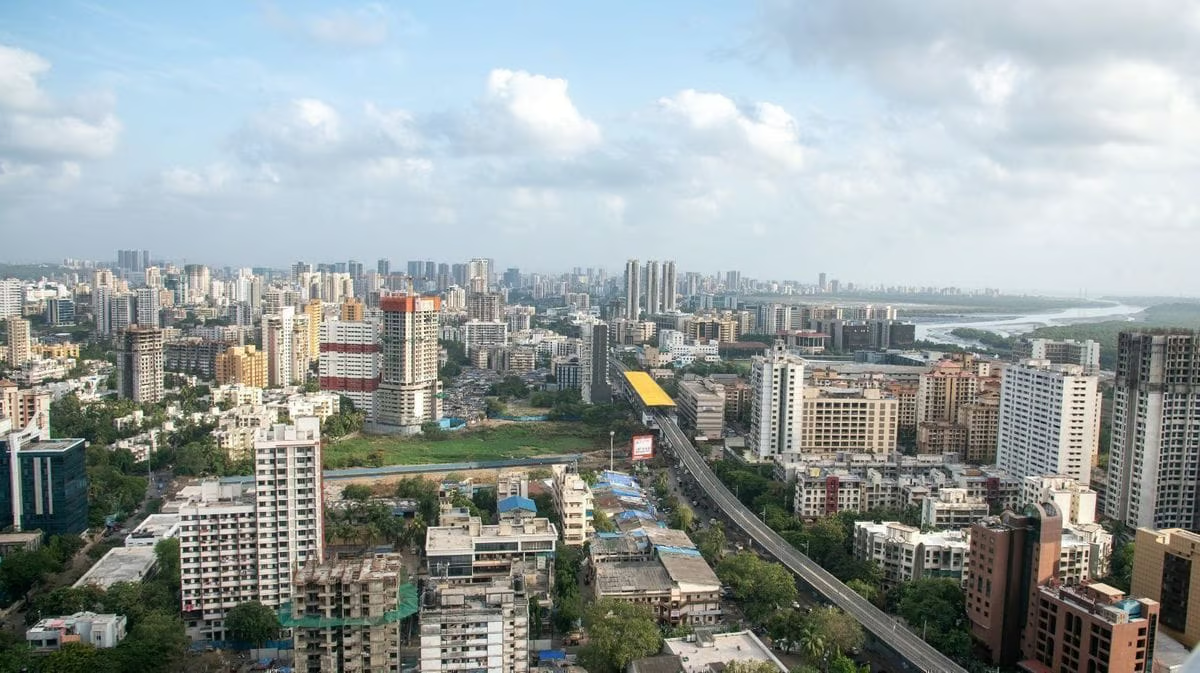
Delhi-NCR and Mumbai Compete for Ultra-Luxury Real Estate Supremacy
The year 2024 witnessed a spectacular rise in ultra-luxury real estate deals, with Delhi-NCR seemingly narrowing the gap with Mumbai. Landmark transactions such as a ₹190-crore penthouse in Gurugram and a ₹130-crore bungalow in New Delhi highlight the region’s emergence as a hub for affluent buyers. Meanwhile, Mumbai held its ground with record-breaking sales, including a ₹225-crore deal for two apartments at Oberoi Three Sixty West. As India’s High Net Worth Individuals (HNIs) increasingly seek high-end properties, the competition between these two metropolitan giants has intensified.
According to the HSBC Global Entrepreneurial Wealth Report 2024, 61% of India’s wealthy allocate their personal wealth to real estate, surpassing the global average of 51%. With ultra-luxury homes offering exclusivity, enhanced amenities, and networking opportunities with society’s elite, this segment has become a preferred choice for strategic investments. Reports from CBRE and Anarock further underscore this trend, noting a significant rise in ₹100-crore-plus transactions compared to 2023. Gurugram’s luxury offerings, such as DLF Camellias, have particularly gained traction, challenging Mumbai’s historical dominance in the segment.
From a sustainability perspective, the demand for expansive luxury homes raises questions about environmental responsibility. While these properties often feature eco-friendly designs and green certifications, the resource-intensive nature of large-scale developments calls for stricter sustainable practices. Builders in both Mumbai and Gurugram have started integrating renewable energy, water conservation measures, and energy-efficient systems to align with global sustainability goals.
Experts argue that while Delhi-NCR’s surge is noteworthy, the exclusivity of Mumbai’s high-end localities remains unparalleled. Trophy properties in Malcha Marg or Golf Links represent generational legacies, whereas Gurugram’s fully-loaded apartments appeal to modern preferences. With Gurugram’s average luxury property prices nearing ₹35,000 per square foot—comparable to Mumbai’s—Delhi-NCR has undoubtedly established itself as a worthy contender. However, the civic infrastructure challenges in Gurugram, including traffic congestion and air pollution, remain obstacles to its sustained growth as a premium destination.

