China’s steel sector is undergoing significant structural shifts as companies increasingly embrace greener, high-quality practices in response to both domestic and global demands. Experts highlight a growing need for low-carbon products, particularly in downstream industries such as electric vehicles (EVs), machinery, and energy, all of which are placing increased pressure on the steel industry to meet higher environmental standards.
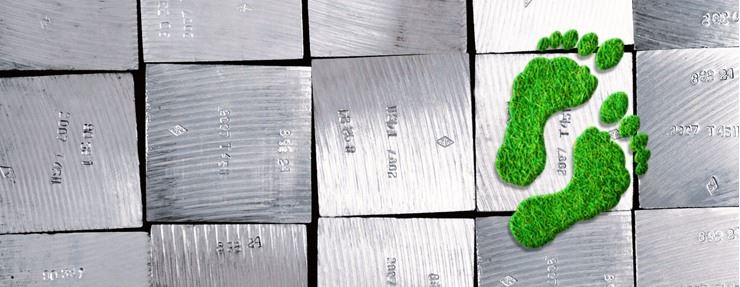
The imminent inclusion of the steel industry in China’s carbon trading market, coupled with the European Union’s Carbon Border Adjustment Mechanism, has further intensified the demand for environmentally friendly steel products. These developments signal a broader global movement towards reducing carbon footprints, and steel companies are pivoting to ensure they remain competitive in this evolving market. Guan Zhijie, deputy chief engineer of the China Metallurgical Industry Planning and Research Institute, explained that the entry of the steel industry into the domestic carbon market would require companies to supply steel products with lower carbon emissions to avoid additional costs. This shift is expected to bolster the global integration of Chinese steel manufacturers, as more countries begin to implement policies that price carbon emissions.
Despite the cost increases associated with green production practices, experts like Xiao Bangguo, deputy head of the institute, emphasize that steel companies must adapt to the changing landscape to remain viable. By upgrading product standards and refining their operational strategies, these companies can enhance their competitive edge, even in the face of global uncertainties. The transition to higher quality and environmentally sustainable practices is already underway. A recent report highlights a surge in steel consumption across sectors such as machinery, automobiles, and energy, while traditional sectors like construction and railways are seeing a decline. This trend is expected to continue, with particular growth anticipated in the aerospace, marine equipment, new energy, and EV sectors.
The institute projects that China’s steel demand will slightly decline by 1.5% in 2025, reaching 850 million metric tons. However, some sectors, such as automotive and energy, will continue to experience growth. Steel demand from the automotive sector is expected to rise by 4%, with an estimated 59.8 million tons of steel required. Similarly, the energy sector’s steel demand is projected to grow by 1.9%, and the shipbuilding sector by 5.7%. Moreover, China’s home appliance sector is also set to benefit from policy incentives, with steel demand expected to grow by 8.4% to 19.4 million tons in 2025, driven by trade-in programs and other governmental initiatives. As the steel sector adjusts to these new demands, it is clear that the industry’s future will be shaped by its ability to innovate and adapt to global environmental and technological trends, ensuring it meets the needs of high-tech industries and supports the transition to a more sustainable economy.