Real Estate and Rising Wealth India’s Urban Future
India is experiencing a profound transformation in its economic landscape, driven by an increasing number of High Net-Worth Individuals (HNIs) and Ultra High Net-Worth Individuals (UHNIs). The year 2024 has witnessed a notable surge in the population of affluent individuals, and this trend is set to continue in the coming years. As of this year, India ranks sixth globally in the number of UHNIs, with the nation’s population of ultra-wealthy individuals standing at a robust 13,600. This marks a healthy 6% annual growth rate, outpacing many global markets. According to projections, the UHNI population in India is expected to increase by a staggering 50% by 2028, significantly surpassing the global growth rate of 30%.
The growth of India’s affluent class, particularly in terms of UHNI and HNI numbers, is not just a matter of economic expansion but also an indicator of shifting socio-economic dynamics. India is home to over 850,000 HNIs as of 2024, and this number is expected to double by 2027. In an era where digital innovation, entrepreneurship, and industry advancements are at the forefront, these numbers reflect the increasing influence of young, tech-savvy entrepreneurs. Remarkably, 20% of these millionaires are under the age of 40, underlining the changing face of wealth creation in India.
The Influence of Youth and Technology on India’s Economic Rise
The dramatic rise in the number of young HNIs in India is a reflection of the country’s fast-evolving economy. The surge is largely driven by a combination of factors, including technological innovation, digital entrepreneurship, and a thriving start-up ecosystem. The growing prominence of industries such as IT, fintech, and e-commerce has empowered young entrepreneurs to scale businesses rapidly, amassing wealth previously unseen in this age group. The younger generation of wealth creators has embraced risk and disruption, leveraging technological advancements to create new models of wealth, which is reshaping traditional industries and global markets.
While this new breed of wealthy individuals is a beacon of India’s economic potential, it also brings forth challenges that need to be addressed. With the rapid rise in wealth creation, the gap between the rich and the poor has widened. In cities like Bengaluru, Mumbai, and Delhi, the stark contrast between affluent neighbourhoods and underdeveloped areas is increasingly apparent. The surge in wealth, if not managed effectively, could lead to deeper socio-economic divides. In this context, it becomes crucial for policymakers and business leaders to ensure that the growth of wealth translates into broader social benefits, such as improved infrastructure, healthcare, and education for all segments of society.
Sustainability: A Key Component of Wealth Growth in India
As India’s wealth surges, there is growing recognition of the need for sustainable practices in wealth management and business growth. The affluent class, particularly among UHNIs, is now becoming more focused on responsible investing, with many adopting Environmental, Social, and Governance (ESG) criteria in their financial portfolios. This shift is driven by a global movement towards sustainability and the increasing awareness of climate change’s impact on the global economy. India’s young millionaires, often at the forefront of technological innovation, are also championing sustainable business models that balance profit with purpose.
Sustainability has become a vital angle in India’s rising wealth story. Several UHNIs are making significant investments in green technologies, clean energy, and environmentally responsible projects. This shift is not just about enhancing the country’s economic standing but also about contributing to the long-term health of the planet. As India continues to grow economically, the onus is on the new class of wealth creators to ensure that their prosperity contributes to the greater good, addressing pressing challenges such as climate change, urbanisation, and social inequality.
Urban Transformation and Its Civic Implications
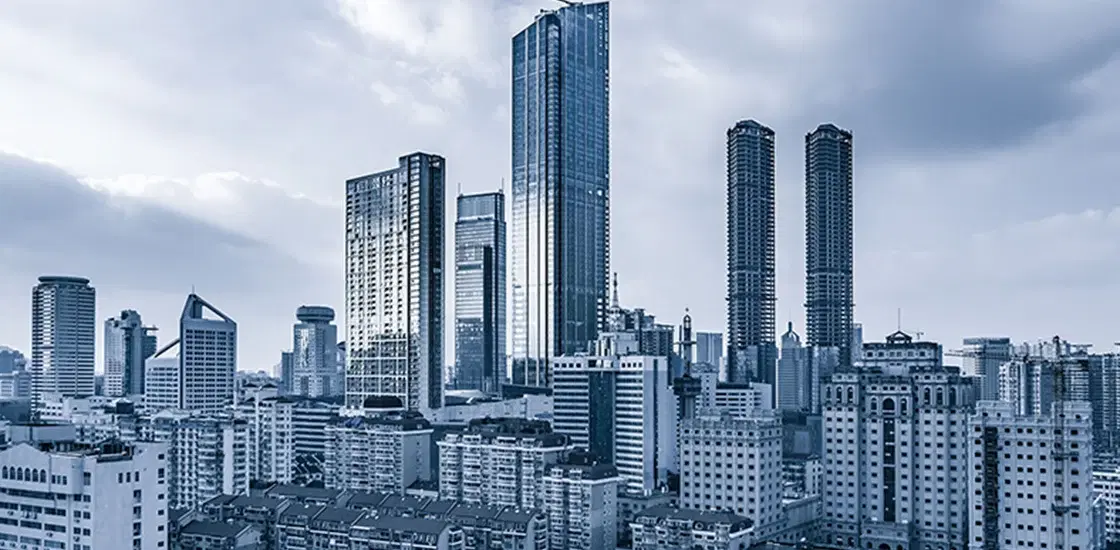
The rise of India’s wealthy class is also reshaping the urban environment. As HNIs and UHNIs accumulate wealth, they are driving urban development in cities like Mumbai, Delhi, and Bangalore. Luxury real estate, high-end retail spaces, and premium services are flourishing, resulting in a shift in city landscapes. However, the rapid expansion of wealth also brings forth civic challenges. The influx of affluent individuals into already crowded urban areas can exacerbate problems such as traffic congestion, pollution, and inequality.
Furthermore, the demand for sustainable infrastructure and civic amenities is becoming paramount. The affluent class’s increasing involvement in urban development projects must prioritise environmental considerations to create sustainable, liveable spaces for future generations. There is a growing demand for green spaces, eco-friendly buildings, and efficient public transport systems to ensure that urbanisation is both equitable and sustainable. As the wealth of India’s millionaires continues to grow, it is essential that urban policy reflects these needs, fostering an environment that balances economic growth with civic and environmental responsibility.