Pune Civic Body Approves 16 High-Rise Building Proposals in 2024
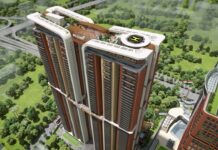
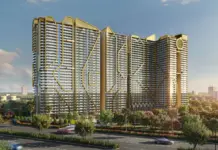
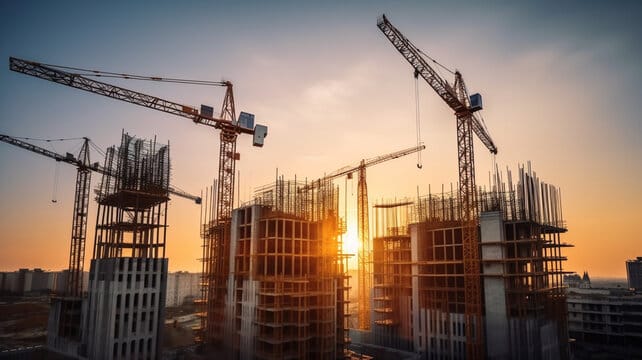
Pune has seen a sharp rise in vertical development, as the Pune Municipal Corporation (PMC) granted approval for 16 high-rise building proposals in 2024, a notable increase of 78% from the nine approvals in the previous year. This marks the highest annual tally since 2016 when the PMC began approving such proposals, reflecting a growing demand for high-rise construction in the city.
The approved buildings, all of which exceed the 24-metre height limit set by the Unified Development Control and Promotion Rules (UDCPR), are located in key areas like Somwar Peth, Balewadi, Baner, Mundhwa, Kharadi, and Bopodi. The tallest of these buildings reaches an impressive 160.45 metres, showcasing the ambition of Pune’s urban development plans. The rise in approvals comes at a time when Pune’s real estate market is expanding rapidly, driven by the city’s growing population and the need for more residential and commercial space. High-rise buildings, with their ability to accommodate more people in a limited area, are seen as a solution to the increasing demand for housing and infrastructure. Amol Bahadkar, a senior official from PMC’s building permissions department and a member of the PMC’s high-rise committee, stated that these high-rise projects were approved only after rigorous scrutiny. The committee carefully assessed the site conditions and ensured that essential infrastructure, such as wide roads (24 metres or more), was available. “The meetings of the high-rise committees are held regularly. This helps in better assessment of the proposals. Ground-level assessments are done before any approvals,” said Bahadkar.
While the surge in high-rise approvals has been welcomed by many in the real estate sector, some experts and citizens have raised concerns about the city’s readiness to handle such rapid vertical growth. According to Shailesh Dandane, an architect from the Indian Institute of Architects, Pune Centre, high-rises can be beneficial for fast-growing cities like Pune, but they must be supported by adequate infrastructure. “Vertical growth can help accommodate more people in a smaller space, but it should be accompanied by improvements in infrastructure, such as roads, sewage systems, and water supply,” he said. Urban planner Ramchandra Gohad echoed these concerns, emphasising the need for proper scrutiny before approving such developments. “If high-rises are built without considering the effects on traffic, sewage, and water supply, it could put an unnecessary burden on the city’s existing infrastructure. Development should not just focus on the buildings themselves but also on the supportive infrastructure required to manage them effectively,” Gohad warned.
The growing trend of high-rise approvals has led to a mixed response from Pune’s residents. While some view it as a necessary step in addressing the city’s housing needs, others are worried about the consequences of such rapid development. Sanjeevkumar Patil, a resident of the Nagar Road area, voiced his concerns over the possible strain on infrastructure. “Areas like Nagar Road already face significant issues with traffic congestion and water supply. If large high-rise towers are constructed in such areas, the residents will face even more challenges in the future,” Patil said. The PMC has implemented stricter regulations in recent years to ensure that these high-rise projects meet infrastructure requirements, such as the mandatory twin pipeline system for treated water supply. The absence of proper infrastructure was previously a major obstacle to approving such projects, but road widening and infrastructure enhancements in the last few years have expedited the approval process. Despite these improvements, there is still concern among a section of the public about the environmental and logistical impact of such large-scale vertical development. With Pune’s population steadily increasing, the city’s growth must be managed carefully to avoid exacerbating traffic, water, and sewage problems.