Yulu Bikes Expands to Non-Metro Cities with Franchise Model to Boost Growth
Yulu Bikes Expands Into Non-Metro Cities with Franchise Model
Yulu Bikes, the Bengaluru-based shared mobility startup, is strategically focusing its efforts on scaling its operations in non-metro towns, aiming to tap into tier-2 and tier-3 cities through a franchise model. This shift is set to accelerate its growth and drive greater revenue as it seeks to expand its service offerings beyond major metropolitan areas. CEO Amit Gupta shared with ET Infra that the company intends to diversify its reach, leveraging local entrepreneurs to run Yulu services in their respective cities.
Currently operating with a fleet of 45,000 vehicles, Yulu aims to surpass 100,000 in the current year. The startup’s franchise model is already in play in six cities and, by next year, it anticipates a presence in 30 to 40 cities across India. This expansion plan is designed to cater to a broad range of mobility needs, from personal transportation to last-mile deliveries for quick commerce, which is gaining momentum in the country.
Yulu’s strategic shift aligns with the booming demand for electric vehicles (EVs) and the fast-paced growth in the shared mobility and quick commerce sectors. Gupta emphasized that the franchise model could offer a scalable solution to meet the growing demand for alternative transportation options in smaller cities, allowing Yulu to reach more customers and optimise its market share. The company’s backing by institutional investors, including names like Bajaj Auto, Magna, and Rocketship, provides solid support for these ambitious expansion plans. The startup has raised over USD 123 million in equity capital and secured USD 12 million in debt financing, notably from the US International Development Finance Corporation (DFC) and Northern Arc, to help fund its expansion into non-metro regions. By implementing this business model, Yulu hopes to partner with local entrepreneurs who are well-placed to drive growth in their communities while expanding the accessibility of its services.
New Vehicle Form Factors and International Plans
Yulu Bikes is also experimenting with new vehicle form factors to cater to a broader array of needs. These include solutions tailored for larger e-commerce deliveries, which require vehicles capable of carrying substantial loads, as well as bike taxis for navigating challenging terrains in cities with complex infrastructure. The startup is currently testing a mid-speed scooter designed for performance in various Indian road conditions and weather patterns, with initial feedback from early users proving promising. The company’s ambitions extend beyond the national market. Yulu’s partnership with Bajaj Auto, which has a presence in over 70 countries, could soon facilitate its expansion into international markets. The franchise model could be replicated in other countries, bolstering Yulu’s position as a leader in shared mobility and electric vehicles.
Challenges in Battery Infrastructure
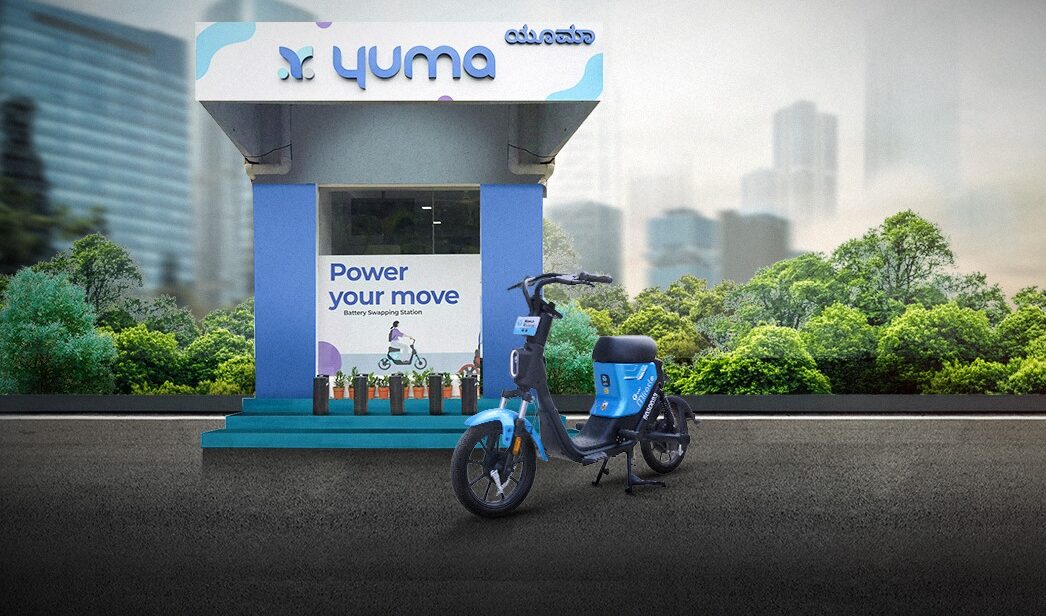
One of the challenges facing Yulu Bikes, and indeed the entire electric vehicle ecosystem in India, is the standardisation of battery technology. While Japan has seen OEMs (Original Equipment Manufacturers) collaborate on battery specifications and infrastructure, India is still in the early stages of establishing such frameworks. Gupta believes that Yulu could play a leading role in advancing battery-sharing networks like its Yuma platform, which would help create a “Star Alliance-type” ecosystem for battery swapping. This is especially crucial in India, where the lack of a standardised battery model could create hurdles for electric vehicle manufacturers and shared mobility service providers alike. By establishing its own network, Yulu hopes to make it easier for vehicles to access charged batteries and contribute to the broader growth of the EV sector in India.
Yulu Bikes is not just expanding its presence through a franchise model but is also embracing innovation in electric vehicle infrastructure and mobility solutions. By focusing on tier-2 and tier-3 cities, it aims to serve a much wider population, creating a more sustainable and efficient transportation network. The company’s potential for growth in non-metro towns, combined with its ambitious international expansion and commitment to battery infrastructure, positions it as a key player in the evolving shared mobility sector.