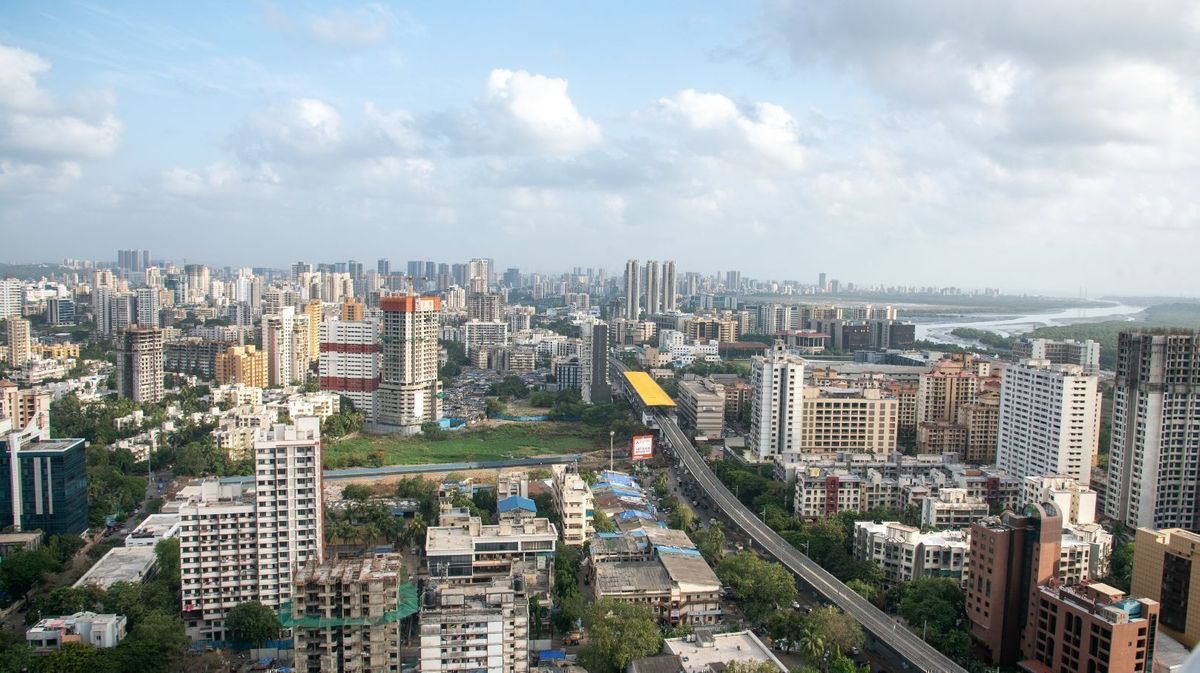
Mumbai’s western suburbs—particularly Goregaon and Malad—are fast emerging as the city’s most dynamic residential and commercial zones. Data from a leading financial advisory reveals that over 33% of Greater Mumbai’s property registrations in 2024 were from the western belt, with Goregaon, Malad, Kandivali, and Borivali accounting for 58% of that volume.
Notably, these areas also comprised 72% of all residential launches within the same period, positioning the western arc as the epicentre of Mumbai’s future growth story. This surge aligns with recent budgetary announcements that designate Goregaon among seven key business hubs in the Mumbai Metropolitan Region (MMR) set for transformation into global-standard economic centres. According to officials, this policy-level intervention is not merely a boost to commercial prospects but also a deliberate strategy to decentralise development and encourage sustainable urbanisation.
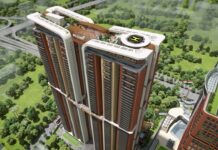
Urban planning experts suggest that this realignment is rooted in a broader behavioural shift among homebuyers. Today’s urban residents are no longer solely focused on location or square footage—they are increasingly drawn to integrated living environments that combine proximity to work with cleaner air, green spaces, and social infrastructure. This has elevated the appeal of the Malad-Goregaon corridor, where upcoming infrastructure projects such as metro extensions, road upgrades, and high-grade commercial hubs are reconfiguring the urban fabric. Real estate developers active in the region emphasise that modern homebuyers are prioritising lifestyle over luxury. Developments now routinely include rooftop gardens, tree-lined jogging paths, and open sky decks—not as premium features but as standard elements expected in any project catering to mindful, health-conscious citizens. This design thinking also ties into the need for more sustainable and net-zero living spaces.
“Nature-centric planning and community-based layouts are shaping the new normal,” according to industry experts. High-rises that once symbolised exclusivity are now being redesigned to maximise airflow, natural lighting, and green integration. With land scarcity in Mumbai a constant constraint, vertical development with an ecological conscience is emerging as a viable blueprint for high-density yet humane living. These western neighbourhoods also present a broad spectrum of housing choices. The same report from 1Finance notes that first-time homebuyers can still access compact 1-BHK units priced between ₹1 crore and ₹1.5 crore—figures considered accessible by Mumbai standards, especially when paired with enhanced connectivity and urban amenities. At the other end of the spectrum, luxury buyers are offered premium towers equipped with wellness clubs, co-working lounges, and panoramic views.
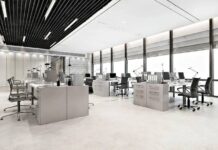
Significantly, the expansion of Grade-A office spaces across Goregaon and Malad is eroding the traditional north-south commute model. The ability to live within minutes of work not only saves time but also resonates with the growing emphasis on work-life integration. Experts note that this trend is also driving demand for mixed-use developments where residential, commercial, and leisure zones coexist seamlessly. This urban evolution is further accelerated by the city’s commitment to public infrastructure upgrades. The extension of metro lines, expansion of arterial roads, and proposed linkage between commercial clusters and housing pockets are turning the western suburbs into self-contained urban ecosystems. Officials believe this decentralised growth will not only reduce pressure on South Mumbai but also contribute to better air quality, reduced congestion, and more equitable access to city resources.
Demographic patterns also reinforce the shift. The western suburbs are drawing a younger, upwardly mobile population that values community interaction, environmental consciousness, and digital convenience. Real estate professionals point to increased interest from working professionals, nuclear families, and entrepreneurs who prefer the emerging social and cultural identity of these areas over the legacy prestige of older neighbourhoods. While this westward shift does not signal a decline in other parts of Mumbai, it underscores the city’s evolving urban geography. The narrative is now one of distributed development—where multiple centres thrive simultaneously, reducing dependence on historic cores and promoting resilience through spatial diversity.
For city planners and policymakers, this momentum presents a unique opportunity. If supported with sustainable infrastructure, inclusive zoning, and eco-sensitive design, the western suburbs could serve as a prototype for how Indian megacities adapt to climate urgency and demographic flux. At a time when urban centres across the country are grappling with overpopulation, pollution, and infrastructure fatigue, the transformation underway in Mumbai’s western arc is more than just a real estate story—it is a signal of how Indian cities might balance growth with green living.
Also Read : https://homesbuildings.com/mumbais-new-50-metre-tower-to-offer-coastal-views/