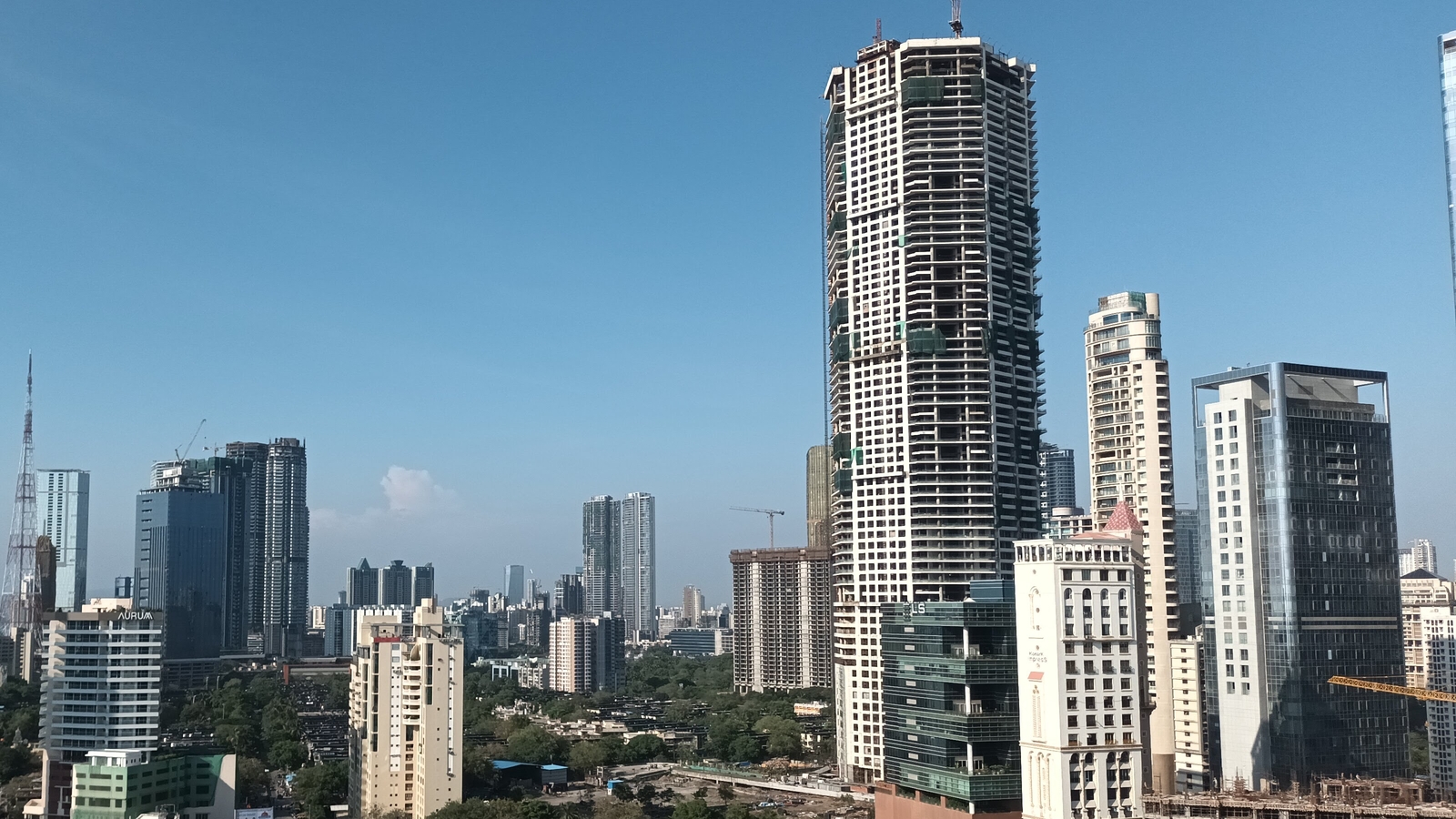
Housing sales across nine major cities fell 19% year-on-year to 94,864 units in Q2 2025 (April–June), while new housing supply plunged 30% to 82,027 units—the first time both metrics have stayed below the 100,000‑unit mark since Q3 2021, according to PropEquity data.
Mumbai recorded the steepest drop, with sales tumbling 34% to 8,006 units and supply plummeting 61% to 4,949 units. Thane mirrored this trend with a 34% decline in sales, while supply fell 58%. Out of the nine surveyed cities, seven experienced falling sales year-on-year. Only Delhi‑NCR and Chennai bucked the trend, registering sales growth of 16% and 9%, respectively. On the supply side, Delhi‑NCR (+37%), Hyderabad (+19%), and Chennai (+6%) were the sole exceptions.
PropEquity CEO stated that with both sales and supply undershooting the 100,000‑unit threshold, this quarter marks a notable inflection point. Mumbai, Bengaluru, and Navi Mumbai—markets which peaked in 2023–24—appear to be reverting to a more sustainable trajectory. Quarter-on-quarter comparisons also reflect a slowdown: sales dipped 10%, though supply edged up by 2%, suggesting developers are pacing new launches cautiously.
City-level performance reveals nuances: Bengaluru’s sales slipped 6% to 14,676 units, while supply fell 13% to 14,243 units. Hyderabad’s sales dropped 20% to 11,815 units, even as supply climbed 19% to 10,544 units. Pune, Kolkata, and Navi Mumbai also saw sharp supply declines Industry analysts view this slowdown as a market correction after the “COVID‑era housing boom,” which surged amid low interest rates and pent‑up demand. Property prices in major centres had climbed significantly, prompting a cautious response from both buyers and developers .
A housing economist noted that muted sales will likely curb speculative launches but could help stabilise pricing and reduce carbon‑intensive over‑construction—aligning with sustainable urban growth objectives. That said, regional resilience remains significant. For instance, Delhi‑NCR’s growth is attributed to new inventory in Ghaziabad and Greater Noida, while Chennai’s steady conditions reflect consistent infrastructure demand.
Affordable and mixed‑income segments remain key to future momentum. Experts assert that prioritising walkable, green‑certified housing stock—alongside public transport access—can support more inclusive urban densification and mitigate emissions-intensive sprawl. If the slowdown deepens, analysts caution against overbuilding in oversupplied corridors. Instead, focus should shift to retrofitting existing housing, enhancing energy efficiency, and embedding neighbourhood-level water, waste, and mobility solutions.
Urban planners stress that low‑rise and social housing segments must not be sidelined amid supply pinch. Strategic public‑private partnerships can promote equitable access while distributing density across transit‑connected nodes. On environmental fronts, slower supply may decrease demolition waste, reduce embodied carbon in new concrete, and improve resource utilisation. Still, stagnant sales risk sidelining investments in green infrastructure—such as rooftop solar or rainwater harvesting—if developer margins narrow.
For Mumbai and Thane, the sharp decline may ease peak‑period congestion and improve green‑belt conservation, yet it poses housing affordability challenges. Demand contraction in the premium segment may widen gaps unless supply is redirected to inclusive, low‑carbon projects. Looking ahead, market recovery will hinge on macro factors—interest rates, affordability, and economic confidence. Government incentives and housing‑urbanisation schemes could accelerate demand in underprovided segments.
In the interim, the real estate ecosystem faces a transition: developers are recalibrating to local demand, planners are revising urban footprints, and sustainability advocates are pushing for measured, climate‑sensitive growth. As the industry adjusts, the focus must shift from volume growth to value-driven, equitable housing that supports zero‑carbon outcomes, respects urban ecosystems, and fosters gender‑neutral community design.
This correction phase may prove vital for aligning India’s housing expansion with sustainable development goals—and for shaping resilient, liveable cities in the next decade.
Mumbai leads 19 percent housing sales fall across nine cities