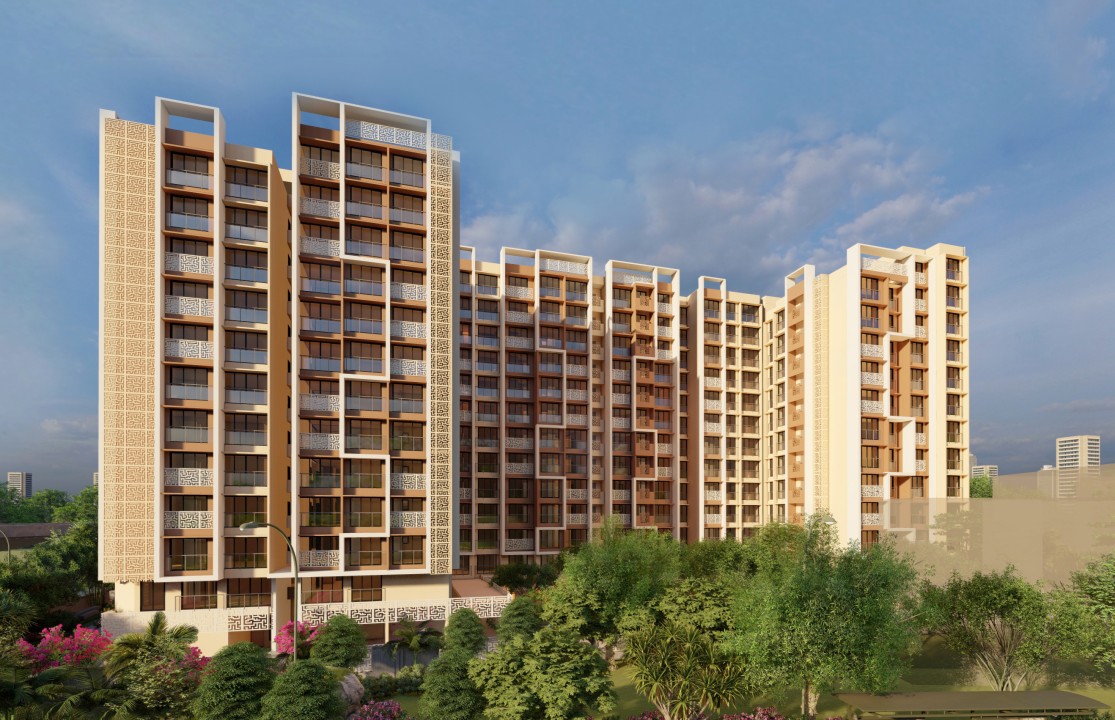
In Mumbai, not a single housing society on government-leased land has opted for self-redevelopment, according to data obtained through the Right to Information (RTI) Act. The city and its suburbs host approximately 3,000 cooperative housing societies on occupancy class II land, leased by either the government or the collector. Despite concessional schemes aimed at encouraging redevelopment, the uptake among residents has remained negligible.
Officials explained that last year the state government introduced a 5% concessional scheme for converting leased land to freehold, allowing societies to pay just 5% of the Ready Reckoner (RR) rate if self-redevelopment was completed within two years. The scheme also mandated that 25% of any additional floor space be allocated to the Pradhan Mantri Awas Yojana (PMAY). While an extension of two years is available for implementation delays, failure to meet deadlines would revert land status and result in forfeiture of any paid premium. Experts and housing advocates describe the scheme as impractical and ill-conceived, which has kept it largely unutilised. According to officials from the Federation of Grantees of Government Land, the steep financial burden, bureaucratic complexities, and procedural approvals deter residents from participating. “Middle-class and senior citizen households dominate these societies. The costs for freehold conversion, coupled with compliance for violations and membership transfers, are prohibitive,” stated an official familiar with the matter.
A modified scheme with a 10% RR rate premium has seen some uptake, though limited. Prior to March 2024, six societies opted for the 15% premium conversion, while 62 societies have availed of the 10% scheme since the government reduced the rate. Authorities acknowledge that these numbers highlight the continuing challenges in incentivising redevelopment on government land. Urban planning experts note that self-redevelopment offers potential benefits, including improved infrastructure, modern housing standards, and optimised land use. However, residents face persistent hurdles such as high upfront costs, regulatory red tape, and the risk of delays or financial loss, particularly in cases where redevelopment plans fail to materialise within stipulated timelines.
Officials also highlighted that corruption, inconsistent approvals, and clearance requirements further dissuade societies from engaging in self-redevelopment. The financial and administrative risks, they argue, outweigh the incentives offered by concessional schemes, leaving government-leased plots underutilised despite the city’s pressing need for sustainable urban renewal. The low uptake raises broader concerns about affordable, eco-friendly redevelopment and the capacity of existing policies to foster inclusive urban transformation. Experts stress that addressing procedural bottlenecks, simplifying approvals, and integrating green building incentives could make self-redevelopment more viable for middle-class and senior citizen households.
As Mumbai continues to expand and modernise, the effectiveness of policy instruments like concessional land conversion schemes remains a critical factor in achieving sustainable, equitable urban redevelopment. Urban planners and housing officials emphasise the need for targeted interventions to ensure that government-leased land contributes meaningfully to the city’s housing stock while maintaining financial feasibility for residents.
Government Land in Mumbai Sees Zero Housing Societies Opting Self Redevelopment Scheme