Mumbai’s escalating housing costs have once again entered public debate after a widely shared commentary by a wealth advisor questioned whether the city’s middle class is trading financial security for the symbolism of owning a home. The post, which broke down the arithmetic behind a typical home loan for a modest apartment, has prompted renewed calls for more inclusive, sustainable and affordable housing models in India’s most expensive real estate market.
According to the advisor, the prevailing cost of a basic two- or three-bedroom apartment in Mumbai often ranging between ₹3 crore and ₹8 crore places the ownership dream out of reach for a majority of middle-income families. Even with a standard 20 per cent down payment, buyers need anywhere between ₹60 lakh and ₹1.6 crore upfront. The remaining loan, stretching from ₹2 crore to ₹6.4 crore, translates into monthly instalments of ₹1.5 lakh to over ₹5 lakh at current interest rates. As several housing finance experts note, these numbers are “fundamentally misaligned” with the income realities of urban salaried households.
Industry observers say the debate reflects a deeper structural issue: Mumbai’s housing market has evolved into a high-value asset class driven by speculation, brand-driven premiumisation and limited land availability. “Prices are no longer anchored in resident incomes but in investor expectations,” said a senior real estate consultant. This divergence, they argue, is what fuels the widening affordability gap particularly acute in a city where essential workers and middle-income residents continue to commute long distances due to the cost of living near employment hubs.
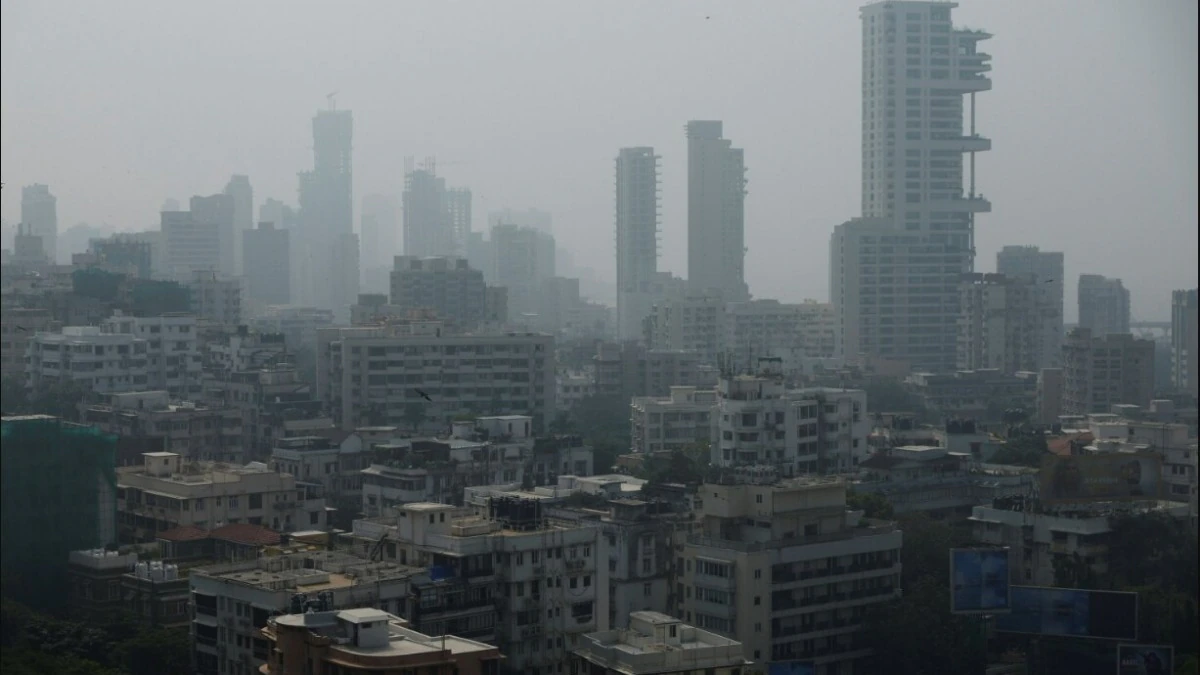
The advisor’s critique also highlights the contradiction between the city’s aspirational coastal lifestyle and environmental realities. While sea-facing developments command some of the highest premiums in India, residents frequently contend with deteriorating air quality, heat stress and limited open spaces challenges that environmental planners believe are likely to intensify without integrated coastal management and equitable public realm improvements. “A city cannot rely on premium waterfronts while neglecting climate resilience,” an urban planner said, emphasising the need for inclusive zoning and green infrastructure.
The comparison with smaller Indian cities where families are building spacious homes at a fraction of Mumbai’s prices has also struck a chord. Many experts note that the lifestyle gap reflects broader questions of decentralisation, regional development and the uneven distribution of economic opportunities. Unless job creation becomes more geographically dispersed, metros like Mumbai will continue to shoulder disproportionate demand, keeping prices high and ownership elusive.
While some analysts caution against characterising the market as a bubble, most agree that the city requires a multi-pronged policy response: greater transparency in transactions, incentives for affordable and rental housing, and better transport-linked development to expand viable living options. For many urban planners, the real issue is not whether home ownership is feasible, but how Indian cities can design housing ecosystems that balance aspiration with sustainability, equity and long-term urban well-being.
Mumbai Advisor Says Middle Class Buys Lifelong EMIs Not Real Homes