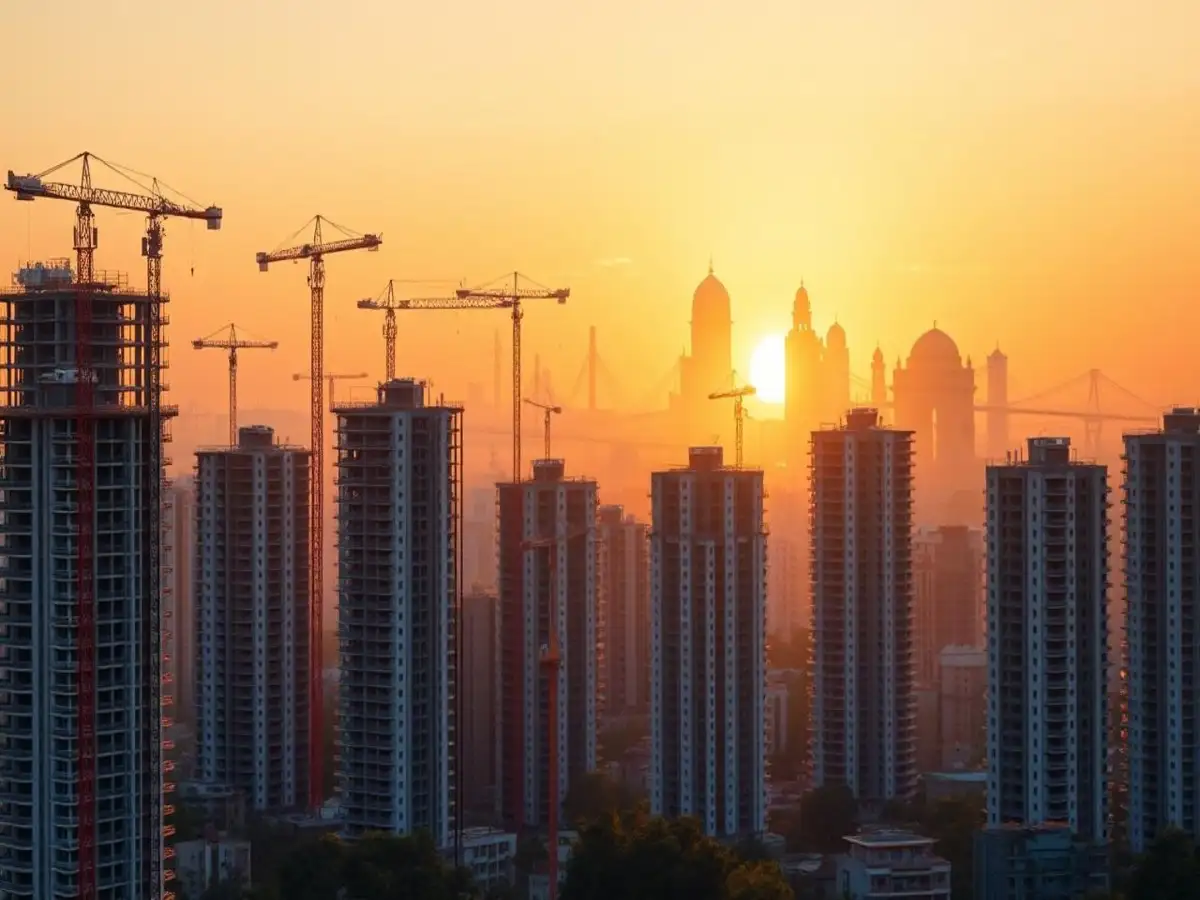
Air pollution has moved from being a seasonal concern to a permanent consideration shaping housing decisions across Delhi-NCR. With air quality frequently slipping into ‘very poor’ and ‘severe’ categories, developers are increasingly marketing residential projects as wellness-oriented, promising cleaner air through design-led interventions such as urban forests, advanced filtration systems and landscaped buffers. The trend signals a shift in how liveability is being defined in one of India’s most polluted urban regions.
On several recent mornings, pollution levels in the capital have hovered near the upper end of the Air Quality Index scale, reinforcing anxieties among prospective homebuyers. Health concerns, particularly around respiratory illnesses and long-term exposure to particulate matter, have intensified since the pandemic, pushing air quality higher up the residential checklist alongside location and affordability. In response, developers argue that architecture and building services can create healthier micro-environments even within polluted cities. Several large residential projects now integrate centrally treated fresh-air systems designed to filter PM2.5 and other harmful pollutants before air enters living spaces. Landscaped green zones, including dense plantations inspired by urban forest models, are also being promoted as natural buffers against dust and emissions. Industry executives say such features reflect changing buyer expectations. “Health and wellbeing are no longer add-ons; they are becoming core decision drivers,” said a senior real estate executive. Projects with indoor air purification, quieter layouts and shaded green courtyards are seeing stronger interest, particularly from families with children and elderly residents.
Urban planners and environmental experts, however, caution against viewing wellness housing as a standalone solution. While building-level interventions can improve indoor air quality and local comfort, they do little to address the structural causes of urban pollution. Long commutes, traffic congestion and fragmented land-use planning continue to generate emissions at scale, limiting the wider impact of isolated green features. Experts point out that urban forests and advanced filtration systems require sustained maintenance to remain effective. Without long-term operational planning, their environmental benefits can erode quickly, leaving residents with higher maintenance costs but limited real gains. “Buyers should look beyond labels and ask what outcomes are being deliveredmeasurable reductions in pollution, water use or energy demand,” said an environmental consultant. There is also concern that ‘wellness’ is increasingly being used as a marketing differentiator rather than a rigorously defined standard. Architects argue that true sustainability lies in integrated urban systems compact neighbourhoods, efficient public transport, and reduced dependence on private vehicles. When homes, workplaces and amenities are located closer together, emissions fall naturally, improving air quality at a city scale rather than within gated enclaves.
As Delhi-NCR grapples with its air crisis, the debate highlights a broader question confronting Indian cities: can design-led housing solutions meaningfully improve quality of life without parallel investments in urban planning, mobility and environmental governance. The answer may determine whether wellness homes remain niche offerings or become part of a more inclusive, resilient urban future.
Also Read: Pune ArcelorMittal Global Capability Centre Leases One Lakh Sq Ft Office Space