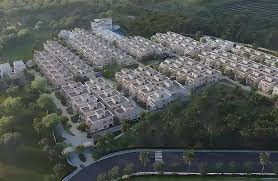
The Visakhapatnam housing market is projected to expand by 6–10 per cent in 2026, driven by airport infrastructure, technology investments and a widening employment base. Analysts tracking the eastern coastal city say the next phase of growth will hinge on how effectively new corridors integrate housing, transport and industrial development.
Long regarded as a strategic port and industrial centre, Visakhapatnam is repositioning itself as a diversified urban economy. A key catalyst is the upcoming Alluri Sitarama Raju International Airport at Bhogapuram, expected to be operational in the near term. Real estate consultants estimate that land values within a 10-kilometre radius of the airport site have already firmed up, with residential layouts and mixed-use proposals gathering pace. Technology sector expansion is also influencing demand patterns. Global firms such as Google and Cognizant have either announced or scaled up their presence in the region, creating fresh white-collar employment clusters. This is reshaping housing absorption across both affordable and mid-premium segments, particularly among younger professionals. Geographically, growth is no longer confined to established neighbourhoods. North Visakhapatnam including Madhurawada, Kommadi and adjoining stretches is witnessing accelerated residential launches. Improved arterial connectivity and proximity to upcoming employment hubs are encouraging developers to introduce larger, higher-specification projects. Bhogapuram, located roughly 40 kilometres from the city core, is emerging as a speculative investment belt, with plotted developments and gated communities targeting early movers.
Market observers note that the Visakhapatnam housing market is also becoming more institutionalised. Grade A projects with formal compliance standards, better amenities and professional facility management are gaining traction. This shift is attracting domestic funds and non-resident investors who previously focused on metropolitan markets. Demand remains broad-based. Entry-level housing continues to appeal to first-time buyers, particularly those employed in logistics, manufacturing and public sector undertakings. Meanwhile, mid-income and premium homes are drawing interest from technology and financial services professionals. Developers report that lifestyle features such as co-working lounges, energy-efficient systems and community open spaces are increasingly factored into purchase decisions. Urban planners, however, caution that sustaining 6–10 per cent annual growth will require coordinated infrastructure delivery. Transport linkages between the airport corridor and the existing city, water security planning and coastal resilience measures will be critical in ensuring that expansion does not outpace civic capacity.
If managed prudently, the Visakhapatnam housing market could evolve into a model for tier-two urban transformation one where infrastructure, employment and liveability advance in tandem. The coming two years will test whether planning frameworks can match investor optimism with sustainable urban outcomes.
Also Read: YM Infra Ashwin Sheth launch Marine Lines tower
Visakhapatnam housing market eyes steady growth