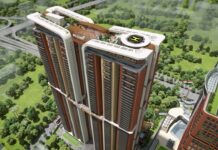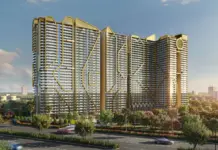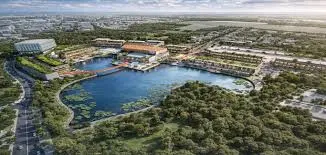
Advance India Projects Limited is preparing to expand its footprint in Ludhiana with plans for a premium commercial real estate project, signalling renewed investor interest in Punjab’s largest industrial centre. While detailed specifications are yet to be formally disclosed, the proposed development is expected to strengthen Ludhiana’s evolving office and retail landscape.
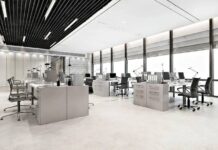
The planned Ludhiana commercial real estate project comes at a time when Tier II cities are witnessing gradual diversification beyond traditional manufacturing bases. Ludhiana, long known for its textiles, bicycle components and small-scale engineering units, is increasingly seeing demand for organised office spaces, branded retail formats and mixed-use business districts. Industry consultants say that corporate occupiers are beginning to look beyond metro cities for cost efficiencies and talent retention. Improved highway connectivity to Chandigarh and Delhi, alongside upgrades in urban infrastructure, have helped reposition Ludhiana as a viable destination for regional headquarters and service-sector expansion. Although project size, investment outlay and configuration mix remain under wraps, market observers expect the Ludhiana commercial real estate scheme to cater to a combination of Grade A office spaces and high-street retail. Demand for modern workspaces with integrated parking, energy-efficient systems and flexible layouts has grown in recent years as businesses adopt hybrid working models.
Urban planners note that commercial developments in cities like Ludhiana must integrate sustainability and mobility considerations from the outset. With rising urban heat and air quality concerns across north Indian cities, green building standards, natural ventilation strategies and efficient water management systems are becoming essential rather than optional. Well-planned commercial hubs can also reduce commute distances by bringing employment closer to residential clusters. From an economic standpoint, such projects generate multiplier effects. Construction activity supports local contractors and suppliers, while operational phases create formal employment in administration, retail and facility management. For municipal authorities, increased commercial property taxes expand fiscal capacity to invest in roads, drainage and public transport. However, experts caution that piecemeal commercial growth without integrated land-use planning could strain existing civic infrastructure. Parking demand, traffic congestion and pressure on utilities are recurring challenges in fast-growing secondary cities. Coordinated planning between developers and urban local bodies will be crucial to ensure that the Ludhiana commercial real estate pipeline aligns with long-term development goals.
As AIPL advances its expansion strategy in Punjab, the success of the proposed Ludhiana project will depend not only on market absorption but also on how well it contributes to a more organised, climate-aware and employment-generating urban ecosystem. For Ludhiana, the next phase of growth may hinge on balancing industrial legacy with contemporary commercial infrastructure.
Also Read: South Mumbai Malabar Hill redevelopment push
Ludhiana AIPL commercial real estate expansion