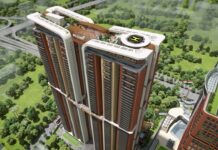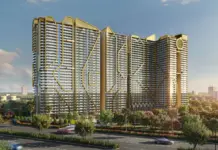
Urban growth pressures, infrastructure financing and climate resilience formed the core of discussions at the News18 Marathi Navi Mumbai Conclave held on 19 February in Navi Mumbai. The gathering brought together senior government officials, planners and private developers to examine how Navi Mumbai and neighbouring Raigad district can balance rapid expansion with sustainable urban design.
Senior representatives from the City and Industrial Development Corporation and the Navi Mumbai Municipal Corporation outlined the planning framework guiding the region’s next growth cycle. With large infrastructure projects such as the Navi Mumbai International Airport nearing operational readiness and multiple metro and road upgrades under way, officials stressed the importance of integrated land-use planning to prevent unstructured sprawl. Participants from the real estate sector highlighted redevelopment and self-development models as emerging tools for unlocking land in established nodes. In areas governed by industrial zoning under MIDC and older layouts, coordinated redevelopment is seen as essential to modernise ageing stock while increasing density near transport corridors. However, planners cautioned that higher floor space index (FSI) must be matched by investment in water supply, waste management and public transport. A separate session focused on regional connectivity between Navi Mumbai and Raigad, where new highways, suburban rail extensions and port-led industrial growth are expected to reshape settlement patterns. Officials from Panvel Municipal Corporation emphasised the need to align infrastructure rollouts with affordable housing provision to prevent displacement and long commutes.
The conclave also featured a policy dialogue with a senior state housing department official, who underscored Maharashtra’s emphasis on planned urbanisation. According to government representatives, the next phase of development will prioritise transit-oriented growth, digitised building approvals and environmental safeguards, particularly in coastal and ecologically sensitive zones. Urban economists attending the event noted that Navi Mumbai represents a test case for India’s “next-generation city” model conceived as a planned counter-magnet to Mumbai but now evolving into an independent commercial and residential hub. The challenge, they argued, lies in maintaining its original grid-based planning strengths while accommodating new demand for data centres, logistics parks and high-density housing. Climate adaptation also emerged as a recurring theme. With increasing instances of extreme rainfall across the Mumbai Metropolitan Region, stormwater drainage capacity, blue-green infrastructure and coastal regulation compliance were identified as critical priorities.
As Navi Mumbai moves into a high-growth decade, discussions at the conclave underscored a shared understanding: infrastructure expansion alone will not define success. The durability of the region’s growth will depend on coordinated governance, inclusive housing supply and the integration of sustainability into every stage of urban development.
Also Read: ESR expands Mumbai digital infrastructure footprint
Navi Mumbai infrastructure vision takes centre stage