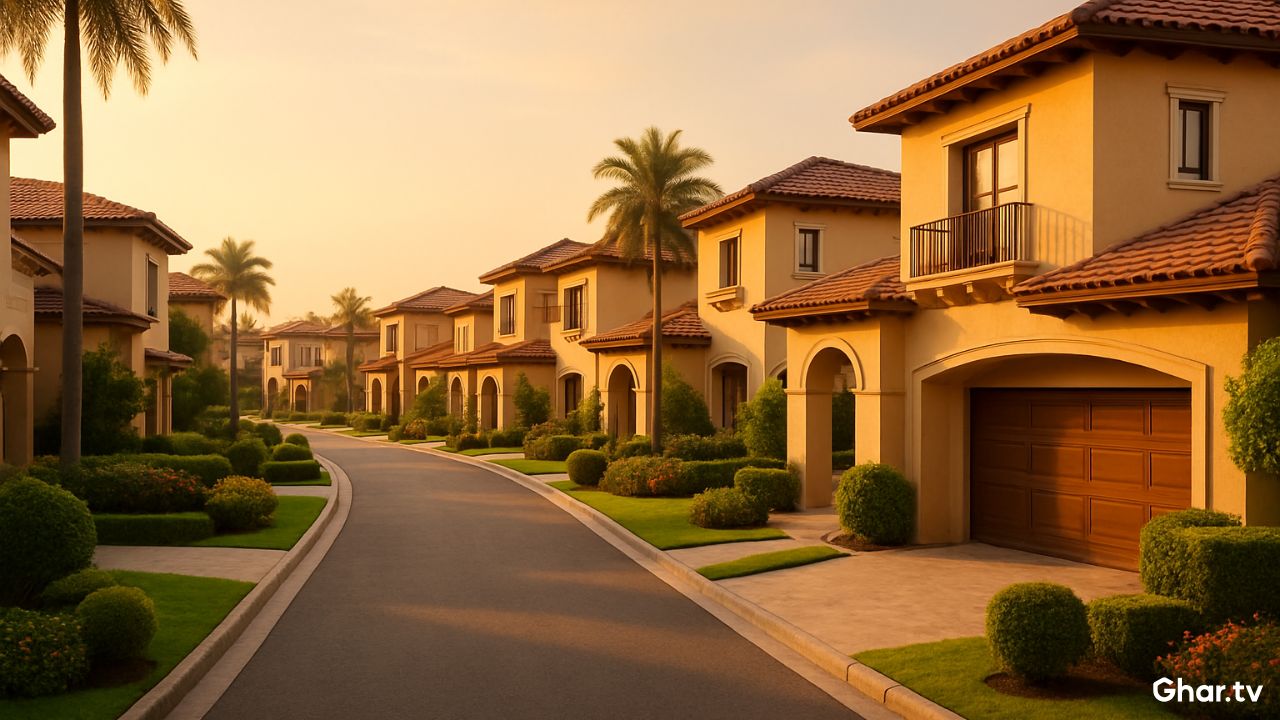
A new cluster of high-end residences is set to take shape in Hadapsar Annexe, as Shapoorji Pallonji Real Estate introduces a limited inventory luxury villa development in Pune’s eastern growth corridor. The project, comprising just 25 homes, signals rising demand for expansive, low-density housing formats in a city traditionally known for mid-rise apartment communities.
The development includes a mix of full villas and what the developer describes as “villaments” hybrid homes designed to combine the independence of a bungalow with the structural efficiencies of apartment living. In a market where vertical construction has dominated over the past decade, this pivot towards land-intensive formats reflects a clear shift in buyer preference, particularly among upper-income households seeking privacy, larger built-up areas and landscaped surroundings.
Each villa offers over 5,600 square feet of usable space, while the villaments range between roughly 3,400 and 3,800 square feet. Industry analysts say such configurations cater to professionals and business families working across Hadapsar’s IT and commercial districts, who increasingly prioritise home-based workspaces, private outdoor areas and multi-generational layouts.
Urban planners note that Hadapsar Annexe has evolved from a peripheral extension into a strategic residential micro-market. Its proximity to established employment nodes such as Magarpatta and SP Infocity, alongside access to education and healthcare facilities, has strengthened its liveability index. Planned infrastructure including a proposed double-decker flyover, ring road connectivity and metro expansion is expected to improve east-west mobility, a persistent challenge in Pune’s traffic network.
Pricing, starting in the upper luxury bracket, places the project firmly within Pune’s premium housing segment. However, the limited scale also raises broader questions about land use efficiency in rapidly urbanising corridors. While low-density formats appeal to affluent buyers, urban economists caution that balanced city growth requires a mix of housing typologies to ensure inclusivity and prevent infrastructure strain. The site’s integration of mature trees into the master plan aligns with a growing emphasis on biophilic design and climate-responsive architecture. Retaining existing green cover can help moderate microclimates, reduce heat gain and support biodiversity within residential layouts factors increasingly relevant as Indian cities confront rising temperatures and erratic rainfall patterns.
Real estate observers suggest that Pune luxury villas are emerging as a niche but expanding asset class, supported by rising disposable incomes and aspirations for differentiated living. At the same time, municipal authorities face the parallel task of ensuring that infrastructure keeps pace with high-value development.
As eastern Pune continues to densify, the interplay between boutique luxury projects and broader urban planning goals will shape whether growth remains sustainable, accessible and resilient in the years ahead.
Pune Sees New Low Density Luxury Villas