HomeLatestIndia Real Estate Faces Gulf Slowdown Pressure

India Real Estate Faces Gulf Slowdown Pressure

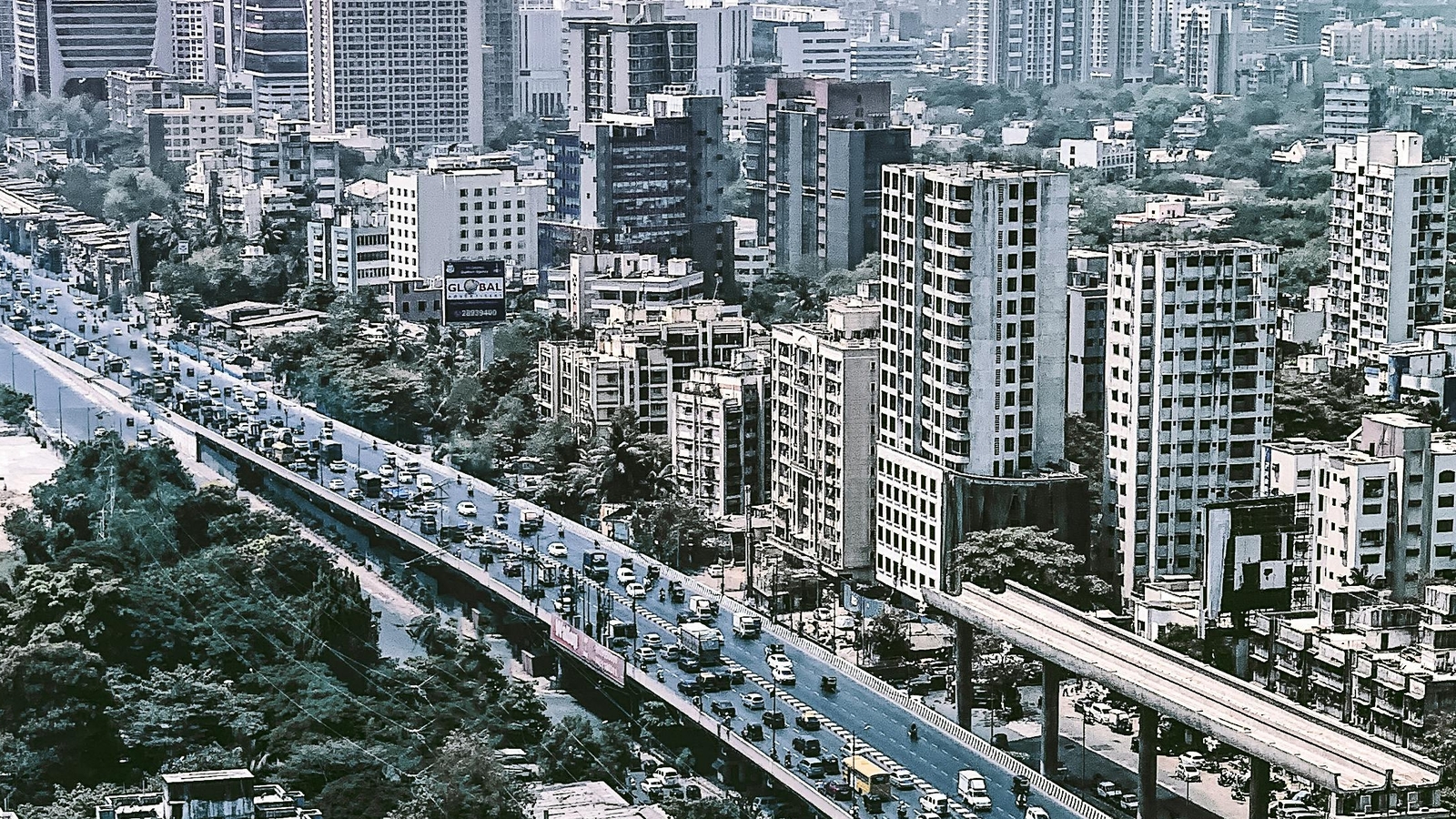
Escalating geopolitical strife in West Asia is prompting a noticeable shift in investment sentiment among Non-Resident Indian (NRI) buyers, with early indicators showing a near-term moderation in luxury housing demand across India’s major cities. As tensions intensify between key regional powers, industry analysts and market participants point to a cautious recalibration by overseas investors — particularly those based in the Gulf Cooperation Council (GCC) countries — that could temper transaction momentum in top-tier residential segments this quarter.

Data from property consultancies suggests that NRIs accounted for roughly one-fifth of primary residential sales in prime markets last year, with a majority of that inflow linked to buyers based in the Middle East. This cohort has traditionally underpinned demand for high-end housing in Mumbai, Delhi-NCR, Hyderabad and Bengaluru, drawn by wealth accumulation, capital diversification and long-term growth expectations.However, with fresh reports of disrupted air travel and rising uncertainty around employment prospects in key Gulf job centres, prospective buyers are adopting a “wait-and-see” stance. Brokers and developers describe this as a short-term pause rather than a withdrawal: potential investors are reassessing their timelines, price expectations and liquidity allocations before committing to large-ticket transactions.This shift in behaviour comes at a time when India’s premium housing market had been showing robust underlying fundamentals, including sustained interest in homes above ₹4 crore and broader resilience in luxury segments despite rising interest rates and supply constraints. Analysts say that NRI buyers have been an important stabilising force in these segments, often bringing foreign currency inflows that diversify domestic demand profiles.

Urban economists note that the current re-evaluation by overseas investors is not isolated to property alone. Broader financial markets have already reflected heightened risk aversion: Indian equity benchmarks experienced bouts of selling pressure, while volatility measures climbed amid global risk-off trading tied to West Asian developments.For Indian cities and developers, the key question now is whether buying intentions translate into completed transactions, or whether short-lived geopolitical uncertainty creates extended dampening effects. The former would suggest that current caution is merely tactical, linked to flight connections, employment outlooks and risk premiums. The latter could signal demand reallocation, potentially strengthening interest in other segments such as mid-market residential or investment-grade office assets, as investors hedge portfolios globally.Importantly, industry experts emphasise that long-term structural drivers, such as urbanisation, wealth growth and infrastructure development, remain intact. But there is a clear need for market transparency and investor confidence signals to sustain cross-border capital flows — particularly if geopolitical episodes prolong.

As India’s real estate ecosystem navigates this transient phase, stakeholders will be watching whether international risk sentiment evolves, or whether policy interventions and stabilising macro factors can anchor NRI participation back to pre-tension levels.

Also Read: India Expands Domestic Coal To Reduce Import Reliance

India Real Estate Faces Gulf Slowdown Pressure
RELATED ARTICLES

LEAVE A REPLY

Please enter your comment!
Please enter your name here

- Advertisment -spot_img

Most Popular

Recent Comments

Zuari Agro Chemicals Faces Softer Quarterly Demand

Zuari Agro Chemicals Faces Softer Quarterly Demand

Zuari Agro Chemicals reported a weaker financial performance for the opening quarter of the financial year, with revenue declining to around ₹6 billion as...
India Steel Strategy Shifts Towards Value Products

India Steel Strategy Shifts Towards Value Products

India’s largest steelmakers are increasingly looking beyond expanding crude steel output and are instead prioritising value added manufacturing to strengthen earnings and improve capital...
Uttar Pradesh Cement Capacity Expansion Supports Infrastructure

Uttar Pradesh Cement Capacity Expansion Supports Infrastructure

India’s cement manufacturing landscape has entered another phase of expansion after Birla Corporation increased its installed cement capacity to 21.4 million tonnes annually following...
India Aluminium Extrusion Demand Drives Urban Growth

India Aluminium Extrusion Demand Drives Urban Growth

India’s aluminium extrusion market is poised for sustained expansion as demand from construction, transport, renewable energy and manufacturing sectors approaches 858,000 tonnes, reinforcing the...
India Steel Sector Gains Investment Grade Recognition

India Steel Sector Gains Investment Grade Recognition

India’s largest steel producer has secured a global investment-grade credit rating from Moody’s, a move expected to strengthen access to international capital as the...