HomeBricks & MortarSurat Textile Processors Struggle With Coal Costs

Surat Textile Processors Struggle With Coal Costs

Textile processing units in South Gujarat’s industrial ecosystem are experiencing a sharp escalation in operating costs as imported coal prices spike, a development with immediate implications for production economics, employment and the wider industrial supply chain in India’s largest man-made fabric hub. The surge in fuel costs — driven by global freight volatility and constrained supply — is forcing local dyeing and printing units to recalibrate pricing and production plans just as export markets remain fragile.

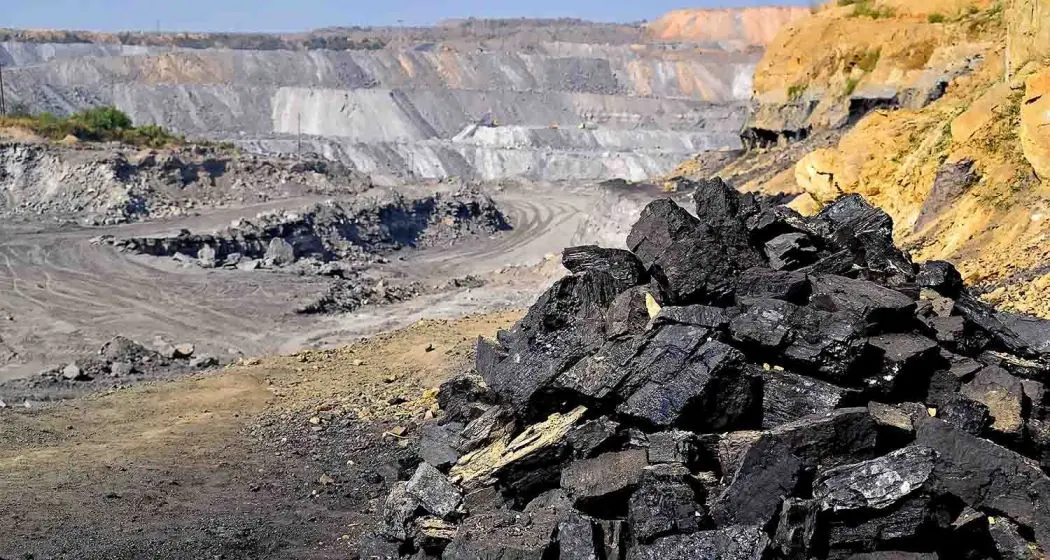
Coal remains a critical energy input for approximately 400 processing units clustered around Surat, where steam generation for dyeing and finishing operations depends on high-calorific imported coal from Indonesia and Australia. Over recent weeks, industry leaders report a 30–35 per cent increase in coal import prices, adding roughly ₹1,500–2,000 per tonne to raw material costs.Domestic processors say the cost shock stems from a combination of higher ocean freight rates, supply chain bottlenecks and tightening global coal markets, influenced by shipping disruptions and demand from East Asian buyers. With freight costs contributing to landed prices, processing pricing structures are being squeezed from both ends.The immediate response among processors has been to pass some of these additional costs onto contract buyers, increasing processing fees by up to ₹1.25 per metre of finished fabric. This pricing shift, while a short-term buffer for margins, risks dampening demand from downstream garment manufacturers and brand suppliers grappling with their own input cost pressures.

Urban development and industrial supply chain experts in Gujarat note that such cost inflation in essential utilities — like energy — can ripple through the wider manufacturing ecosystem. Surat’s textile cluster is not only a domestic supplier but also a significant exporter of processed fabrics; rising fuel costs may weigh on competitiveness in global markets, especially as logistical premiums have surged.For cities like Surat, where industrial clusters are tightly integrated with urban labour markets and ancillary services, volatility in production economics has direct socioeconomic impacts. Processing units employ a large workforce, much of it migrant, and cost-driven production slowdowns can result in reduced shifts, layoffs or deferred investment in technology upgrades that could improve energy efficiency and emissions performance.There are early signs that some processors may scale back operations or delay new bookings until cost pressures stabilise. Such contractions could affect the broader textile value chain — from weaving and dyeing to garmenting clusters — heightening uncertainty for suppliers who already operate on tight margins and just-in-time delivery models.

Energy and sustainability specialists say this moment also underscores the need for textile clusters to accelerate energy diversification, including better access to cleaner fuels and higher-efficiency technologies. Reducing dependence on imported fossil fuels would provide resilience against global market shocks and support climate-aligned urban industrial planning.As the sector confronts these dual pressures of price inflation and competitive stress, stakeholders are calling for coordinated action — including targeted freight support, energy policy interventions and investments in industrial decarbonisation — to shore up one of India’s most important manufacturing anchors.

Also Read: Bharat Coking Coal Strengthens Financial Leadership

Surat Textile Processors Struggle With Coal Costs
RELATED ARTICLES

LEAVE A REPLY

Please enter your comment!
Please enter your name here

- Advertisment -spot_img

Most Popular

Recent Comments

Asian Paints Links Paint Longevity To Homes

Asian Paints Links Paint Longevity To Homes

0
India’s largest decorative paints company has rolled out a new advertising campaign centred on colour durability, using emotional storytelling to position painted surfaces as...
JSW Steel POSCO Plan Reshapes Odisha Industry

JSW Steel POSCO Plan Reshapes Odisha Industry

0
A proposed partnership between two major steel producers to build a 6 million tonne per annum facility in Odisha marks another significant step in...
Ahmedabad Real Estate Faces Material Labour Strain

Ahmedabad Real Estate Faces Material Labour Strain

0
Ahmedabad’s construction landscape is witnessing a visible slowdown as developers confront a convergence of supply chain disruptions and workforce shortages, raising concerns about project...
Odisha Steel Industry Expansion Reshapes Eastern Growth

Odisha Steel Industry Expansion Reshapes Eastern Growth

0
Odisha is fast consolidating its position as a strategic centre for India’s metals economy, with policymakers and industry leaders aligning around a sharp increase...
NBCC Sarojini Nagar Project Raises Urban Land Questions

NBCC Sarojini Nagar Project Raises Urban Land Questions

0
A state-owned developer, NBCC, has secured the top bid for a large commercial tower in Sarojini Nagar, New Delhi, committing over ₹1,374 crore in...