HomeLatestONGC Tender Case Exposes Cement Cartel Practices

ONGC Tender Case Exposes Cement Cartel Practices

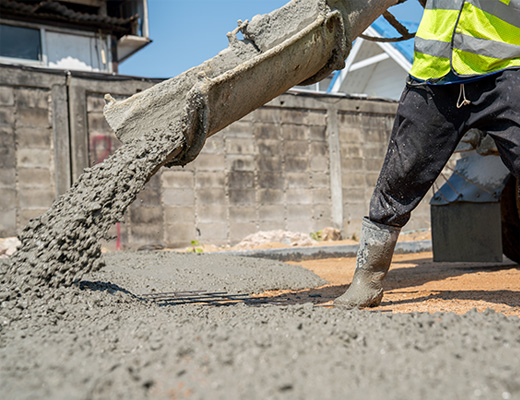
A long-running investigation into alleged collusion among cement manufacturers supplying industrial projects has exposed how pricing coordination may have influenced public procurement in India’s energy sector. The India cement cartel case centres on tenders issued by the country’s largest oil and gas producer, where identical price quotes triggered a competition inquiry that now threatens significant financial penalties and regulatory scrutiny across the construction materials industry.

The probe began after procurement officials reviewing oil-well cement tenders noticed something unusual: competing bids submitted by multiple suppliers listed the exact same price per tonne. The pattern appeared across several tenders, raising concerns that market competitors might have aligned their pricing rather than competing independently. Authorities subsequently referred the matter to the national competition watchdog, which opened a multi-year investigation into the suspected India cement cartel.Investigators reviewing tender records, communications and internal documents concluded that certain cement producers may have coordinated their bids over an extended period. Evidence examined during the inquiry included exchanges between company executives, meetings related to pricing strategies and shared calculations linked to delivery logistics and freight distances. These factors, according to the investigation, suggested a system designed to divide supply volumes and maintain uniform pricing rather than allow open competition.

The alleged cartel activity is believed to have taken place for more than a decade, primarily affecting the supply of specialised cement used in oil well operations. The findings indicate that rival companies may have aligned their offers in a way that distributed contract volumes between them while preventing aggressive price competition in tenders.Regulators are now assessing responses from the companies involved before issuing a final ruling. Under India’s competition law, firms found guilty of cartelisation could face penalties of up to three times the profits earned from the alleged misconduct or as much as 10 per cent of annual turnover for each year of violation.Industry observers say the case reflects a broader shift in regulatory attention toward domestic corporate behaviour in key industrial sectors. While competition authorities have recently investigated several multinational technology companies, enforcement actions in core infrastructure supply chains are gaining momentum as government procurement expands alongside major infrastructure and energy projects.

For India’s rapidly growing construction and infrastructure economy, the outcome of the India cement cartel investigation could carry implications far beyond one set of contracts. Cement remains a foundational input for housing, transport networks and energy infrastructure, and pricing transparency is essential to keeping public project costs predictable.

Urban development experts note that fair competition in building materials markets directly affects the affordability and sustainability of cities. As India accelerates investments in housing, transport corridors and climate-resilient infrastructure, regulators are under increasing pressure to ensure that supply chains for essential materials operate under transparent and competitive market conditions.

Also Read: Bhubaneswar Builder Moves Toward SME Market Listing

ONGC Tender Case Exposes Cement Cartel Practices
RELATED ARTICLES

LEAVE A REPLY

Please enter your comment!
Please enter your name here

- Advertisment -spot_img

Most Popular

Recent Comments

Vedanta Aluminium Output Hits Record as Restructuring Nears

Vedanta Aluminium Output Hits Record as Restructuring Nears

Vedanta closed FY26 with record aluminium and alumina production, strengthening its position in a metals market closely tied to India’s infrastructure, power and transport...

India Steel Consumption Signals Wider Urban Growth

India Steel Consumption Signals Wider Urban Growth

India’s steel consumption has nearly doubled over the past decade, reaching about 152 million tonnes in 2024-25 from 77 million tonnes in 2014-15. The...

Pune GCC Demand Reshapes Commercial Office Market

Pune GCC Demand Reshapes Commercial Office Market

Pune’s office market is increasingly being shaped by Global Capability Centres (GCCs), with multinational firms using the city for technology, engineering, financial and specialised...

Hyderabad Brigade Barcelona RERA Shapes Kokapet Housing

Hyderabad Brigade Barcelona RERA Shapes Kokapet Housing

Hyderabad’s western growth corridor is seeing another large residential addition as Brigade Barcelona, a luxury housing project in Kokapet’s Neopolis, moves ahead with Telangana...

Chandigarh RERA Enters Focus as Prime Homes Near Crores

Chandigarh RERA Enters Focus as Prime Homes Near Crores

Chandigarh’s prime residential market is entering a new price bracket, with registered transactions showing that well-located plots in established sectors can command tens of...