HomeLatestIndia Green Steel Trial Uses Rice Husk Fuel

India Green Steel Trial Uses Rice Husk Fuel

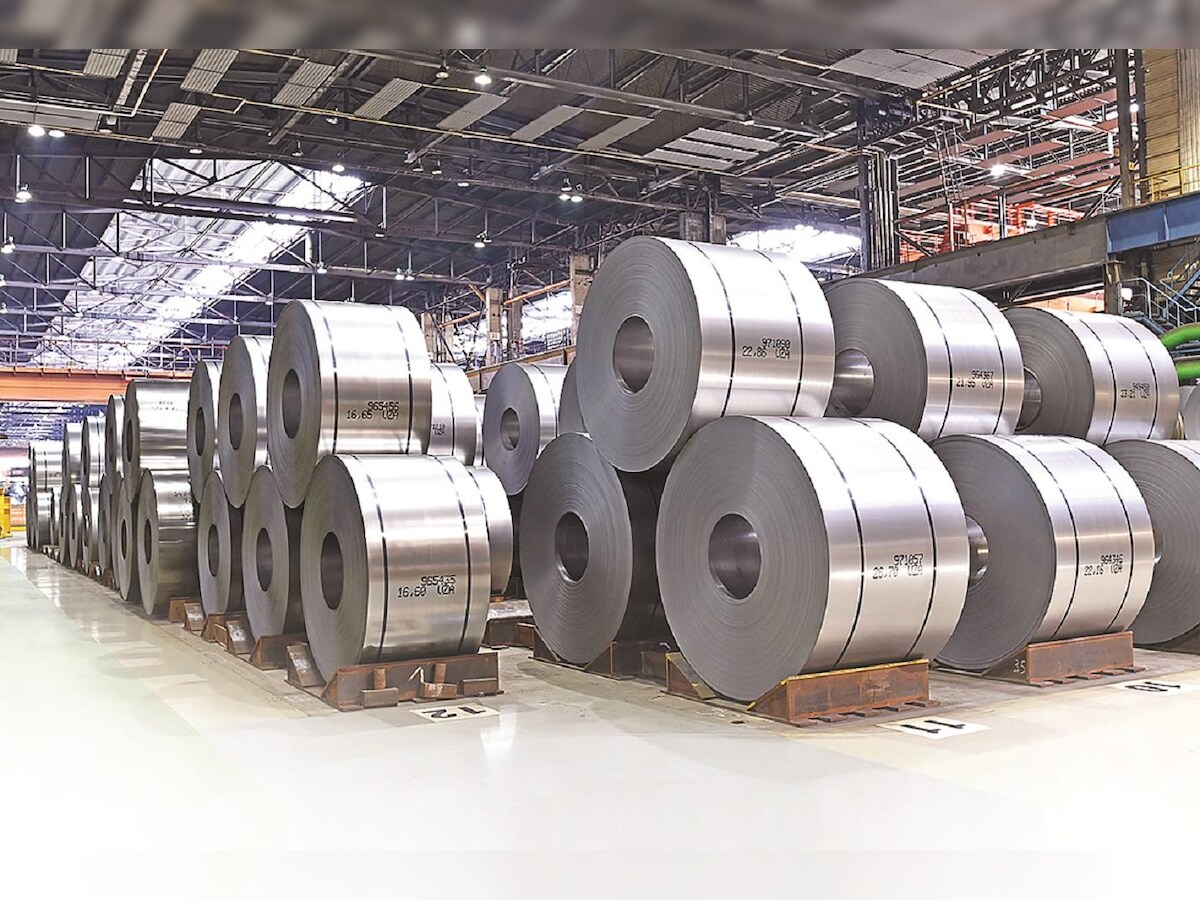
India’s steel industry is experimenting with new production methods that could significantly reduce its dependence on coal, as researchers and manufacturers test biomass-based technologies aimed at lowering industrial emissions. In a recent large-scale industrial trial, engineers successfully demonstrated a green steel trial in which rice husk pellets—an agricultural waste product—were used to partially replace coal in the steelmaking process.

The experiment was conducted through a collaboration between researchers from Australia’s national science agency and scientists from the Indian Institute of Science, working with a commercial steel production facility in eastern India. The initiative focused on generating synthesis gas used in iron ore reduction by blending rice husk biomass with conventional fossil fuels inside industrial gasifiers.During the trial, rice husk pellets derived from agricultural residue were mixed into the fuel stream at ratios of around five to ten per cent. According to researchers involved in the project, the gasifiers maintained stable production performance even with the partial substitution of coal. The results suggest that agricultural biomass can be integrated into existing steelmaking infrastructure without disrupting industrial operations.

The green steel trial reflects growing global pressure on the steel sector to cut carbon emissions. Steel manufacturing accounts for roughly a tenth of global carbon dioxide output, making it one of the most challenging industries to decarbonise. India’s rapidly expanding steel capacity adds urgency to the issue, as national production is projected to rise sharply over the coming decade.Industry analysts say biomass-based fuel substitution could offer a practical pathway for reducing emissions while avoiding the immediate need for entirely new production infrastructure. Unlike hydrogen-based steelmaking, which requires large investments in new technologies and renewable energy systems, biomass fuels can often be integrated into existing processes with relatively minor modifications.

The approach may also deliver economic benefits in agricultural regions. India produces large volumes of crop residue every year, including rice husks that are often treated as waste or burned in fields. Converting these residues into industrial fuel pellets could create new value chains linking rural biomass supply with heavy industry.Researchers estimate that widespread adoption of the technology across the country could dramatically lower emissions from the steel sector. If biomass substitution becomes a common practice in gasifier-based steelmaking plants, emissions reductions of up to half may be achievable in certain production systems.Urban infrastructure experts note that decarbonising steel production is critical for building climate-resilient cities. Steel is an essential material for transport systems, housing structures, renewable energy installations and industrial infrastructure. As urban construction accelerates, reducing the carbon footprint of these materials is becoming an important priority for governments and developers.

The next phase of research will focus on increasing the share of biomass fuel and evaluating long-term impacts on industrial efficiency. If the process proves commercially viable, India’s agricultural waste streams could become a key resource in transforming one of the world’s most carbon-intensive industries into a more sustainable foundation for future urban growth.

Also Read: India Summer Power Plan Boosts Coal

India Green Steel Trial Uses Rice Husk Fuel
RELATED ARTICLES

LEAVE A REPLY

Please enter your comment!
Please enter your name here

- Advertisment -spot_img

Most Popular

Recent Comments

Residency Hotels Targets Multi City Growth with ₹600 Crore South India Investment

Residency Hotels Targets Multi City Growth with ₹600 Crore South India Investment

A fresh ₹600 crore investment commitment toward hotel development across South India is set to strengthen the region’s hospitality infrastructure, reflecting growing confidence in...
Grand Continent Expands NCR Presence with 70 Key Hotel in Gurugram Commercial Hub

Grand Continent Expands NCR Presence with 70 Key Hotel in Gurugram Commercial Hub

Gurugram’s hospitality sector has added fresh accommodation capacity with the launch of a 70-key hotel by Grand Continent Hotels, reflecting sustained investor confidence in...
Vivanta Opens 160 Key Hotel in Vrindavan as Religious Tourism Demand Accelerates

Vivanta Opens 160 Key Hotel in Vrindavan as Religious Tourism Demand Accelerates

Vrindavan’s rapidly expanding tourism economy has received a further boost with the opening of a new branded hotel, reflecting growing investment in hospitality infrastructure...
IndiQube Leases 150000 Sq Ft in Chennai Office Market

IndiQube Leases 150000 Sq Ft in Chennai Office Market

Chennai’s commercial property market has recorded another significant office leasing transaction, with flexible workspace operator IndiQube securing approximately 150,000 square feet of space in...
Embassy Developments Awards ₹850 Crore Contract for Bengaluru Housing Project

Embassy Developments Awards ₹850 Crore Contract for Bengaluru Housing Project

A major residential development in Bengaluru has moved into its next execution phase after an ₹850 crore construction contract was awarded for a large-scale...