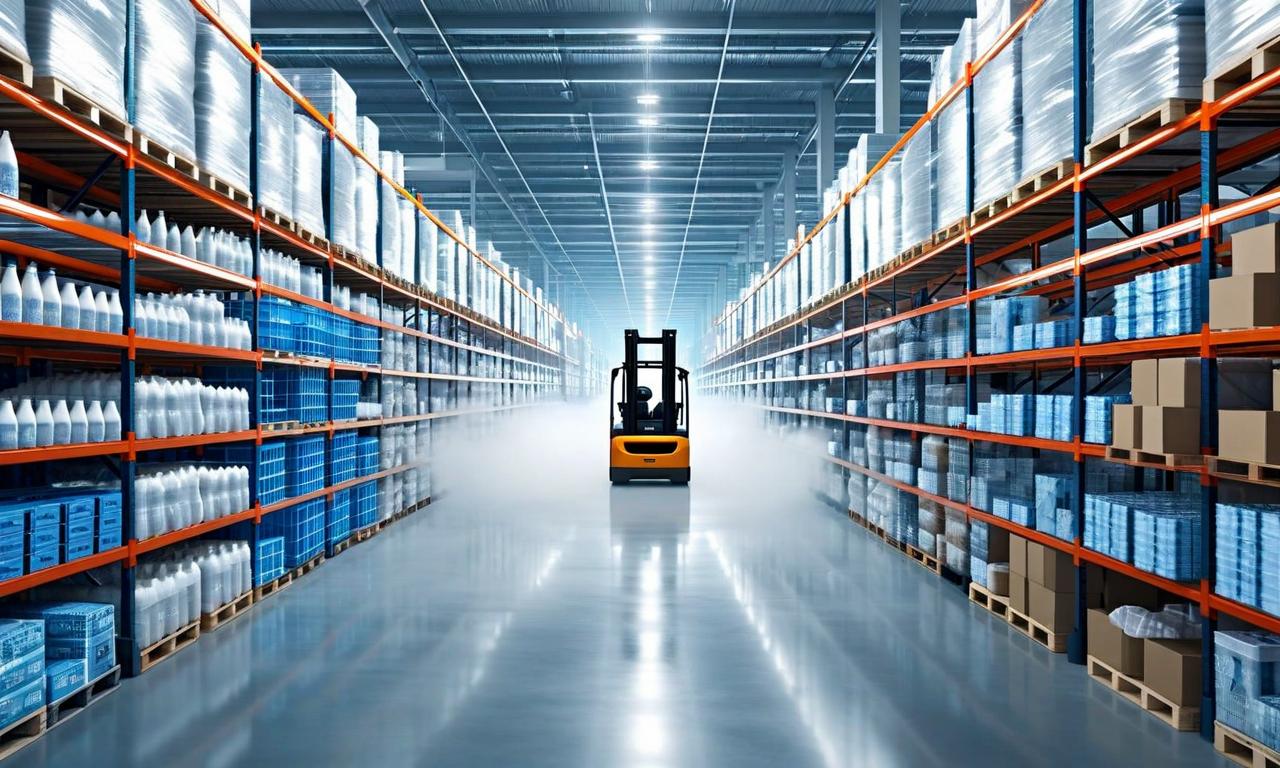
A new temperature-controlled logistics facility planned for Patna is set to expand eastern India’s cold storage capacity, signalling growing investment in food security, pharmaceutical supply chains and climate-sensitive logistics infrastructure. The project, expected to be operational in 2027, will add thousands of pallet positions designed to handle frozen and chilled products strengthening supply networks that connect agricultural producers, urban consumers and regional markets.
The Patna cold chain warehouse is being developed through a build-to-suit arrangement by a private developer for logistics operator Snowman Logistics Limited. Industry officials say the facility will accommodate roughly 6,500 pallets and maintain a wide temperature range suitable for products requiring strict cold-storage conditions, including frozen foods, dairy, seafood, fresh produce and pharmaceutical goods.
Logistics experts note that eastern India has historically lagged behind western and southern regions in cold-chain infrastructure. However, rapid urbanisation in cities such as Patna, improved highway connectivity, and the rise of organised food retail and quick-service restaurant supply networks are increasing demand for temperature-controlled storage and distribution. For Bihar’s agricultural economy, expanded cold storage can reduce post-harvest losses and stabilise farm incomes. The state produces significant volumes of fruits, vegetables and fisheries products, yet gaps in refrigeration and logistics have long limited the ability to move perishable goods efficiently to distant consumption centres. A modern Patna cold chain warehouse could therefore act as a consolidation and redistribution point for food shipments heading to neighbouring states across eastern and northern India.
Urban planners say the project also reflects a broader shift in logistics infrastructure planning, where warehousing hubs are increasingly positioned near emerging consumption clusters rather than only in major metros. This approach shortens supply chains, reduces transport inefficiencies and supports regional economic growth beyond traditional industrial corridors. Cold storage facilities also play an important role in resilient urban systems. Reliable temperature-controlled logistics enable year-round availability of essential goods, support vaccine distribution and help cities adapt to climate variability that can disrupt food production and transportation. When designed with energy-efficient refrigeration and sustainable building practices, such facilities can contribute to lower-carbon supply networks.
The Patna development will become part of the logistics firm’s expanding national network of refrigerated warehouses operating across major Indian cities. Together, these facilities form a critical backbone for sectors such as food processing, pharmaceuticals and organised retail industries increasingly dependent on uninterrupted cold-chain management. As eastern India’s urban population grows and consumer markets deepen, investments in temperature-controlled logistics are expected to accelerate. Projects like this signal how mid-sized cities are gradually emerging as strategic nodes in India’s evolving supply chains, linking agricultural hinterlands with rapidly expanding urban demand.
Patna Warehouse Signals Rise Of Cold Chains East