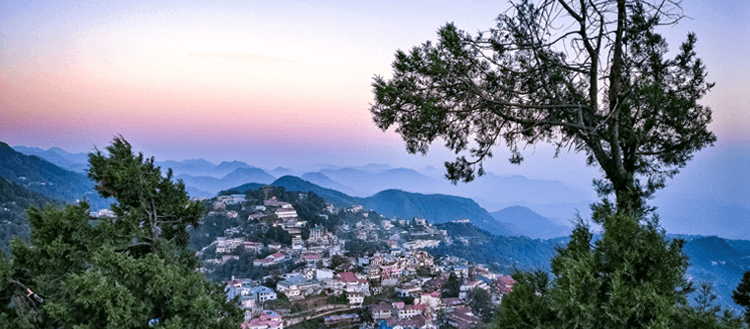
Mussoorie’s rapid urban expansion is drawing renewed judicial and regulatory scrutiny, as unchecked construction and rising tourist pressure threaten the ecological stability of the hill town in Uttarakhand. Authorities have been asked to respond to concerns over widespread violations of building norms, highlighting the growing risks posed by the Mussoorie real estate boom in one of India’s most environmentally sensitive regions.
The hill station, long valued for its natural landscape, has witnessed a sharp rise in both population and visitor numbers over the past decade. Improved road connectivity to nearby urban centres has accelerated this shift, turning Mussoorie into a high-demand real estate and hospitality market. However, urban planners caution that this surge has outpaced the town’s physical and environmental capacity. Available land suitable for construction remains extremely limited due to steep slopes and fragile geological conditions. Experts note that a majority of the terrain is unsuitable for heavy structures, yet multi-storey developments continue to emerge, often overlooking safety and environmental guidelines. Concerns are further amplified by past assessments indicating that a significant share of buildings may not withstand seismic events, a critical risk in a region prone to earthquakes.
The Mussoorie real estate boom is also intensifying pressure on infrastructure systems. Water supply, waste management, and road networks are struggling to cope with seasonal tourist inflows that far exceed the town’s baseline population. Traffic congestion has become a persistent issue, with vehicle numbers during peak periods far surpassing available parking capacity, disrupting both mobility and emergency response systems. Environmental degradation is another visible consequence. Reports of deforestation, hillside excavation, and improper disposal of construction debris point to gaps in enforcement. Urban development experts highlight that altering natural drainage patterns and reducing green cover can destabilise slopes, increasing the likelihood of landslides and ground subsidence risks already observed in similar Himalayan towns. Regulatory interventions, including restrictions on new construction and zoning measures, have been introduced over the years. Yet enforcement remains inconsistent, with officials acknowledging that unauthorised developments often resume even after action is taken. This raises broader questions about governance capacity in managing rapid urbanisation in ecologically fragile zones.
Urban policy specialists argue that Mussoorie’s challenges reflect a wider pattern across hill cities in India, where tourism-led growth is driving unsustainable land use. They emphasise the need for updated carrying capacity studies, stricter adherence to building norms, and integrated planning that prioritises environmental resilience alongside economic activity. As climate variability increases the vulnerability of mountainous regions, Mussoorie’s trajectory underscores the urgency of balancing development with ecological safeguards. Future interventions are likely to focus on decentralising tourism, strengthening regulatory oversight, and investing in sustainable infrastructure to ensure that growth does not come at the cost of long-term habitability.
Mussoorie Real Estate Boom Tests Hill Limits