HomeLatestIndia Home Textile Demand Signals Housing Shift

India Home Textile Demand Signals Housing Shift

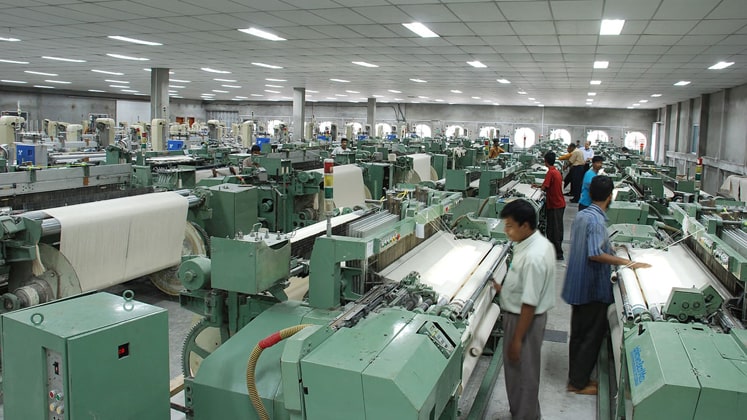
India’s home furnishing economy is set for steady expansion as rising urban incomes, housing upgrades and digital retail reshape how households buy everyday essentials. New market estimates project the India home textile market could reach US$16.76 billion by 2031, highlighting stronger demand for bedding, towels, curtains and upholstery products linked to changing city lifestyles.

Research data released this week estimates the India home textile market at US$11.91 billion in 2026, with growth forecast at a compound annual rate of just over 7 per cent through 2031. The category includes products used across homes, hotels, rental housing and institutional accommodation. The expansion matters because home textiles are closely tied to broader urban development trends. As new apartments are handed over, rental units change tenants and older homes undergo renovation, spending on linen, curtains and furnishings typically rises. That makes the sector a useful indicator of household confidence and mid-market consumption.Bed linen remains the largest product segment, accounting for more than half of sector demand, according to the research note. Cotton continues to dominate materials usage, although faster growth is expected in alternative fibres such as bamboo, hemp and blended fabrics as buyers seek durability and sustainability. For cities, the shift reflects how homes are changing. Smaller apartments and denser living patterns are increasing interest in functional products that combine comfort, storage efficiency and ease of maintenance. Consumers are also placing greater emphasis on aesthetics as homes become workspaces, leisure zones and hybrid living environments.

The India home textile market is also being reshaped by e-commerce. While offline retail remains dominant, online channels are projected to grow faster over the coming years as shoppers compare designs, prices and delivery timelines digitally. Tier-2 and Tier-3 cities are expected to contribute strongly as logistics networks improve and branded products become more accessible. Manufacturing opportunities are significant. India already has a strong textile base with cotton production, spinning and export capacity. If domestic demand rises alongside overseas orders, producers may accelerate investment in automated finishing, dyeing efficiency and recycled-fibre production.However, environmental pressures remain central. Conventional textile processing can be water and energy intensive. Industry specialists say future winners will likely be companies that adopt low-water dyeing, renewable energy use, circular fabric recovery and transparent sourcing systems. Sustainability is becoming a commercial issue rather than only a compliance one.The hospitality sector could also support demand. Growth in business travel, domestic tourism and serviced apartments usually boosts procurement of towels, bedding and room textiles. Combined with housing completions, that can create a diversified demand base less dependent on any single segment.

Still, inflation in cotton prices, imported chemicals and logistics can affect affordability for middle-income households. Brands that balance price, quality and durability may gain share as consumers become more value conscious.The outlook suggests India’s homes are becoming a bigger economic driver. As cities grow and households invest more in living quality, the India home textile market is moving from a background retail category to a visible part of the country’s urban consumption story.

Also Read: Mumbai Smart Homes Fuel Cinema Luxe Entry

India Home Textile Demand Signals Housing Shift
RELATED ARTICLES

LEAVE A REPLY

Please enter your comment!
Please enter your name here

- Advertisment -spot_img

Most Popular

Recent Comments

Mumbai Suburbs Offer Varied Options For Small Homes

Mumbai Suburbs Offer Varied Options For Small Homes

0
Mumbai’s housing market continues to be anchored by compact homes, with 1 BHK apartments forming a significant share of new supply across key micro-markets,...
India Real Estate Shifts Under RERA 2.0 Reforms

India Real Estate Shifts Under RERA 2.0 Reforms

0
India’s real estate sector is entering a stricter regulatory phase as reforms broadly described as RERA 2.0 begin to reshape how housing projects are...
Lodha Project Win Boosts Facade Sector Outlook

Lodha Project Win Boosts Facade Sector Outlook

0
A mid-sized building envelope contractor has secured a high-value assignment in Mumbai’s luxury housing corridor, underscoring the growing complexity and scale of façade engineering...
Mumbai Majaswadi Redevelopment Hits Fresh Hurdle

Mumbai Majaswadi Redevelopment Hits Fresh Hurdle

0
A long-delayed housing redevelopment in Jogeshwari’s Majaswadi locality has encountered a fresh impasse, as a small group of residents refusing to vacate their homes...
India Real Estate Land Acquisition Trends Shift

India Real Estate Land Acquisition Trends Shift

0
India’s real estate sector is showing early signs of recalibration, with land acquisition activity moderating slightly in the 2025–26 financial year. While developers continued...