HomeLatestMICL South Mumbai Projects Signal Dense Growth

MICL South Mumbai Projects Signal Dense Growth

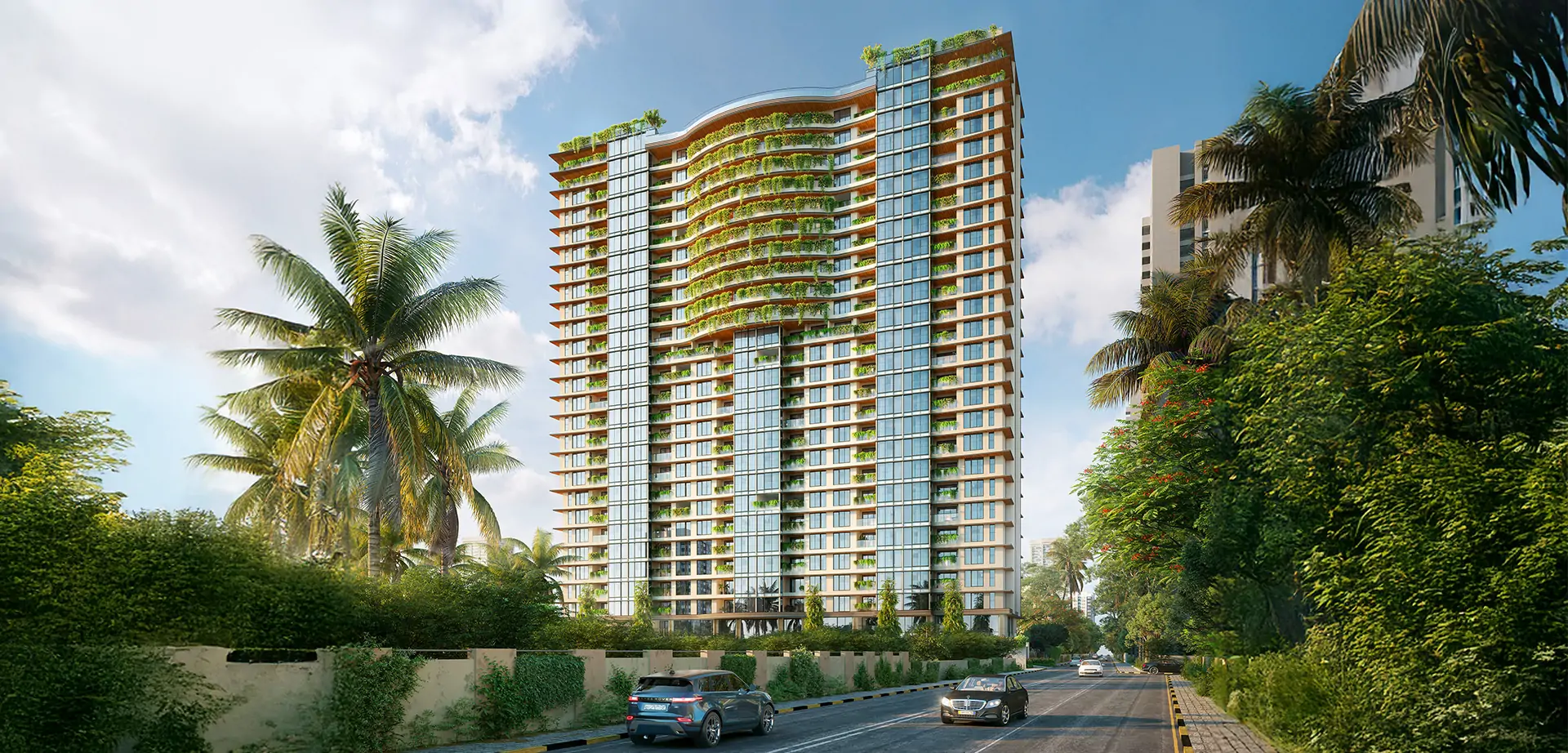
Mumbai’s ongoing wave of inner-city redevelopment has gathered pace after a major real estate-led acquisition in Tardeo added fresh momentum to South Mumbai’s high-value housing market. The transaction, centred on ageing cooperative housing societies and a legacy residential property, is expected to unlock new construction activity in one of the city’s most land-constrained districts while also intensifying debate around density, infrastructure capacity and equitable urban renewal.

The redevelopment move involves a cluster scheme in Tardeo under Development Control Regulation 33(9), a policy mechanism designed to consolidate older buildings and ageing housing stock for large-scale reconstruction. Industry estimates indicate that the proposed project could generate residential sales worth more than ₹2,000 crore over the next few years, reflecting continued investor appetite for premium addresses in South Mumbai despite rising construction costs and tightening regulatory oversight. Executives associated with the project said the redevelopment parcel spans roughly 46,000 square feet and forms part of a wider pipeline of high-end residential ventures across South Mumbai. The development rights have been secured through a combination of society agreements and property acquisition structures routed via a joint development entity in which the developer group holds a controlling stake.

Urban planners say projects of this scale are increasingly shaping Mumbai’s redevelopment economy, particularly in older neighbourhoods where deteriorating buildings, narrow access roads and ageing civic infrastructure have heightened pressure for reconstruction. However, experts caution that redevelopment in dense urban zones cannot rely solely on luxury-led housing demand without parallel investment in mobility systems, open spaces, drainage upgrades and social infrastructure. The Tardeo redevelopment project also highlights a larger shift underway in Mumbai’s real estate geography. With limited greenfield land available in the island city, developers are turning to cluster redevelopment models to aggregate fragmented plots and unlock larger buildable areas. While the model can accelerate housing renewal and improve structural safety, urban policy specialists warn that unchecked vertical expansion may deepen stress on water supply, traffic circulation and environmental resilience if planning controls fail to keep pace.Housing market analysts note that South Mumbai continues to attract capital from high-net-worth buyers seeking centrally located residences with access to commercial districts and coastal infrastructure projects.

Yet concerns remain around whether redevelopment-led growth adequately addresses broader housing affordability challenges in the city, where a significant share of residents continue to live in overcrowded or informal settlements.The South Mumbai redevelopment cycle is also being closely watched by financial institutions and municipal authorities because cluster schemes often require complex coordination between residents, developers and civic agencies. Delays linked to consent mechanisms, rehabilitation obligations and regulatory approvals have historically slowed execution timelines across several projects. As Mumbai intensifies efforts to renew ageing neighbourhoods, urban experts argue that future redevelopment frameworks must balance commercial viability with climate resilience, liveability and public infrastructure preparedness. The long-term success of cluster redevelopment projects may ultimately depend not only on sales performance, but on how effectively they contribute to a safer, more inclusive and environmentally sustainable urban core.

Also Read : Man Infraconstruction Plans Big Mumbai Housing Push
MICL South Mumbai Projects Signal Dense Growth
RELATED ARTICLES

LEAVE A REPLY

Please enter your comment!
Please enter your name here

- Advertisment -spot_img

Most Popular

Recent Comments

Godrej Properties Reduces Construction Footprint In Mumbai

Godrej Properties Reduces Construction Footprint In Mumbai

Mumbai’s high-density housing market is beginning to test how artificial intelligence can reshape construction efficiency without expanding the urban footprint. A recent optimisation exercise...
Chennai Real Estate Growth Defies National Slowdown

Chennai Real Estate Growth Defies National Slowdown

Chennai’s residential sector has entered 2026 with stronger momentum than several larger metropolitan markets, signalling a shift in how urban households are approaching home...
Ranchi Luxury Farmhouses Reflect Elite Land Shift

Ranchi Luxury Farmhouses Reflect Elite Land Shift

India’s luxury real estate market is witnessing a steady rise in demand for large-format farmhouses and private estates, with several high-profile sports personalities investing...
India Commercial Real Estate Draws New Investors

India Commercial Real Estate Draws New Investors

India’s investment landscape is witnessing a gradual shift as commercial real estate emerges as a preferred asset class among urban investors seeking stable income...
Mahim Housing Launch Highlights Urban Lifestyle Demand

Mahim Housing Launch Highlights Urban Lifestyle Demand

Mumbai’s premium housing market is continuing its southward expansion with a new high-rise residential project in Mahim, highlighting how developers are increasingly targeting established...