
HomeLatestIndia coal gasification push reshapes energy strategy

India coal gasification push reshapes energy strategy

India is accelerating its push towards coal gasification as part of a broader effort to secure energy supplies and reduce dependence on volatile global fuel markets. The shift reflects a strategic recalibration in how the country uses its abundant coal reserves, particularly as disruptions in global energy trade expose vulnerabilities in import-dependent sectors.

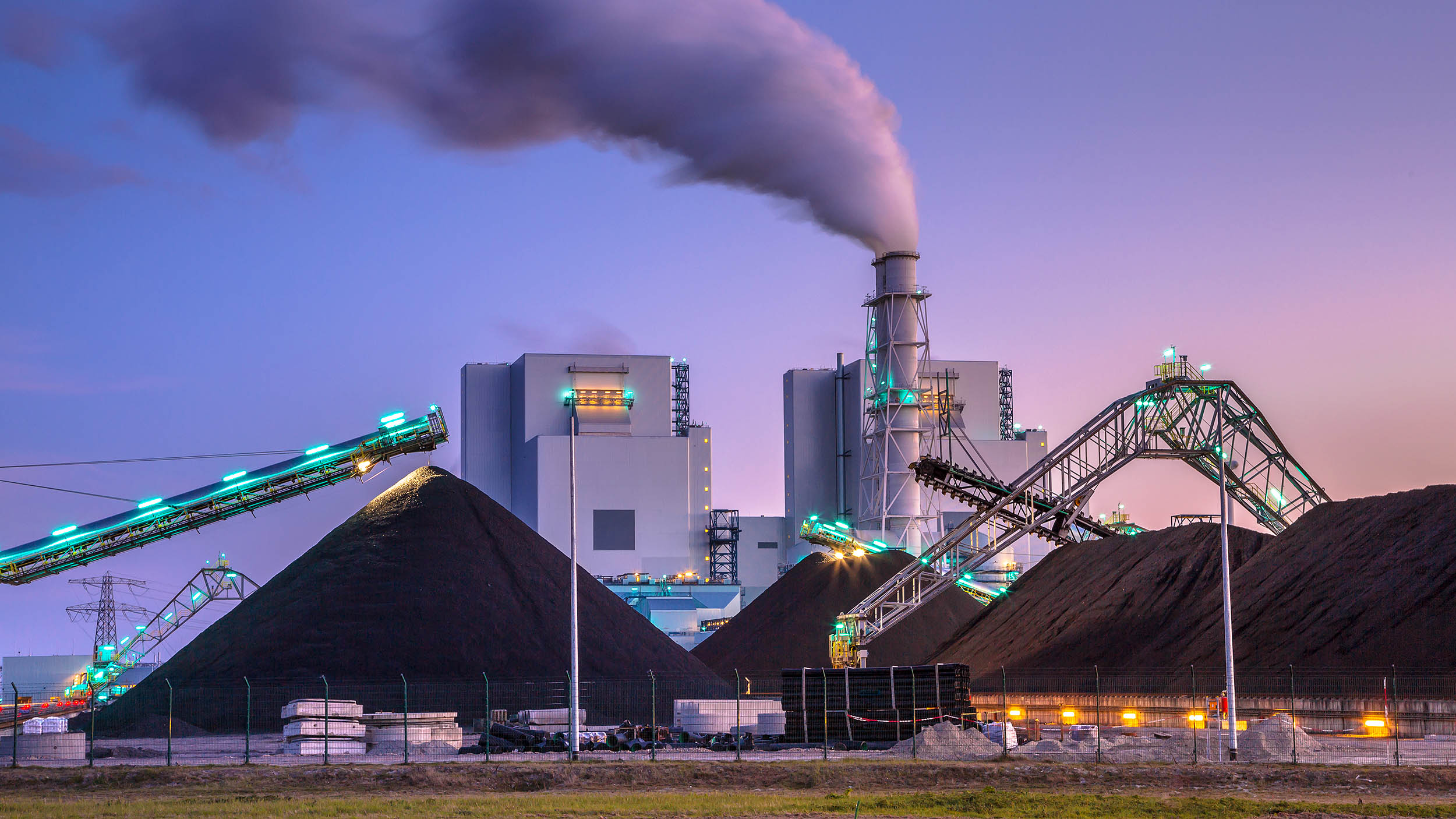
Coal gasification—a process that converts solid coal into a synthetic gas known as syngas—is emerging as a central pillar of this strategy. The gas can be used to produce fuels, fertilisers, and industrial chemicals, offering a more flexible and potentially cleaner alternative to direct coal combustion. At the policy level, the government has set an ambitious target of gasifying 100 million tonnes of coal by 2030, backed by financial incentives and regulatory reforms aimed at attracting both public and private investment. A dedicated incentive scheme worth ₹8,500 crore is already in place, with proposals to significantly scale up funding as part of a wider industrial transition strategy. The renewed focus is closely tied to India’s import dependence. The country relies heavily on external sources for crude oil, natural gas, and key industrial feedstocks such as methanol and fertilisers. Coal gasification offers a pathway to substitute these imports with domestically produced alternatives, improving energy security while supporting local manufacturing ecosystems. Recent developments indicate that the technology is moving beyond policy intent into implementation. For the first time, provisions for underground coal gasification have been incorporated into commercial mining agreements, allowing coal to be converted into gas directly within the seam without traditional extraction. This approach could unlock previously inaccessible reserves and reduce surface-level environmental disruption associated with mining.

From an urban and industrial perspective, the implications are significant. Syngas produced through gasification can support sectors such as steel, chemicals, and fertilisers—industries that underpin infrastructure development and urban expansion. By diversifying feedstock sources, cities may benefit from more stable input costs and reduced exposure to global supply shocks.However, the transition is not without challenges. Coal gasification, while cleaner than conventional coal burning, remains carbon-intensive and requires substantial investment in carbon capture and storage technologies to align with long-term climate goals. Environmental experts caution that scaling up such projects without robust safeguards could lock in fossil fuel dependency at a time when renewable energy adoption is accelerating.There are also economic considerations. Gasification projects are capital-intensive and technologically complex, requiring coordinated investments in infrastructure, water resources, and downstream industrial capacity. Ensuring viability will depend on sustained policy support, technological innovation, and market demand for gas-based products.For rapidly urbanising regions, the stakes are high. Reliable and affordable energy remains essential for housing, transport, and industrial growth. Coal gasification offers a transitional pathway—bridging current energy needs with future sustainability targets—but its long-term role will depend on how effectively it integrates with cleaner energy systems.

As India navigates global energy uncertainties, the emphasis on coal gasification signals a pragmatic approach: leveraging domestic resources to enhance resilience, while gradually reconfiguring the energy mix. The challenge ahead will be ensuring that this transition supports not just economic expansion, but also the creation of cleaner, more sustainable urban environments.

Also Read: India coal sector faces Coal India structural strain

India coal gasification push reshapes energy strategy
RELATED ARTICLES

LEAVE A REPLY

Please enter your comment!
Please enter your name here

- Advertisment -spot_img

Most Popular

Recent Comments

India Tier Two Housing Demand Reshapes Growth

India Tier Two Housing Demand Reshapes Growth

India’s smaller cities are emerging as the next major battleground for premium housing, as infrastructure-led growth reshapes residential demand beyond traditional metropolitan markets. Backed...
Sobha Sales Surge Signals Urban Housing Confidence

Sobha Sales Surge Signals Urban Housing Confidence

India’s premium housing market continued to show resilience in the final quarter of FY26, with Bengaluru-based real estate developer Sobha Limited reporting a sharp...
Telangana RERA Action Shields Homebuyers Rights

Telangana RERA Action Shields Homebuyers Rights

Telangana’s real estate regulator has ordered a Hyderabad-based housing developer to return ₹25 lakh to a homebuyer after finding that villas were sold in...
Pune Property Tax Changes Cut Delays

Pune Property Tax Changes Cut Delays

Pune’s civic administration has introduced a leaner property tax approval framework aimed at reducing delays that have long burdened homeowners seeking new assessments and...
Bengaluru Real Estate Shifts Beyond Affordable Housing

Bengaluru Real Estate Shifts Beyond Affordable Housing

Bengaluru’s residential market continues to post steady price growth, but the city’s housing pipeline is increasingly tilting toward premium apartments, raising concerns over long-term...