HomeBricks & MortarCementIndia Cement Industry Bets on Green Power

India Cement Industry Bets on Green Power

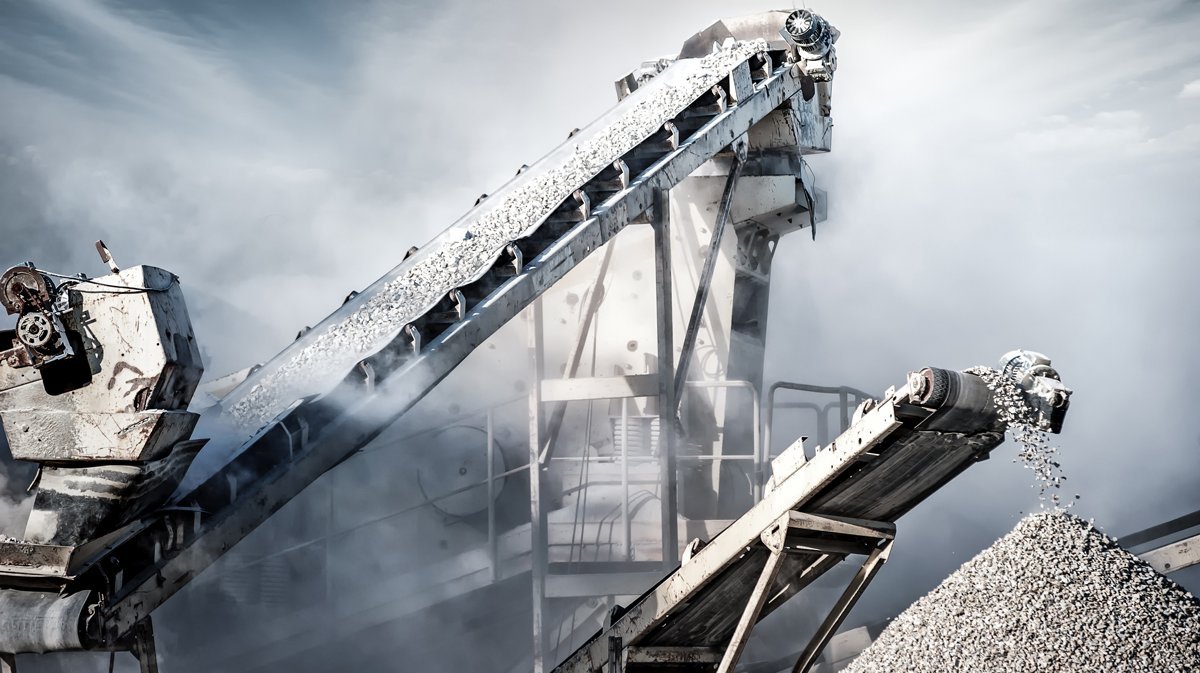
India’s cement manufacturers are accelerating investments in renewable energy infrastructure as rising fuel expenses and growing climate related obligations reshape the economics of one of the country’s most carbon-intensive industries.

The shift is emerging as a critical business response to mounting operational costs while supporting the broader transition toward lower-emission construction materials that increasingly influence urban development and infrastructure planning.Power and fuel account for a substantial share of cement production costs, making the sector highly vulnerable to fluctuations in coal, petroleum coke and electricity prices. Industry assessments over recent months have pointed to renewed pressure on profitability as global energy markets remain volatile, prompting producers to seek more predictable and locally generated power sources. Analysts have warned that elevated energy costs could erode operating margins across the sector despite continued demand from housing, transport and public infrastructure projects. Against this backdrop, renewable energy is moving from a sustainability initiative to a core operational strategy. Several large cement manufacturers have expanded the use of solar generation, wind power and waste heat recovery systems technologies that capture and reuse heat generated during manufacturing processes. Public disclosures indicate that companies are steadily increasing the proportion of electricity sourced from non-fossil fuel sources while building captive renewable assets near production facilities.

The implications extend beyond corporate balance sheets. Cement remains a foundational material for roads, rail networks, housing developments and urban infrastructure. As cities expand and governments pursue large-scale construction programmes, the carbon footprint of cement production has become a growing concern for planners, investors and environmental regulators. Experts note that reducing dependence on fossil fuels can help lower both emissions and long term production costs, potentially influencing the affordability and sustainability of future construction projects.Renewable Energy in Cement Manufacturing is also increasingly linked to risk management. By securing solar and other green power supplies through captive projects and long-term arrangements, manufacturers are attempting to shield themselves from sudden swings in fuel prices and grid tariffs. Industry observers say this strategy offers greater cost visibility at a time when competitive pressures and capacity additions are limiting the sector’s ability to pass higher expenses on to consumers.

The trend is evident across companies of varying sizes, from large integrated producers to regional manufacturers investing in dedicated solar projects and energy-efficiency upgrades. Recent announcements involving renewable power procurement, solar partnerships and waste heat recovery expansion suggest that energy transformation is becoming a defining feature of the industry’s next growth phase. As India pursues ambitious infrastructure goals alongside commitments to expand clean energy capacity, Renewable Energy in Cement Manufacturing is likely to play an increasingly important role in determining how future cities are built. The challenge ahead will be ensuring that decarbonisation efforts translate into measurable reductions in emissions while maintaining affordability and supply for a rapidly urbanising economy.

Also Read : Andhra Cements Merger Highlights Infrastructure Demand Shift
India Cement Industry Bets on Green Power
RELATED ARTICLES

LEAVE A REPLY

Please enter your comment!
Please enter your name here

- Advertisment -spot_img

Most Popular

Recent Comments

Shree Cement Sets July Results Discussion

Shree Cement Sets July Results Discussion

Shree Cement is set to present its financial performance for the first quarter of FY27 through an investor and analyst interaction on 31 July,...
India Fertiliser Imports Reinforce National Supply Security

India Fertiliser Imports Reinforce National Supply Security

India imported more than 3.2 million tonnes of fertilisers during the first quarter of FY27, while expanding overseas sourcing arrangements to safeguard supplies ahead...
India Chemical Sector Gains Strategic Government Support

India Chemical Sector Gains Strategic Government Support

The Union Cabinet has approved a ₹3,030 crore national programme to strengthen India’s chemicals sector, aiming to boost domestic manufacturing, reduce import dependence and...
India Specialty Chemicals Drive Industrial Innovation

India Specialty Chemicals Drive Industrial Innovation

India’s specialty chemicals sector is entering a new phase of expansion driven by investments in advanced manufacturing, research and production capacity, as companies respond...
India Metal Recycling Drives Sustainable Manufacturing

India Metal Recycling Drives Sustainable Manufacturing

India’s next phase of growth in the metals sector is expected to rely increasingly on recycling rather than fresh mineral extraction, reflecting a broader...