India Residential Market Sustains Robust Buyer Momentum
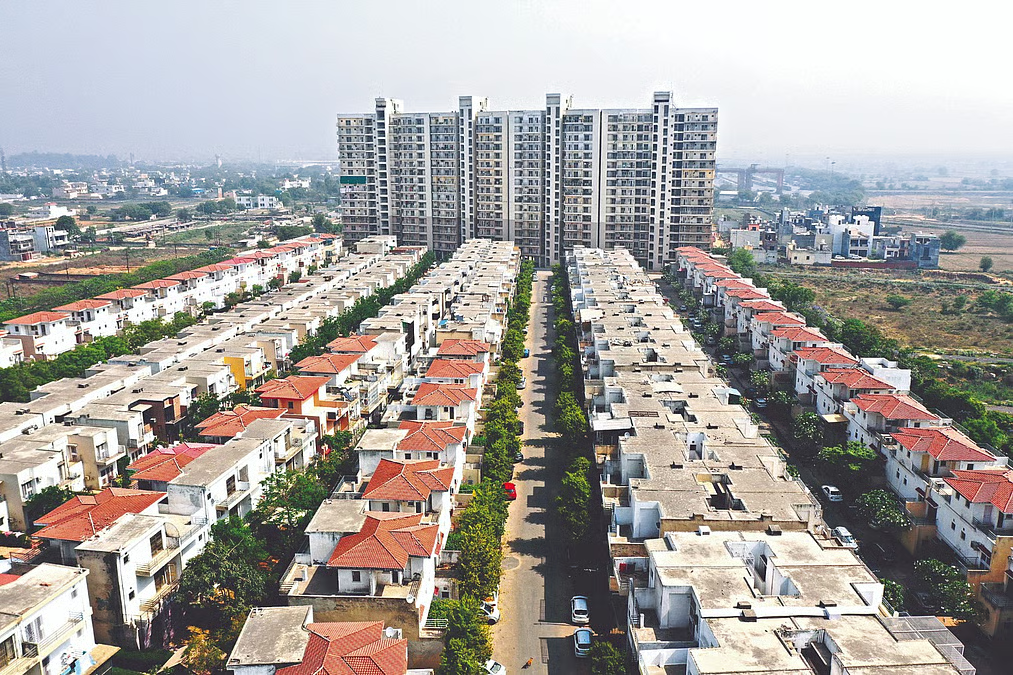
India’s organised housing market has entered the new financial year on a firm footing, with one of the country’s leading listed residential developers reporting a sharp rise in quarterly sales bookings. The performance points to continued resilience in homebuyer demand despite elevated property prices and financing costs, while highlighting the importance of supply quality, infrastructure connectivity and sustainable urban planning in shaping future housing growth.
Public disclosures for the April–June quarter show that the developer recorded sales bookings of ₹3,656 crore, representing a year-on-year increase of approximately 76 per cent. The strong quarterly performance reflects sustained demand across key metropolitan markets, where completed infrastructure projects, expanding employment centres and improved urban connectivity continue to influence residential purchasing decisions. Market analysts say the latest figures reinforce a broader trend in India’s organised residential sector, where established developers are gaining market share as buyers increasingly prioritise timely project delivery, regulatory compliance and construction quality. This shift has strengthened confidence in larger developers while encouraging greater transparency across the housing market.
The continued strength in housing demand also suggests that residential property remains an attractive long-term asset for many households despite higher borrowing costs. Experts attribute this resilience to rising disposable incomes, steady urban migration and improving employment prospects in technology, financial services and manufacturing hubs. At the same time, they caution that affordability remains a growing concern for middle-income buyers, particularly in major metropolitan regions where land prices have risen significantly. Urban planners argue that sustained market momentum should be matched by investment in supporting civic infrastructure. New residential development requires parallel improvements in public transport, water supply, sewage networks, waste management and social infrastructure to ensure neighbourhoods remain liveable as population density increases. Without such investment, rapid housing expansion risks placing additional pressure on already constrained urban systems. The latest market data also reflects changing buyer preferences. Homebuyers are increasingly seeking projects that offer energy-efficient buildings, green open spaces, better ventilation and access to essential services within integrated communities. These preferences are encouraging developers to adopt more sustainable planning approaches that reduce operational costs while improving long-term environmental performance.
Industry observers believe the current phase of housing demand is healthier than earlier property cycles because it is supported by stronger regulatory oversight, improved financial discipline and greater end-user participation rather than speculative investment. Continued implementation of real estate regulations has enhanced project transparency, while stricter lending practices have encouraged more balanced market growth. Looking ahead, analysts expect residential sales to remain supported by infrastructure expansion across major cities, provided inflation and borrowing costs remain stable. However, they emphasise that future growth should prioritise affordability, climate resilience and efficient urban design alongside commercial performance. As India’s cities continue to expand, the strength of the housing sector will increasingly be measured not only by sales volumes but also by its ability to deliver inclusive, resource-efficient and well-connected communities that support long-term economic development and improve everyday urban living.