HomeBricks & MortarUltraTech Green Energy Expansion Signals Industry Change

UltraTech Green Energy Expansion Signals Industry Change

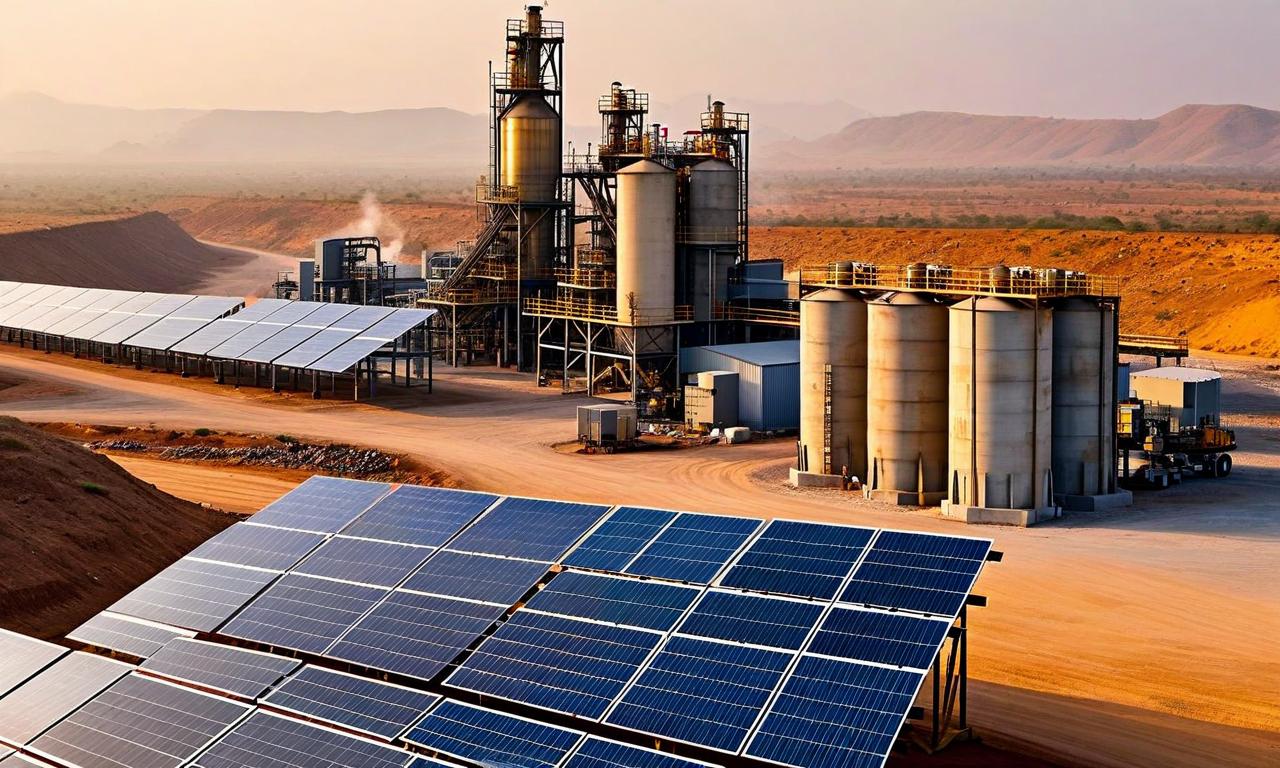
UltraTech Cement has taken its captive green energy capacity beyond 2 GW, with renewable power and waste heat recovery now supplying about 48% of its electricity needs. The shift is significant for India’s energy-intensive construction materials sector, where cleaner power can reduce exposure to fossil-fuel volatility while lowering the carbon burden linked to expanding urban infrastructure.

The company commissioned 116.55 MW of wind capacity at an inter-state transmission system-connected wind-solar hybrid project in Barmer, Rajasthan, and added 10 MW of waste heat recovery capacity at Sarlanagar Cement Works in Karnataka. Its total green energy capacity has consequently reached 2,024 MW, comprising 1,580 MW of renewable energy and 444 MW of waste heat recovery.  The scale matters because cement manufacturing remains among the more energy-intensive parts of the construction economy. As India’s cities add housing, transport networks, commercial space and utilities, rising cement demand can translate into greater electricity consumption and emissions unless production becomes progressively more efficient.

Green energy capacity therefore has implications beyond a company’s operating costs. Waste heat recovery converts heat generated during manufacturing into usable electricity, while wind and solar generation can reduce dependence on conventional power sources. Battery storage is also being introduced to help manage fluctuations in renewable generation and improve supply reliability.  UltraTech added 430 MW of green energy capacity during FY26. In FY27 so far, nearly one-third of its 76 manufacturing units have reportedly sourced more than half of their electricity requirements from green energy, while five units have crossed 95%. These figures indicate that green energy capacity is increasingly being integrated into day-to-day industrial operations rather than treated solely as an offsetting measure. 

The company has also said it has avoided fresh investment in captive thermal power capacity for more than a decade. Its next target is to raise green energy’s share of its total power mix to 85% by 2030, followed by a commitment to source all electricity from renewables by 2050 under RE100.  For India’s urban expansion, the bigger test will be whether cleaner industrial power keeps pace with demand for cement, steel and other construction materials. A faster transition can help limit the environmental cost of new infrastructure, but renewable capacity, storage, transmission and efficient manufacturing will all need to expand alongside the country’s built environment.

Also Read : India Steel Market Faces Costlier Construction Inputs
UltraTech Green Energy Expansion Signals Industry Change
RELATED ARTICLES

LEAVE A REPLY

Please enter your comment!
Please enter your name here

- Advertisment -spot_img

Most Popular

Recent Comments

JSW Dulux Targets Premium Homes As Demand Shifts

JSW Dulux Targets Premium Homes As Demand Shifts

JSW Dulux has launched a new national campaign for Dulux Velvet Touch Eterna as competition intensifies in India’s premium decorative paints segment. The move...

Berger Paints Board Gains New Strategic Oversight

Berger Paints Board Gains New Strategic Oversight

Berger Paints has secured shareholder approval for two board appointments, giving its manufacturing leadership and corporate strategy functions greater representation for the next five...
Rajasthan Gains New Cement Capacity As JSW Expands

Rajasthan Gains New Cement Capacity As JSW Expands

JSW Cement has commissioned an additional 1 MTPA grinding unit at Nagaur, Rajasthan, taking its installed grinding capacity to 25.1 MTPA. The expansion strengthens...
Mumbai Luxury Rentals Add Momentum To Prime Housing

Mumbai Luxury Rentals Add Momentum To Prime Housing

Mumbai’s high-end rental market is gaining another data point as actor Shakti Kapoor and his daughter Shraddha Kapoor have leased a 1,050 sq ft...

Delhi NCR High Streets Reshape Retail Demand

Delhi NCR High Streets Reshape Retail Demand

India’s retail property market is giving renewed importance to Delhi NCR high streets, as retailers seek visible locations and consumers favour convenient, accessible shopping....