Home Blog Page 413

Slum-Free Panchkula Promise Unfulfilled as Unsanitary Conditions Persist

    0
    Slum-Free Panchkula Promise Unfulfilled as Unsanitary Conditions Persist
    Slum-Free Panchkula Promise Unfulfilled as Unsanitary Conditions Persist

    Slum-Free Panchkula Promise Unfulfilled as Unsanitary Conditions Persist

    The promise of a ‘slum-free Panchkula’ remains a distant dream for its residents. Successive governments have vowed to tackle slum conditions, yet the reality on the ground tells a different story. While authorities continue to announce surveys and make plans, no concrete action has been taken to resolve the issues faced by those living in these slum areas.

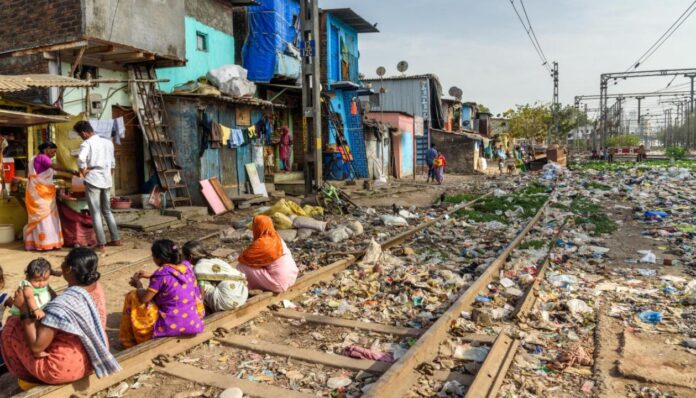
    The slum areas of Panchkula, especially around Mansa Devi Complex, Kharak Mangoli, Gandhi Colony, Indira Colony, and Rajiv Colony, are marked by severe unsanitary conditions. Residents living near these pockets of deprivation face daily challenges caused by dirty drains, stagnant water, and open defecation. One of the most concerning issues is the foul odour from open sewage, which is exacerbated by the presence of stray animals, including pigs, cattle, and dogs.

    As Savita, a resident of Rajiv Colony, describes, “We are living a hell-like life. During the rains, water from this dirty drain enters our homes. We’ve repeatedly requested the authorities to at least build a wall around the drain and provide basic amenities.” Many of these colonies have been without a proper sewerage system for years, with the situation worsening during monsoon seasons when water enters the homes of residents.

    Usha Rani, the councillor for Ward 7, which includes some of the most neglected colonies, expressed her frustration: “These colonies have been here since 1984, but governments come and go without rehabilitating us. There was a survey conducted in 1994-95 by HUDA (Haryana Urban Development Authority), identifying 2,756 households for one marla plots, but nothing happened. Even schemes in 2009-10 promised flats for us, but we are still waiting for the completion of these promises.”

    Despite some progress, such as the allocation of flats for 7,600 slum dwellers in four ‘Ashiana complexes’ in different sectors of Panchkula, many residents still face issues. Leaking roofs and buildings in desperate need of repairs highlight the incomplete rehabilitation process. Mohit Gupta, founder of the citizen initiative Solution Box, also points out the additional social issues arising from the presence of slum areas, such as crime and substance abuse. “The authorities need to ensure that the families who received flats actually leave the slums. Proper rehabilitation is necessary,” he added. Relocation has been a contentious issue as well. In the past, authorities proposed moving slum dwellers to Kharak Mangoli village, but the residents rejected this idea, insisting on staying within the city, where they work in the homes of Panchkula’s more affluent residents.

    Local leaders have also weighed in on the issue. MLA Chandermohan acknowledges the challenges of relocating slum dwellers to distant villages, given that many of them depend on city jobs. He stressed that a solution is urgently needed, as this issue was also promised in the Congress party manifesto. Meanwhile, former BJP MLA Gian Chand Gupta, citing an HSVP (Haryana Shehri Vikas Pradhikaran) meeting, claimed that the work to provide housing for the slum residents is in the final stages, with plans for shelter in Kharak Mangoli expected to materialise soon. Despite these claims, surveys for many of the colonies have been completed, but no definitive action plan has been put in place yet. This leaves residents uncertain and frustrated as they continue to live in unhygienic and unsafe conditions, far from the clean, developed Panchkula that was promised to them. The issue of slum rehabilitation in Panchkula is a stark reminder of the disconnect between government promises and their actual implementation. While Panchkula may have earned accolades for its planned sectors and clean image, the plight of its slum dwellers remains unresolved. Until the authorities take real action, the dream of a ‘slum-free Panchkula’ will remain just that – a promise unfulfilled.


    Over 141 Acres Allocated for Pharma Park in Naya Raipur to Boost Healthcare and Economy

      0
      Over 141 Acres Allocated for Pharma Park in Naya Raipur to Boost Healthcare and Economy
      Over 141 Acres Allocated for Pharma Park in Naya Raipur to Boost Healthcare and Economy

      Over 141 Acres Allocated for Pharma Park in Naya Raipur to Boost Healthcare and Economy

      Chhattisgarh as a leading pharmaceutical hub in central India, the state government has allocated over 141 acres of land in Sector-22 of Naya Raipur for the development of a pharmaceutical park. This initiative, led by the Naya Raipur Atal Nagar Development Authority, marks a significant move to foster research, innovation, and investment in the growing pharmaceutical sector. The Chhattisgarh State Industrial Development Corporation (CSIDC) has received the land allocation, and the development of this park is expected to have far-reaching impacts on the state’s healthcare services and economic growth.

      Chhattisgarh’s push to improve healthcare access and its infrastructure aligns with the state’s vision to become a prominent player in the pharmaceutical industry. The project is set to create a strong base for pharmaceutical units, with a particular focus on Ayush (alternative medicine) products. The state government sees this as a critical part of its broader efforts to improve health services for its citizens and attract both domestic and international investments. The pharmaceutical park will be equipped with state-of-the-art infrastructure, including a flatted factory complex and a common effluent treatment plant (CETP). This modern facility will support research and development centres, as well as testing laboratories, essential for fostering innovation and ensuring the quality of products manufactured within the park. The park will not only contribute to the domestic supply of healthcare products but is also poised to meet the increasing demand for pharmaceutical products in global markets.

      The Chhattisgarh government has been proactive in implementing policies that attract investment in the pharmaceutical sector. Under the new industrial policy (2024-30), the state offers substantial incentives for pharmaceutical industries. These include a 100% investment promotion for large-scale enterprises, reimbursement of up to 100% of net SGST paid for 12 years from the start of production, and capital investment grants. The grants offered to investors depend on the scale of their investment: Rs 60 crore for investments between Rs 50-200 crore, Rs 150 crore for investments between Rs 200-500 crore, and Rs 300 crore for investments exceeding Rs 500 crore. These generous incentives are aimed at making the pharmaceutical park in Naya Raipur an attractive destination for both Indian and international pharmaceutical companies. The state government has also introduced additional benefits, such as a 12-year exemption on electricity charges, stamp duty waivers, and a 50% reimbursement on registration fees and electricity connection charges.

      Beyond economic benefits, the establishment of this park also aims to create significant employment opportunities for local youth, contributing to the state’s economic development. The government spokesperson highlighted that the state is already making strides in healthcare accessibility, with over 77 lakh families benefiting from free treatment under the Shaheed Veer Narayan Singh Ayushman Health Scheme. This initiative aims to expand the coverage to Rs 10 lakh per family in the near future, further enhancing healthcare accessibility. Chhattisgarh’s push to develop this pharmaceutical park underscores its commitment to strengthening its healthcare infrastructure and becoming a key player in the pharmaceutical industry. By offering a conducive environment for investment, innovation, and employment, the state is setting the stage for future growth in both the healthcare and industrial sectors.

      Premium Living on the Rise in India by 2025

        0
        Premium Living on the Rise in India by 2025
        Premium Living on the Rise in India by 2025

        Premium Living on the Rise in India by 2025

        India’s luxury real estate market is poised for significant growth in 2025, as the sector continues to experience a paradigm shift towards premiumisation. With high-net-worth individuals (HNIs) and non-resident Indians (NRIs) playing a pivotal role, the demand for larger, more luxurious homes has surged. This demand is not just for spaciousness, but for homes that provide a holistic lifestyle experience—where luxury is defined by exclusivity, top-tier amenities, and a commitment to long-term value. As India’s urbanisation accelerates, the luxury real estate market has adapted to meet the evolving needs of affluent buyers, positioning itself as a global contender in the real estate sector.

        In 2024, luxury real estate in India reached a significant milestone, driven by the increasing aspirations of HNIs and NRIs who are looking for more than just large homes. According to Pradeep Aggarwal, the Founder & Chairman of Signature Global, “The residential real estate sector in India surged, supported by urbanisation and shifting lifestyles, with the luxury market receiving a significant boost from these high-end buyers.” Cities like Gurugram, Mumbai, and Bengaluru have emerged as hotspots for luxury living, where properties offer exclusive addresses, state-of-the-art amenities, and unmatched convenience. The rising demand for luxury homes has expanded the market to cater to those who see their homes as an extension of their identity, rather than just a place to live.

        The evolution of the luxury real estate market in India is defined by a shift in buyer expectations. Gone are the days when luxury was merely about spacious homes in prime locations. Today, it is about a complete lifestyle that integrates wellness, convenience, and smart living. Developers are responding to these needs by offering homes with advanced features such as smart home systems, eco-friendly designs, and concierge services. Manoj Gaur, CMD of Gaurs Group and Chairman of CREDAI National, states that luxury homes have transformed into “expressions of identity and ambition” rather than just symbols of wealth. This new direction reflects a more sophisticated approach to luxury living, where residents can enjoy a superior quality of life, while also aligning with the demands of modern-day sensibilities.

        As the demand for luxury homes continues to rise, developers are looking toward 2025 and beyond with plans to meet the evolving needs of the market. Convenience is emerging as the new luxury, with homebuyers increasingly seeking spaces that offer seamless living experiences. The integration of technology into homes, such as automated systems for security and energy management, is becoming a priority for developers. Yukti Nagpal, Director at Gulshan Group, notes, “Convenience is the new luxury—buyers are seeking effortless living that integrates with their fast-paced, modern lifestyles.” With the rise of technology-driven solutions, luxury homes are becoming smarter, more sustainable, and more attuned to the needs of the modern family.

        Sustainability remains a central theme as developers look to align luxury with environmental consciousness. As urban spaces continue to expand, there is a growing emphasis on eco-friendly building materials, energy-efficient designs, and sustainable landscaping. Real estate companies, recognising the increasing importance of green living, are incorporating sustainability into the core of their luxury projects. The use of solar panels, rainwater harvesting, and energy-efficient systems in residential complexes are now standard offerings in many luxury developments. In a market that is increasingly driven by an environmentally-conscious generation of buyers, offering green spaces, smart homes, and sustainable designs is not only a competitive advantage but also a necessity. As the demand for luxury homes in India continues to grow, the focus on sustainability will help shape the future of the country’s luxury real estate sector, making it a key player in both the national and global markets.

        Trichy Real Estate Emerging High-Rises and Commercial Hubs

        Trichy Real Estate Emerging High-Rises and Commercial Hubs
        Trichy Real Estate Emerging High-Rises and Commercial Hubs

        Trichy Real Estate Emerging High-Rises and Commercial Hubs

        The landscape of Trichy’s real estate sector has undergone a dramatic transformation over the past 25 years, evolving from a predominantly horizontal cityscape dominated by independent houses and plotted developments to one now increasingly defined by vertical expansion and bustling commercial hubs. Once a city where sprawling independent homes and plotted developments prevailed, Trichy has witnessed the emergence of high-rise apartments, gated communities, and new-age commercial districts. This shift reflects changing housing preferences, as well as an expanding commercial footprint, that mirror the city’s increasing urbanisation and aspirations.

        Until the early 2000s, Trichy’s residential scene was largely shaped by individuals purchasing plots of land to construct independent homes. The trend towards apartment living began to take root in the late 2000s, with small-scale apartment complexes featuring 8 to 16 units gradually gaining popularity. Many of these early adopters were retired professionals from sectors such as BHEL and the railways, who sought the safety, security, and low-maintenance benefits of apartment living. This preference for apartment-style living has only intensified in the past decade. Key neighbourhoods such as Srirangam, Thillai Nagar, and Cantonment saw a growing number of high-rise buildings emerging, including developments by the Tamil Nadu Housing Board (TNHB) and private builders. Today, these areas are home to luxury residential projects, with 3 BHK apartments in demand post-COVID, as more professionals now work remotely from home.

        The expansion in Trichy’s commercial real estate sector has mirrored this residential transformation. Traditionally, the commercial heart of the city was centred around Rockfort, Teppakulam, and NSB Road. However, new commercial corridors, including Thillai Nagar, Sastri Road, Karur Bypass Road, and Kattur, have risen to prominence. These emerging areas now house international clothing brands, multiplexes, and a range of dining options, expanding the city’s commercial reach beyond the traditional centre. The rental market for commercial spaces has surged, with prices in some areas now approaching those seen in Chennai. As businesses in Trichy grow, demand for office space has intensified, with coworking spaces becoming increasingly popular among tech entrepreneurs and startups that have flourished post-COVID. This demand highlights the city’s growing reputation as a business hub.

        Alongside these developments, there has been a notable shift in land use within Trichy. In the early 2000s, much of the city’s residential growth was focused on areas like Thillai Nagar and Srirangam, with Non-Resident Indians (NRIs) being key players in investing in plots due to lower land prices. However, over the past 15 years, new pockets of development have emerged in areas like Vayalur Road, Thiruverumbur, and No. 1 Tollgate. These expansions have been catalysed by the proximity to influential institutions such as BHEL, NIT, private medical colleges, and the city’s airport. The creation of Trichy Corporation’s integrated bus terminus, TIDEL Park, and future developments like the Olympic Academy are expected to further fuel real estate growth, opening up new avenues for investment.

        Sustainability has also become an important theme in this evolving urban landscape. As the city continues to grow, it is crucial for real estate developers and the government to incorporate sustainable urban planning practices into their projects. This includes promoting energy-efficient designs in high-rise buildings, integrating green spaces into residential complexes, and ensuring effective waste management systems in newly developed commercial zones. The rise of commercial real estate, coupled with expanding residential areas, presents an opportunity for the city to balance growth with sustainability. As Trichy adapts to the demands of a growing population, the need for responsible, environmentally-conscious development becomes all the more pressing. With more developments expected, integrating sustainability into every facet of growth will ensure that the city remains not just a hub of economic activity, but also a model for sustainable urban living.

        New Corridors Drive Bengaluru’s 2024 Land Deal Frenzy

        New Corridors Drive Bengaluru’s 2024 Land Deal Frenzy
        New Corridors Drive Bengaluru’s 2024 Land Deal Frenzy

        New Corridors Drive Bengaluru’s 2024 Land Deal Frenzy

        BENGALURU: The Bengaluru real estate market is witnessing a surge in land deals, driven by the city’s rapid infrastructural development and its growing status as a global tech hub. The city has seen a flurry of high-profile land acquisitions in 2024, particularly in emerging neighbourhoods close to key IT corridors. The surge in demand for both residential and commercial spaces is reflective of Bengaluru’s ongoing transformation into a bustling metropolis, attracting multinational corporations (MNCs) and startups alike.

        One of the standout land deals in 2024 occurred in July, when Bengaluru-based real estate giant Puravankara Ltd acquired a 7.26-acre plot in the rapidly developing Hebbagodi suburb. The project, which is set to cost over ₹900 crore, will feature a luxury residential development with a saleable area of approximately 7.5 lakh square feet. Located just 5 km from Electronic City, one of Bengaluru’s major IT hubs, this acquisition reflects the increasing demand for premium housing in proximity to key commercial areas. Another notable acquisition took place in April 2024, when Sumadhura Group, a prominent real estate developer in South India, purchased 40 acres of land in Bengaluru for around ₹800 crore. This acquisition will contribute to a residential project pipeline worth up to ₹6,000 crore, catering to the growing housing demand in the city. The land parcels, strategically located in Bengaluru’s emerging East and South-West corridors, will play a pivotal role in the developer’s expansion plans. Sumadhura Group’s land bank now spans 100 acres across Bengaluru and Hyderabad, reinforcing its commitment to meeting the rising residential demand in the region.

        Emerald Haven Realty Ltd, another key player in the Bengaluru real estate market, secured a 4-acre plot in Thanisandra, North Bengaluru, in September 2024. The land, valued at ₹600 crore, will be developed into a residential project with an estimated saleable area of 500,000 square feet. Thanisandra, located in close proximity to the Kempegowda International Airport, NH44, and the Outer Ring Road, is one of Bengaluru’s fastest-growing corridors. With robust connectivity to major infrastructural hubs, the area is poised for further development, making it an attractive location for both residential and commercial projects. In October, Prestige Group made a significant acquisition in the eastern IT hub of Whitefield, purchasing 17.45 acres of land for ₹462 crore. The planned development will span 2.68 million square feet, catering to the growing residential demand in one of Bengaluru’s most established tech corridors. Whitefield, already a prominent area for IT and commercial properties, continues to see heightened interest from developers, and this acquisition further solidifies Prestige Group’s foothold in the city’s real estate landscape.

        According to a report by property consultancy CBRE, Bengaluru accounted for 22% of all land transactions across six major cities in India during the first nine months of 2024. This places it second only to Delhi-NCR, which led the land deal activity with a 32% share. Other cities like Mumbai and Chennai followed with 12% and 10% shares, respectively. Collectively, these four cities contributed to 75% of total land deal volumes in India during the period. A key driver of the current land deal activity in Bengaluru is the development of new infrastructure corridors. The city’s expanding metro network, upgraded roads, and improved connectivity to key industrial hubs are making previously underdeveloped areas more accessible to both commercial and residential developers. Moreover, the ongoing development of smart cities and economic zones is attracting investment, not only from domestic developers but also from global players looking to tap into Bengaluru’s growing tech ecosystem. As infrastructure development accelerates, land acquisition in emerging areas of Bengaluru is expected to remain strong in the coming years. This shift towards developing suburban areas is creating new opportunities for real estate developers and investors seeking to capitalise on the city’s expanding urban footprint.

        Future Trends in PTFE Ram Extruded Pipes Market for 2030

        Future Trends in PTFE Ram Extruded Pipes Market for 2030
        Future Trends in PTFE Ram Extruded Pipes Market for 2030

        Future Trends in PTFE Ram Extruded Pipes Market for 2030

        The PTFE (Polytetrafluoroethylene) Ram Extruded Pipes Market is undergoing a transformation driven by evolving technological advancements, shifting consumer demands, and increasing industrial applications. This market is poised for growth as industries ranging from chemicals to electronics look for more reliable, durable, and high-performance solutions. This report provides a detailed analysis of the current trends and future projections for the PTFE Ram Extruded Pipes Market, offering insights that are invaluable to manufacturers, suppliers, distributors, and investors looking to navigate and capitalize on this rapidly expanding sector.

        The growth of the PTFE ram extruded pipes market can be attributed to several factors. Primarily, PTFE’s unique properties, such as chemical resistance, non-reactivity, and high thermal stability, make it an ideal material for a range of industries, including chemical processing, food and beverage, pharmaceuticals, and electronics. As industries increasingly demand solutions that can withstand extreme conditions, PTFE’s versatility is driving demand for PTFE ram extruded pipes across global markets.

        Another driving factor is the technological advancements in extrusion processes that have improved the efficiency and cost-effectiveness of manufacturing PTFE ram extruded pipes. These innovations enable the production of more complex designs and higher-quality products, which enhances the material’s appeal in industries requiring high-performance pipes, such as those in fluid handling, corrosive environments, and high-temperature settings. Additionally, the increasing adoption of sustainable practices in manufacturing processes is pushing companies to consider environmentally friendly alternatives. PTFE, known for its durability and long lifespan, aligns well with the demand for sustainable materials, making it a preferred choice for various applications.

        While the PTFE ram extruded pipes market is set for growth, it also faces several challenges. One of the key hurdles is the high production cost of PTFE, which can limit its widespread adoption in some industries, particularly those with more cost-sensitive operations. Manufacturers in the market must explore ways to reduce production costs without compromising product quality, making process optimization a critical focus for key players. Additionally, the market is highly competitive, with a number of regional and global players vying for market share. Manufacturers are increasingly focusing on innovative product development, offering customized PTFE solutions to meet the evolving needs of end-users. Companies that can leverage advancements in extrusion technology, along with sustainable and cost-effective production methods, will hold a competitive edge in the market.

        The global market for PTFE ram extruded pipes is witnessing strong growth across various regions. North America and Europe have been dominant players, driven by the presence of well-established industrial sectors, especially in chemicals and pharmaceuticals. However, emerging markets in Asia-Pacific, particularly China and India, are increasingly becoming significant contributors to the market’s growth due to rapid industrialization, increased manufacturing activities, and the demand for high-quality piping solutions. In Asia-Pacific, expanding chemical and petrochemical industries are fueling the demand for PTFE pipes, while Latin America and Middle East & Africa are showing potential growth, primarily due to the demand for PTFE pipes in oil, gas, and chemical sectors.

        The PTFE ram extruded pipes market is segmented based on application, end-use industry, and region. Key applications include fluid handling, chemical processing, electronics, and pharmaceuticals. Within these segments, chemical processing remains the largest contributor to the market, as PTFE’s excellent chemical resistance is crucial for the transportation of aggressive chemicals. The market also sees significant growth in the electronics and semiconductor industries, where PTFE pipes are increasingly used in applications requiring high-purity and non-reactive materials. Pharmaceuticals is another rapidly growing segment, with PTFE pipes being used in sterile fluid handling systems due to their non-contaminating nature. Looking towards 2030, the PTFE ram extruded pipes market is expected to see continued growth, driven by rising demand for high-performance materials across various industries. The expansion of the electronics sector and the growing need for sustainable infrastructure will further accelerate the adoption of PTFE pipes. Technological innovation, such as the development of more cost-effective extrusion methods and the increasing use of recycled PTFE, will likely play a key role in shaping the market’s future. As global supply chains stabilize and demand for industrial-grade materials continues to rise, the PTFE ram extruded pipes market is set to flourish.

        Hong Kong Home Prices Show Modest Increase in November 2024 After Steep Decline

          0
          Hong Kong Home Prices Show Modest Increase in November 2024 After Steep Decline
          Hong Kong Home Prices Show Modest Increase in November 2024 After Steep Decline

          Hong Kong Home Prices Show Modest Increase in November 2024 After Steep Decline

          Hong Kong’s property market showed slight signs of recovery in November 2024, with home prices edging up by 0.07% compared to the previous month. This modest increase follows a revised 0.9% rise in October, marking the first price increase in five months. However, despite this uptick, prices have fallen significantly by approximately 30% from their peak in 2021, driven by a combination of high mortgage rates, a weak market outlook, and an outflow of professionals.

          Hong Kong is notorious for having one of the most unaffordable housing markets in the world. While the small uptick in home prices may appear promising, the broader trend has been one of decline, with the territory’s real estate market still grappling with high mortgage rates and the effects of global economic factors, particularly the ongoing trade tensions between China and the United States.

          For most of 2024, the Hong Kong government has introduced several measures aimed at stabilizing the property market. These measures included lifting property purchase restrictions and relaxing down payment ratios in an attempt to encourage demand. However, these interventions have had limited success, with demand remaining soft, especially in the secondary property market. Private home prices in Hong Kong have dropped 6.6% this year alone, a continuation of the downward trend that started in 2022. The combination of global interest rate hikes and concerns about the broader economy has made it difficult for many buyers to enter the market, leading to a lack of upward pressure on prices. Looking ahead, real estate experts have varying predictions for the Hong Kong property market in 2025. Some forecasts suggest that home prices could drop further by up to 5%, while others predict a modest 5% rise, depending on how factors such as interest rates and geopolitical tensions evolve in the coming months.

          A key factor influencing these predictions is the potential for additional interest rate cuts. This month, major banks in Hong Kong, including HSBC and the Bank of China (Hong Kong), lowered their best lending rates by 25 basis points. These cuts were in response to actions by the U.S. Federal Reserve, which has been adjusting rates in light of global economic conditions. As Hong Kong’s currency is pegged to the U.S. dollar, these rate decisions are often aligned with Federal Reserve moves, but local banks also consider their funding costs when making such adjustments. Despite the recent interest rate cuts, the outlook for Hong Kong’s property market remains uncertain. Many analysts are watching the ongoing trade relations between China and the U.S., as well as domestic factors such as job growth and migration patterns, which could further influence the market’s trajectory. hile the slight rise in home prices in November 2024 offers a glimmer of hope for Hong Kong’s property market, significant challenges remain. Buyers and sellers are likely to continue facing a volatile market in 2025, as both local economic conditions and global factors will continue to shape the city’s real estate landscape.

          Ambuja Cements Unveils 200 MW Solar Project in Gujarat

          Ambuja Cements Unveils 200 MW Solar Project in Gujarat
          Ambuja Cements Unveils 200 MW Solar Project in Gujarat

          Ambuja Cements Unveils 200 MW Solar Project in Gujarat

          Ambuja Cements, a subsidiary of the Adani Group, has successfully commissioned its 200 MW solar power project in Khavda, Gujarat, marking a significant milestone in the company’s sustainable energy initiatives. This solar plant, which is now operational, is a crucial part of Ambuja’s larger goal to decarbonize its operations and reduce its carbon footprint, aligning with the broader vision of the Adani Group to transition towards more sustainable business practices.

          The 200 MW capacity is the first phase of Ambuja’s ambitious 1 GW renewable energy project, which aims to meet a substantial portion of the company’s power needs through clean energy. With this initial phase now live, the company is set to save approximately 70% on its current power costs, significantly reducing its dependence on conventional energy sources and bolstering its commitment to sustainability. Ajay Kapur, CEO of Cement Business at Adani Group, emphasized that the commissioning of the 200 MW solar plant is only the first step towards Ambuja’s long-term renewable energy goals. He stated, “This is the first phase of our 1 GW renewable power project in our efforts to decarbonize the value chain. We aim to power 60% of our total energy consumption from green power sources by FY28.”

          The larger 1 GW renewable power initiative also includes additional phases of wind and solar power generation. Specifically, 156 MW of wind power from Khavda and an additional 300 MW of solar power from Rajasthan are scheduled to be commissioned by March 2025. The remaining 350 MW of solar power will be brought online by June 2025, further cementing Ambuja Cements’ position as a leader in adopting renewable energy within the cement industry. The project has already received the necessary clearance from the Western Regional Load Dispatch Centre (WRLDC), with the approval effective from December 12, 2024. This step allows for the seamless integration of the generated power into the grid.

          With a planned investment of Rs 10,000 crore, Ambuja Cements’ renewable energy initiatives will not only reduce the company’s carbon emissions but also provide a reliable and cost-effective energy supply, allowing it to meet its operational needs while contributing to the global transition towards sustainable energy. The ultimate aim is for 60% of Ambuja’s total energy consumption to come from green power sources by the financial year 2027-2028. The focus on green power sources such as solar, wind, and Waste Heat Recovery Systems (WHRS) underscores Ambuja Cements’ broader commitment to environmental responsibility, as the company seeks to drive a more sustainable future for the cement industry.

          Telangana Government Mandates GPS Coordinates for Agricultural Property Registrations to Combat Land Fraud

            0
            Telangana Government Mandates GPS Coordinates for Agricultural Property Registrations to Combat Land Fraud
            Telangana Government Mandates GPS Coordinates for Agricultural Property Registrations to Combat Land Fraud

            Telangana Government Mandates GPS Coordinates for Agricultural Property Registrations to Combat Land Fraud

            The Telangana government is taking decisive steps to address the growing concerns around double registrations and fraudulent land sales in the state. The government has proposed making land coordinates mandatory for agricultural property registrations, a move that aligns with the digital survey and mapping provisions under the Bhu Bharathi (Right of Records) Act. This Act, which replaced the previous RoR (Records of Rights) Act in 2020, aims to streamline land records and enhance transparency in property dealings.

            In recent years, complaints related to fraudulent land transactions have surged, with unscrupulous individuals exploiting loopholes in the land registration system. Among the most concerning practices is the masking or falsifying of survey numbers to facilitate double registrations or even the sale of government land. This malpractice has not only led to financial losses for landowners but has also contributed to a growing lack of trust in the land registration system.

            To curb these issues, the Telangana government has proposed a new measure that will require agricultural properties to include precise GPS coordinates—longitude and latitude—during the registration process. This will help create a robust system to track land ownership and prevent the manipulation of land records. By integrating GPS data into the registration process, the state aims to ensure that each land parcel is accurately identified and mapped, reducing the chances of fraudulent activity.

            This initiative follows the provisions outlined in the Bhu Bharathi Act, which mandates the inclusion of a rough land map alongside property registrations under sections 5 and 7. These maps detail the boundaries and extent of non-agricultural properties and are critical for property mutation processes. In line with the new regulations, the government is now moving forward with the integration of GPS coordinates to further validate land records.

            M Sunil Kumar, a land law expert and member of the Dharani Committee, explained that this GPS-based registration system, which has been in practice in states like Karnataka for over a decade, will be implemented with the help of licensed surveyors. Telangana currently has around 1,000 licensed surveyors, but the state government plans to double this number to ensure effective implementation.

            In addition to this, the Telangana government is working on new rules under the Bhu Bharathi Act, which will be implemented through official notifications. These rules will ensure that the updated maps, including new sub-division details (e.g., 1/2, 1/3, when a land parcel is divided), are reflected in the official land records. This provision is expected to resolve the confusion that often arises when land is sold in pieces, ensuring clarity for buyers and sellers alike.

            To further clarify land ownership and division, the state is also implementing a comprehensive land survey and re-survey program under Section 4 of the Act. This survey will be conducted across every village in Telangana, in accordance with the Telangana Survey and Boundaries Act, 1923, and the Telangana Land Revenue Act, 1907. The state government plans to seek financial assistance from the Centre for this ambitious survey project. Sunil Kumar pointed out that the Andhra Pradesh government had already covered around 2,000 villages under its land re-survey initiative, providing a useful precedent for Telangana.

            Moreover, the Telangana government intends to assign a unique Bhu Dhar number to each land parcel to improve identification and traceability. This system will also introduce new passbooks with barcodes, which will help combat the problem of fake passbooks that are often used in fraudulent land transactions.These comprehensive measures aim to make land registration more transparent, secure, and efficient, thus reducing the potential for fraudulent activities and ensuring the integrity of land records in the state. By combining modern technology with regulatory reforms, Telangana is taking a significant step towards creating a more reliable and trustworthy land registration system, ultimately benefiting property owners and investors alike.

            Malkangiri to Get Rs 4,000 Crore Cement Factory

            Malkangiri to Get Rs 4,000 Crore Cement Factory
            Malkangiri to Get Rs 4,000 Crore Cement Factory

            Malkangiri to Get Rs 4,000 Crore Cement Factory

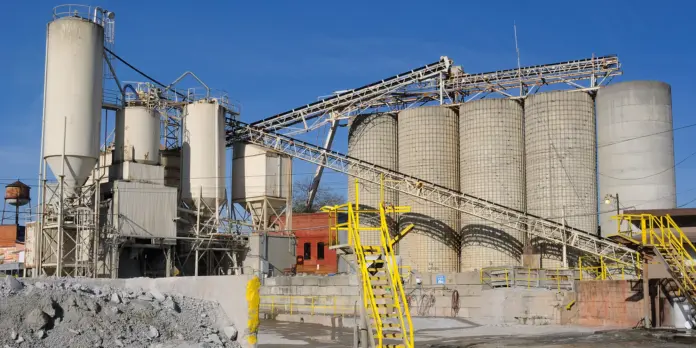
            In a significant move aimed at boosting local employment and regional development, Odisha Chief Minister Mohan Charan Majhi recently revealed plans to establish a mega cement factory in the tribal-dominated Malkangiri district. The proposed project, with an estimated investment of Rs 4,000 crore, will be a major step towards employment generation and industrial growth in the region. The factory is expected to create around 2,000 jobs, providing a much-needed boost to the local economy.

            The announcement was made during the second day of the Chief Minister’s visit to Malkangiri, where he chaired a crucial review meeting with district officials. Attendees included Nityanand Gand, Minister for Social Security and Empowerment of the Disabled, Balabhadra Majhi, MP from Nabarangpur, Narasinh Madakami, MLA of Malkangiri, Mangu Khil, MLA from Chitrakonda, and other local administrative heads. The CM underscored the importance of the cement plant as a catalyst for broader economic development in the region. He emphasized that the Rs 4,000 crore investment would not only create employment but also contribute significantly to local infrastructure growth, thereby improving the living standards of the tribal communities in Malkangiri.

            In addition to the cement factory, Mohan Charan Majhi directed officials to prioritise the execution of key development projects. These include the improvement of railway infrastructure, the expansion of national highways, road networks, and rural development initiatives. A key focus was placed on the Scheduled Tribes and Scheduled Castes Development department’s ongoing and upcoming welfare schemes, aimed at upliftment and providing better socio-economic conditions to marginalized communities. A particularly important area of concern for the CM was the education system. He stressed the urgency of appointing at least two teachers in each school across Malkangiri, particularly in the cut-off areas. He also highlighted the importance of the Jeevan Jeevika Mission, an initiative designed to bring the district on par with the leading districts of Odisha in terms of development metrics.

            The Chief Minister’s directions are set to ensure that the various projects are reviewed on a bi-weekly basis, with a clear focus on accelerating development, particularly in remote and underdeveloped regions of Malkangiri. This ambitious development plan signals a new chapter for Malkangiri, with the promise of industrial, educational, and infrastructural advancements that will likely have a far-reaching impact on the lives of the people in this historically underdeveloped region.