Home Blog Page 434

Noida Administration Discusses Lift Maintenance Costs with Manufacturers After New Act Implementation

0
Noida Administration Discusses Lift Maintenance Costs with Manufacturers After New Act Implementation

Noida Administration Discusses Lift Maintenance Costs with Manufacturers After New Act Implementation

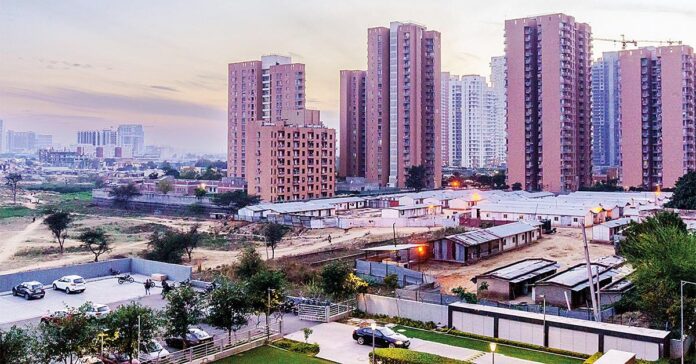
The Noida district administration recently held a meeting with lift manufacturers and makers to discuss concerns related to the increased maintenance costs following the implementation of the UP Lift and Escalator Act, 2024. This new legislation requires lift manufacturers to provide maintenance services for the lifts they install, a move that has sparked concerns among residents due to the substantial hike in maintenance fees.

Under the new regulations, the cost for an annual maintenance contract (AMC) for lifts has surged, with prices ranging from Rs 10,000 to Rs 50,000 depending on the type of lift. Many residents have expressed dissatisfaction, alleging that manufacturers are using the mandatory maintenance requirement to inflate their prices. The significant rise in maintenance costs has raised fears that lift makers could gain monopoly power, allowing them to set unreasonable prices for essential services.

In response to these concerns, the Additional District Magistrate (ADM) for Finance and Revenue, Atul Kumar, assured that the administration would seek to find a middle ground that balances the need for proper lift maintenance and repair with the residents’ concerns about escalating costs. The officials indicated that while they would not fix a set maintenance rate, they would encourage lift manufacturers to keep prices reasonable for housing societies, preventing exploitation.

The district administration has also planned a review of the compliance of lift agencies with the new act’s guidelines. One of the key measures will involve requesting lift agencies to provide a comprehensive list of all lifts installed in Noida, along with their locations. This move will help ensure proper registration of lifts and that manufacturers comply with the required maintenance standards, potentially ensuring better oversight and transparency in pricing.

Rajiva Singh, a representative of the Noida Federation of Apartment Owners’ Associations, echoed residents’ concerns, acknowledging the benefits of mandatory maintenance, such as ensuring safety and the use of original parts. However, Singh also warned of the dangers of monopolistic practices that might arise due to the lack of competition, which could force housing societies to accept inflated prices for maintenance services. Singh highlighted the importance of maintaining a competitive environment to prevent residents from being exploited by high maintenance charges.

As the implementation of the UP Lift and Escalator Act moves forward, the Noida administration is expected to continue monitoring the situation closely. The goal is to find a solution that benefits both lift manufacturers and residents. Ensuring the safety and upkeep of lifts is critical, but it is equally important that these services remain affordable for the residents who rely on them. The administration’s efforts to address these concerns and maintain a fair pricing system will be crucial in ensuring that the implementation of the new law does not result in unreasonable financial burdens for the citizens of Noida.
Welspun One Plans Rs 4,000 Crore Fundraise and Launches WTC Thane for Logistics Growth

    0
    Welspun One Plans Rs 4,000 Crore Fundraise and Launches WTC Thane for Logistics Growth
    Welspun One Plans Rs 4,000 Crore Fundraise and Launches WTC Thane for Logistics Growth

    Welspun One Plans Rs 4,000 Crore Fundraise and Launches WTC Thane for Logistics Growth

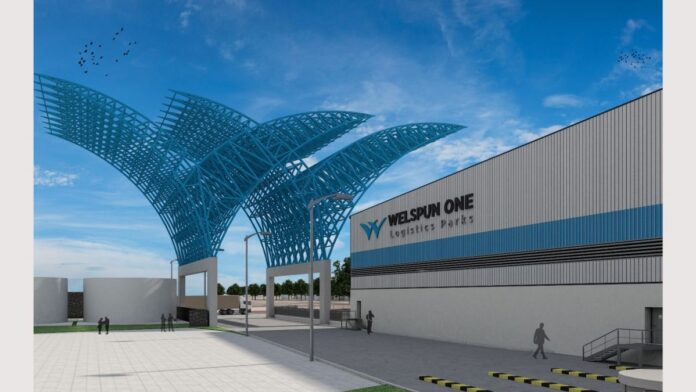
    Welspun One, a leading player in India’s logistics and industrial real estate sector, has announced its ambitious plan to raise Rs 4,000 crores as part of its strategy to expand its portfolio from 16 million square feet to approximately 32 million square feet by 2028. This funding will help the company tap into the growing demand for logistics infrastructure, fuelled by India’s rapid urbanization, e-commerce growth, and evolving consumption patterns.

    The company has already earmarked a pipeline of around 8 million square feet of assets, drawing significant interest from global investors. These investors are exploring financial and strategic partnerships at the General Partner (GP) level, broadening Welspun One’s investor base and establishing the company as a key gateway for international investors looking to capitalize on India’s logistics boom. Welspun One’s Fund 2, which raised Rs 2,275 crores, has already committed approximately 75% of its funds, showcasing strong investor confidence. The company has also returned 40% of capital from Fund 1 through two successful exits, two years ahead of the promised timeline, setting a new benchmark in the real estate fund industry.

    Anshul Singhal, Managing Director of Welspun One, explained, “India’s explosive growth, driven by rapid urbanization, digitalization, and evolving global trade corridors, is fueling the demand for scalable infrastructure. Our platform, built over the past five years, is uniquely positioned to partner with global capital providers, offering them exposure to India’s dynamic growth story.”

    In addition to raising capital, Welspun One is expanding its footprint with strategic ventures. One of the most notable projects is the launch of the World Trade Center (WTC) in Thane. In partnership with the World Trade Centers Association (WTCA), Welspun One will build India’s tallest Urban Distribution Center (UDC) in Wagle Estate, Thane. This Rs 800 crore ($103M) project will feature a mixed-use facility, combining retail, office, F&B, and experience centers under one roof, catering to the surging demand for just-in-time delivery and micro-fulfillment solutions in the Mumbai Metropolitan Region (MMR). Located strategically in Thane, which is emerging as a business hub due to its proximity to key highways and upcoming infrastructure projects like the Thane-Borivali and Goregaon-Mulund tunnels, the WTC Thane facility will offer unparalleled connectivity and serve as a critical hub for supply chain, retail distribution, and business operations. The facility, spanning 1 million square feet, will rise to 14 levels, with floor-to-floor heights ranging from 4.2 to 4.5 meters. It will be India’s first Grade A platinum-rated UDC, featuring cutting-edge logistics solutions such as advanced docking stations, wide driveways, and even drone delivery capabilities.

    The facility will cater to 50% of Thane’s households within 30 minutes and service up to 10 million square feet of commercial space, making it a key player in the logistics ecosystem of the region. With three floors already pre-leased and an advanced pipeline approaching 35% occupancy, WTC Thane is already showing strong market interest, with rental rates expected to rise as construction progresses. Welspun One’s partnership with WTCA will further elevate the project’s status, positioning WTC Thane as a global trade epicenter that integrates retail, office, and logistics solutions. Robin van Puyenbroeck, Executive Director of Business Development at WTCA, emphasized, “Welspun One’s innovation and energy align with WTCA’s mission to drive economic growth through trade and innovation. WTC Thane will set a new benchmark for the domestic and global markets.” By spearheading this venture, Welspun One is not just building infrastructure but is shaping the future of India’s logistics and industrial real estate sector, meeting the evolving demands of global commerce, e-commerce, and supply chain management. The WTC Thane project is a testament to the company’s commitment to creating world-class, sustainable, and integrated infrastructure that will support businesses and fuel India’s economic growth for years to come.

    CREDAI-MCHI and MAHAPREIT Partner to Achieve Net-Zero Emissions in Construction Industry

      0
      CREDAI-MCHI and MAHAPREIT Partner to Achieve Net-Zero Emissions in Construction Industry
      CREDAI-MCHI and MAHAPREIT Partner to Achieve Net-Zero Emissions in Construction Industry

      CREDAI-MCHI and MAHAPREIT Partner to Achieve Net-Zero Emissions in Construction Industry

      CREDAI-MCHI, the apex body of real estate developers in the Mumbai Metropolitan Region (MMR), has entered into a significant partnership with Mahatma Phule Renewable Energy and Infrastructure Technology Limited (MAHAPREIT), a Government of Maharashtra undertaking. This collaboration is aimed at addressing the pressing issue of air emissions in the construction sector and developing a comprehensive roadmap to achieve net-zero emissions. The partnership seeks to create an environmentally responsible framework for the construction industry, which is a significant contributor to air pollution and carbon emissions.

      MAHAPREIT, a subsidiary of the Mahatma Phule Backward Class Development Corporation, is dedicated to promoting renewable energy projects, including solar power initiatives, as well as driving efforts to reduce carbon emissions and improve energy efficiency. This partnership brings together CREDAI-MCHI’s extensive experience in real estate development and MAHAPREIT’s technical expertise in renewable energy and environmental sustainability, with the shared goal of creating a more sustainable construction ecosystem. The collaboration is centered around a detailed study aimed at evaluating the air and greenhouse gas (GHG) emissions from construction activities and operational buildings. This study will focus on identifying the environmental impacts of construction practices, from material production to on-site activities, and how these emissions can be mitigated. The results of this study will be shared with stakeholders in the real estate and construction industries, raising awareness and providing actionable insights into how these emissions can be reduced.

      One of the critical objectives of the study is to create a sustainable framework for decarbonization within the construction sector. This framework will include setting clear emissions reduction targets, identifying the most effective methods for reducing emissions, and training industry stakeholders to implement eco-friendly practices. The ultimate goal is to help the construction sector reduce its environmental footprint and contribute to achieving India’s broader sustainability and climate goals. CREDAI-MCHI, under the leadership of its President, Domnic Romell, has shown a strong commitment to promoting sustainable development within the real estate sector. Romell emphasized that this partnership is a crucial step towards setting new benchmarks for environmental responsibility in construction. “We are committed to sustainable development in the construction industry, and by partnering with MAHAPREIT, we aim to develop a robust roadmap for reducing emissions and meeting Net Zero targets,” he stated. His remarks highlight CREDAI-MCHI’s proactive approach to addressing climate change and its dedication to aligning the construction sector with global sustainability standards.

      Shri Bipin Shrimali, the Managing Director of MAHAPREIT, also highlighted the importance of the partnership in driving sustainability within the industry. Shrimali reaffirmed MAHAPREIT’s commitment to reducing the environmental impact of the construction sector, stating, “Through this partnership, we aim to identify actionable solutions for decarbonization and contribute to a greener future for the construction industry.” MAHAPREIT’s technical expertise in assessing pollution sources and providing guidance on sustainable practices will be crucial in ensuring the success of this initiative.

      The Memorandum of Understanding (MoU), which is valid for 12 months, clearly outlines the roles and responsibilities of both organizations. CREDAI-MCHI will provide access to construction sites across the MMR region, enabling the study to assess real-world construction practices. Additionally, CREDAI-MCHI will collaborate on technological studies aimed at identifying more sustainable construction methods. On the other hand, MAHAPREIT will leverage its technical capabilities to assess the sources of pollution in the construction process and provide recommendations for more eco-friendly practices. This collaboration is expected to lead to the development of a set of guidelines and best practices for the construction industry that will reduce air emissions and help achieve net-zero emissions.

      This partnership is a pivotal step towards transforming the construction industry into a more sustainable and environmentally conscious sector. With the construction industry being one of the largest contributors to pollution, it is crucial to address its environmental impact. By combining CREDAI-MCHI’s industry expertise with MAHAPREIT’s technical know-how, this collaboration is poised to set a new standard for sustainability in the real estate and construction sectors. The efforts of CREDAI-MCHI and MAHAPREIT will not only benefit the environment but also help in building more sustainable and energy-efficient infrastructure, improving the quality of life for communities. As the partnership progresses, the insights and solutions generated from this initiative will have far-reaching implications, contributing to India’s broader goals of achieving net-zero emissions and promoting sustainable development in the construction sector.

      Gujarat CM Reviews Over 5,000 Submissions on Proposed Jantri Rate Revisions

        0
        Gujarat CM Reviews Over 5,000 Submissions on Proposed Jantri Rate Revisions
        Gujarat CM Reviews Over 5,000 Submissions on Proposed Jantri Rate Revisions

        Gujarat CM Reviews Over 5,000 Submissions on Proposed Jantri Rate Revisions

        Gujarat’s Chief Minister Bhupendra Patel recently held the first review of over 5,300 suggestions and objections related to the proposed revisions of the state’s jantri rates. These rates, which determine property values for registration purposes, have been a point of contention due to a proposed substantial increase. The review meeting, organized by the state’s revenue department, focused on scrutinizing the responses received so far, with most submissions being objections to the proposed hikes.

        In less than a month, the government received 5,302 submissions, and experts predict that this number could surpass 10,000 by the deadline. Despite the likelihood of a surge in objections in the final weeks, the government has made it clear that it will not extend the deadline for submitting suggestions and objections, which is set for January 20, 2025. This decision has raised concerns among various stakeholders, given the expected rise in submissions as the deadline approaches. The majority of responses come from individuals and real estate associations, with many objecting to the steep increase in jantri rates. These stakeholders argue that the hike could negatively impact the real estate market, property transactions, and overall affordability for property buyers. In particular, real estate associations have expressed the need for a more balanced approach to the rate increase, emphasizing that a sudden and significant hike could destabilize the market and harm property transactions, especially in smaller towns and rural areas.

        To address these concerns, the government has been collecting feedback through both online and offline channels. While online submissions have been the primary method of receiving objections, the state government recently introduced an offline submission option to make the process more accessible to those who may not have internet access or who prefer a physical submission. This has led to a wider range of opinions being gathered from various sectors of society. Government officials are now in the process of reviewing and verifying the submissions with local authorities to ensure the accuracy of the data collected. These responses will play a crucial role in the final decision on the revised jantri rates. In addition to the ongoing review of submissions, the state has planned a conference with district collectors and District Development Officers (DDOs) in Gandhinagar on December 20, 2024. During this conference, additional feedback regarding the proposed rate revisions will be gathered from local authorities and other stakeholders.

        The jantri rates are a critical component of the property registration process in Gujarat, as they determine the value of a property for the purpose of calculating stamp duty during transactions. These rates are revised periodically, but the current proposed increase has sparked significant debate. On one hand, the government argues that the increase is necessary to align property values with current market trends and to boost state revenue. On the other hand, critics assert that the sharp hike could have adverse effects on the real estate market and property buyers, especially in the middle and lower-income segments. As the deadline for submissions approaches, the state faces a delicate balancing act.

        The government needs to consider both the fiscal requirements of the state and the potential consequences for the real estate sector and property buyers. While it is clear that there is widespread concern about the proposed increases, it remains to be seen whether the final decision will reflect these concerns or stick to the proposed revisions. The outcome of this review process will have far-reaching implications for property buyers, sellers, and investors across Gujarat. If the proposed hike in jantri rates is implemented as planned, it could lead to higher transaction costs, making property transactions more expensive and potentially dampening demand in certain sectors. Conversely, if the rates are revised in response to feedback, it could offer some relief to stakeholders in the real estate market.

        India Rises as a Top Global Real Estate Investment Hub

          0
          India Rises as a Top Global Real Estate Investment Hub
          India Rises as a Top Global Real Estate Investment Hub

          India’s real estate sector has experienced remarkable growth, securing its position as one of the top five global destinations for cross-border capital investment. According to the latest Asia Pacific Global Capital Flows May 2024 report by Colliers, India has emerged as a major player alongside other key markets such as China, Singapore, Australia, and Japan. This rising prominence is attributed to India’s strong economic resilience, favourable investment policies, and thriving domestic consumption, creating a fertile environment for both local and international investors.

          The first quarter of 2024 saw robust investment activity in India’s real estate sector, driven by key factors such as economic growth and a surge in residential demand. India’s GDP growth has consistently outperformed expectations, making it a preferred investment destination. The country’s young, urbanising population is pushing up demand for residential spaces, particularly in high-growth cities like Bangalore, Mumbai, and Hyderabad. This demographic trend is poised to ensure a steady real estate market, making India a dependable choice for long-term investors.

          Investors, however, are increasingly gravitating towards completed and pre-leased properties, seeking stability and low-risk investments that promise immediate returns. The Real Estate (Regulation and Development) Act (RERA) 2016 has bolstered transparency, reducing investor concerns regarding regulatory risks. Pre-leased office spaces, in particular, are being snapped up by investors seeking reliable income streams. Furthermore, partnerships between international firms and local developers have been instrumental in navigating India’s complex real estate landscape, combining global expertise with local market knowledge to drive large-scale projects forward.

          Beyond the major metropolitan hubs, India’s tier-2 and tier-3 cities are also attracting significant investment. This expansion is aided by government initiatives such as the “Smart Cities Mission,” which aims to develop 100 smart cities across the country. These cities offer affordable land prices and growing infrastructure, leading to increased demand for residential, commercial, and industrial spaces. As infrastructure improves, smaller cities will continue to grow in prominence, offering investors attractive opportunities for growth beyond traditional markets.

          Sustainability has also become a key factor in attracting foreign investments, with international investors increasingly favouring projects that align with global environmental standards. India’s growing focus on sustainable development, backed by government incentives and green building certifications, positions the country as a leader in environmentally conscious real estate investments. As India’s real estate sector matures, sustainability and responsible development are poised to play an even larger role in its global appeal.

          Why Office Real Estate is a Smart Investment

          0
          Why Office Real Estate is a Smart Investment
          Why Office Real Estate is a Smart Investment

          In the ever-evolving landscape of commercial real estate, office properties continue to stand out as one of the most lucrative and stable investment options. Despite the challenges presented by the COVID-19 pandemic, which caused disruptions in the way businesses operated, the office real estate market is showing signs of resilience. This sector offers significant opportunities, particularly as businesses and industries transition back to in-person work and hybrid models. For investors, office spaces provide long-term returns and the potential for steady cash flow through rental income.

          One of the key factors driving the attractiveness of office real estate is its potential for high yields compared to other types of property investments. With businesses requiring physical spaces to operate efficiently, demand for commercial office spaces, particularly in prime locations, is expected to remain strong. Moreover, with an increasing focus on sectors such as technology, finance, and consulting, the demand for premium office spaces in urban areas is anticipated to increase. Cities like Bengaluru, Mumbai, and Delhi continue to be hotspots for high-end office spaces, offering attractive returns on investment for commercial property owners.

          Beyond monetary benefits, office real estate presents an opportunity to engage with the evolving landscape of urban development and sustainability. Many investors are now seeking office spaces that meet green building standards, such as LEED or BREEAM certifications. These properties not only offer energy efficiency and lower operational costs but also attract tenants who value sustainability in their work environments. With the global shift towards environmental consciousness, there is growing interest in office spaces designed with sustainable practices, making them more desirable and future-proof investments.

          Additionally, office real estate plays a significant role in the overall development of cities and communities. Urban areas benefit from the influx of investment in office buildings, which leads to job creation and improved infrastructure. However, to ensure the success and longevity of such investments, it’s crucial that developers focus on the long-term sustainability of office buildings, integrating renewable energy solutions, waste reduction practices, and other eco-friendly measures. As the market continues to evolve, the commercial office space sector will not only provide profitable returns but also contribute to the creation of sustainable, resilient urban environments.

          Commercial Real Estate Market Begins to Bounce Back

          0
          Commercial Real Estate Market Begins to Bounce Back
          Commercial Real Estate Market Begins to Bounce Back

          The commercial real estate market in India, which took a significant hit during the pandemic, is finally beginning to show signs of recovery. According to recent reports, demand for office space and commercial properties has picked up pace, marking a positive turn after a prolonged period of stagnation. As businesses return to normalcy, commercial leasing activity has surged in major cities such as Delhi, Mumbai, Bengaluru, and Hyderabad. The renewed optimism in the market is a direct reflection of the improving economic conditions and the return of confidence among investors.

          In the last few quarters, leasing activity has been particularly strong in Grade-A office spaces, with multinational corporations and tech companies leading the charge. Flexible workspaces are also gaining popularity, as businesses look for solutions that offer scalability without long-term commitments. According to reports, the total leasing volume in major cities has increased by 15% year-on-year, with the demand primarily driven by the IT and services sectors. The shift towards hybrid working models has also contributed to the demand for more adaptable office solutions.

          From an economic perspective, the resurgence in commercial real estate signals an important milestone for India’s broader recovery post-pandemic. However, the market remains cautious, and experts stress the need for sustained growth to ensure that this recovery is not short-lived. While demand is rising, the supply of high-quality office space still lags behind the requirements of many businesses. Developers are now under pressure to meet the growing demand with an emphasis on sustainable design, energy efficiency, and modern amenities.

          From a sustainability standpoint, the revival of commercial real estate presents an opportunity to integrate green building practices and sustainable urban development. As more businesses prioritise eco-friendly solutions, there is a growing demand for LEED-certified buildings and energy-efficient office spaces. Developers are increasingly adopting sustainable building materials and technologies, which could potentially reduce the carbon footprint of the sector. As India moves towards a greener future, the commercial real estate market plays a crucial role in shaping a more sustainable urban landscape. By focusing on long-term, eco-conscious solutions, the industry can ensure that this recovery supports not just economic growth, but also environmental well-being.

          Telangana’s Real Estate Crisis Hydra Fears Undermine Investor Confidence

          0
          Telangana’s Real Estate Crisis Hydra Fears Undermine Investor Confidence
          Telangana’s Real Estate Crisis Hydra Fears Undermine Investor Confidence

          Hyderabad: Telangana’s real estate sector is facing a significant downturn, and AIMIM MLA Asaduddin Owaisi has pointed to a series of factors, particularly the fear surrounding the term “Hydra,” which has created a sense of unease among potential investors. The political landscape and economic uncertainties, he claims, have contributed to an atmosphere of fear that is undermining confidence in the state’s property market. These concerns, according to Owaisi, are largely fuelled by attempts to tarnish the image of the Telangana government, exacerbating the state’s investment woes.

          Owaisi’s criticism of the situation underscores the severity of the problem. He noted that Telangana has seen a notable decline in real estate investments, a trend that shows no sign of reversing. The issue of “Hydra” – which could refer to a speculative economic or political risk, or an internal challenge within the state – has, in Owaisi’s view, instilled fear in investors, both domestic and international. As a result, the property market has experienced stagnation, with fewer deals being made and projects left unstarted.

          The implications of this stagnation extend beyond just the real estate sector, with broader economic consequences for the state. Owaisi has urged the state government to take immediate action to rebuild trust and address these fears. By improving the state’s economic environment and offering clear assurances to investors, Telangana could potentially reverse its current real estate slump. The image of the state must be restored to facilitate greater economic growth, particularly in sectors like real estate, which are critical to urban development.

          From a sustainability perspective, the downturn in the real estate sector could have long-term effects on urban development and infrastructure. Telangana, especially its capital city Hyderabad, has seen rapid urbanisation over the past decade. If this investment decline continues, it could impact efforts towards sustainable urban planning, where private-sector investment is often crucial to funding projects like affordable housing, green spaces, and infrastructure development. As the state struggles to regain investor confidence, ensuring sustainable growth remains a critical focus for local authorities.

          While the current political uncertainty and Hydra-related fears pose challenges, the long-term success of Telangana’s real estate sector will depend on addressing these issues head-on and restoring a sense of stability and trust in the market.

          Actor Manish Paul Leases Office for ₹2 Lakh

          Actor Manish Paul Leases Office for ₹2 Lakh
          Actor Manish Paul Leases Office for ₹2 LakhActor Manish Paul Leases Office for ₹2 Lakh

          Television host and actor Manish Paul has recently ventured into Mumbai’s dynamic commercial real estate market, leasing out an office space in Andheri West for ₹2 lakh per month. Spanning 1,200 sq. ft. in the Morya Grand complex, a ready-to-move-in project developed by Nakta Investment Pvt Ltd, this deal reflects Paul’s strategic foray into commercial property management. The office space, which he acquired in September 2023 for ₹2.25 crore, will be leased for a two-year period, with the rent structured to increase after the first year, rising to ₹2.14 lakh per month.

          The Morya Grand project, part of a larger development covering 0.69 acres, is situated in one of Mumbai’s prime commercial areas. Andheri West, with its excellent connectivity to the Western Express Highway and the Mumbai Metro, has become a preferred destination for commercial real estate, especially for businesses seeking accessibility to Bandra, Juhu, and the city’s airports. Paul’s move follows a broader trend among Bollywood celebrities, who are increasingly viewing commercial real estate as a lucrative investment opportunity, offering higher rental yields compared to residential properties.

          This leasing deal also underscores the growing demand for commercial spaces in Mumbai. While commercial properties in areas like Andheri West have traditionally been seen as high-value investments, the celebrity influence continues to drive their desirability. Other high-profile celebrities, including Madhuri Dixit, Ajay Devgn, and Amitabh Bachchan, have also made notable moves in the commercial real estate space, with properties leased or purchased for lucrative returns. For instance, Ajay Devgn’s lease deal in Andheri West commands ₹9 lakh in monthly rent.

          However, amidst the growing popularity of commercial properties, there’s an increasing focus on the sustainability angle. As Mumbai continues to urbanise, the environmental impact of large commercial developments is under scrutiny. Sustainable building practices, such as energy-efficient designs, water conservation systems, and green certifications, are becoming a priority for developers and investors alike. With Mumbai’s commercial property market witnessing exponential growth, it is essential that developers integrate environmentally responsible solutions to ensure long-term sustainability, both economically and environmentally.

          Manish Paul’s office lease highlights a broader trend of celebrity-driven investments in commercial spaces in Mumbai. As demand for premium commercial real estate continues to rise, the need for responsible urban planning and sustainable development is more urgent than ever.

          Sholinganallur Real Estate Surge Over 5,000 Units Coming Amid Infrastructure Concerns

          0
          Sholinganallur Real Estate Surge Over 5,000 Units Coming Amid Infrastructure Concerns
          Sholinganallur Real Estate Surge Over 5,000 Units Coming Amid Infrastructure Concerns

          Sholinganallur, once primarily known as a haven for IT professionals, is undergoing a remarkable transformation. Positioned along the bustling Old Mahabalipuram Road (OMR) corridor in South Chennai, the area is witnessing an influx of high-end residential projects. By next year, over 5,000 units in high-rise buildings will be added to the market, catering to both IT and non-IT buyers. As the real estate boom accelerates, especially with enhanced metro connectivity, Sholinganallur is rapidly becoming a preferred choice for homebuyers, particularly from nearby areas like East Coast Road (ECR).

          Over the past few years, the Sholinganallur real estate market has exhibited impressive growth. Between 2018 and Q3 of 2024, approximately 8,300 residential units were launched, with 69% still under construction. This surge reflects a steady demand, especially in the mid-segment price range of Rs 40 lakh to Rs 80 lakh, which accounted for 66% of new launches. However, a shift is also visible, with demand now growing for more luxurious properties priced between Rs 1 crore to Rs 2.5 crore. This upward trend signals that Sholinganallur is evolving beyond its IT-centric identity to attract a broader range of buyers.

          Despite the growth, residents are voicing concerns about the local infrastructure. While Sholinganallur was integrated into the Greater Chennai Corporation 13 years ago, critical issues like inadequate water supply, sewage connections, and roads remain unresolved. “The infrastructure hasn’t kept pace with the area’s rapid development, and there’s a growing need for better sewage and water systems,” said D. Raman, President of the Confederation Sholinganallur Residents Welfare Association. Furthermore, the absence of underground power lines has caused frequent accidents, highlighting the need for urban planning reforms to match the area’s development.

          From a sustainability perspective, Sholinganallur’s rapid expansion raises questions about the environmental impact of new high-rise developments. While the demand for modern, spacious apartments remains high, the challenge lies in ensuring that the local infrastructure and environment can support such growth. Urban planners must focus on integrating sustainable practices, such as eco-friendly construction materials, water conservation systems, and waste management, to ensure that Sholinganallur’s future remains balanced between development and environmental responsibility.

          Sholinganallur’s real estate boom is undoubtedly a success story of urban expansion, yet the growing pains of the locality are evident. The push for more residential units must be coupled with urgent infrastructural upgrades to ensure long-term sustainability and quality of life for residents.