Home Blog Page 439

India Considers 25% Tax on Steel Imports to Combat Cheaper Chinese Steel

0
India Considers 25% Tax on Steel Imports to Combat Cheaper Chinese Steel

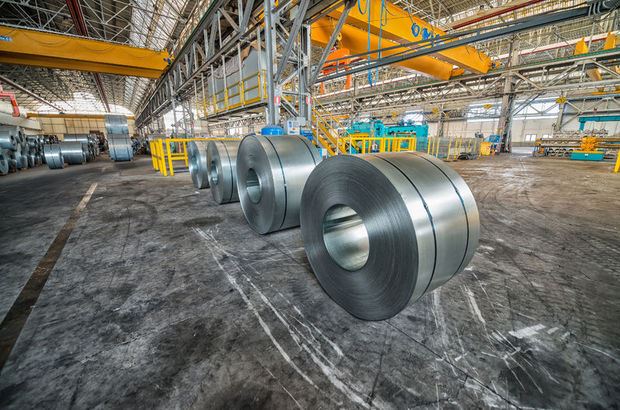
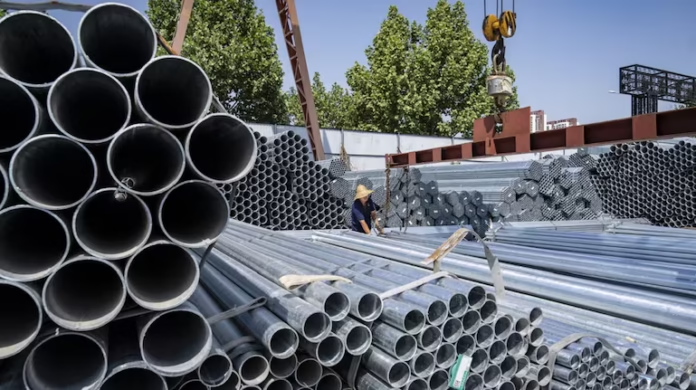
India is contemplating the imposition of a safeguard duty of up to 25% on steel imports to curb the influx of cheaper steel, particularly from China. This move comes after growing concerns from major Indian steel producers such as JSW Steel, Tata Steel, and ArcelorMittal Nippon Steel India, who have raised alarms about the competitive pricing of Chinese steel impacting their domestic production.

The proposal, which gained broad support at a meeting chaired by Commerce Minister Piyush Goyal on December 17, 2024, seeks to protect the domestic steel industry from the adverse effects of cheap foreign imports. Initially, small industries had opposed the idea, fearing that higher taxes would lead to increased steel prices. However, after receiving assurances that they would not be negatively impacted, especially through measures ensuring affordable raw material costs, these concerns were alleviated. As part of the proposed measures, large steelmakers would supply steel to small manufacturers at reduced prices, ensuring that they can access the material at around 20% below market rates. This arrangement, designed to shield micro, small, and medium enterprises (MSMEs), has been hailed as a key step toward supporting smaller players in the industry. The government plans to finalize the safeguard duty following an investigation by India’s Directorate General of Trade Remedies, which is currently assessing whether cheap imports from China are causing harm to domestic manufacturers. The investigation is expected to conclude within a month, paving the way for the duty’s imposition.

India, which is the second-largest producer of crude steel globally, became a net importer of steel in the financial year ending March 31, 2024. Imports reached record highs, with a substantial share coming from China. The country’s steel industry has faced challenges as domestic production struggles to compete with the low prices of Chinese steel, exacerbating concerns over trade imbalances. The proposed safeguard duty aims to provide some relief to domestic manufacturers by making imported steel less competitive. This move is expected to offer a dual benefit: securing the interests of larger steelmakers while ensuring small industries do not bear the brunt of higher prices. With the global steel market continuing to evolve, India’s decision to introduce a temporary tax on imports reflects the country’s efforts to strike a balance between protecting local industries and maintaining affordability for smaller manufacturers.


Endurance Technologies’ MD Buys ₹130 Crore Bungalow in New Delhi

0
Endurance Technologies' MD Buys ₹130 Crore Bungalow in New Delhi

Anurang Jain, the Managing Director of Endurance Technologies, has made headlines with his recent purchase of a luxurious bungalow for ₹130 crore, located on the prestigious Kautilya Marg in New Delhi. The property spans an impressive 1,350 square yards, further cementing its status as one of the most expensive residential deals in the capital city. Documents accessed from CRE Matrix, a real estate data analytics firm, reveal that Jain paid a stamp duty of ₹8.32 crore for the transaction, making it one of the highest-value residential property purchases in Delhi.

Endurance Technologies, one of India’s largest auto component manufacturers, has been a significant player in the industry for years. This move comes amid a growing trend of high-net-worth individuals, including business owners and C-suite professionals, investing in prime real estate in New Delhi. The demand for luxury properties in Delhi remains robust despite the challenges of limited supply, with buyers willing to wait for the right opportunity to secure such coveted assets. The Jain transaction follows other notable high-value property deals in India. For instance, Rishi Parti, the director of Info-x Software Technology, purchased a 16,000 sq. ft penthouse in Gurugram’s DLF The Camellias for ₹190 crore, one of the most expensive apartment transactions in the country. Similarly, Delhi’s luxury real estate market saw a surge in sales in 2023, with 58 ultra-luxury homes (valued at ₹40 crore and above) being sold, marking a significant increase compared to just 13 transactions in the previous year.

The growing appetite for high-end properties in Delhi, Mumbai, and Hyderabad signals a strong demand for luxury real estate, despite the rising prices. As per Pradeep Prajapati, the founder of boutique real estate consultancy Wealthvisory Capital, several similar high-value transactions are reportedly nearing completion, indicating a strong market for ultra-luxury homes in the country. Jain’s purchase further emphasizes the trend among business leaders and wealthy investors in India who are increasingly looking towards premium real estate as a secure and lucrative investment. With more such properties set to change hands in the coming months, New Delhi’s luxury property market remains a prime destination for those with the means to invest in high-end real estate.

Tamil Nadu CM Allocates Rs 400 Crore to Accelerate Rural Housing Scheme

0
Tamil Nadu CM Allocates Rs 400 Crore to Accelerate Rural Housing Scheme

Tamil Nadu Chief Minister M. K. Stalin has announced an additional allocation of Rs 400 crore for the ‘Kalaignarin Kanavu Illam’ housing scheme, a significant move aimed at accelerating the construction of concrete homes for rural residents in the state. This new funding will be credited directly to the bank accounts of beneficiaries, enhancing the efficiency and speed of the housing project. The total amount disbursed for the project, including this latest allocation, now stands at Rs 1,451 crore.

The ‘Kalaignarin Kanavu Illam’ scheme, named after the late Chief Minister M. Karunanidhi, is designed to provide durable concrete houses for rural families living in huts. Each house under this initiative will have a built-up area of 360 sq ft, which includes a kitchen. To ease the financial burden on beneficiaries, the state government is also providing construction materials such as cement and steel bars at subsidized rates through the state-run Tamil Nadu Cements Corporation (TNCC). The disbursal of funds follows the Direct Benefit Transfer (DBT) system, with beneficiaries receiving the amount in four instalments through a single nodal account. As of now, Rs 860.31 crore has been credited to the beneficiaries, while Rs 135.30 crore has been allocated for the construction materials required for the project.

For the fiscal year 2024-25, the Tamil Nadu government has already issued orders for the construction of one lakh new houses under the scheme. The government plans to build a total of 8 lakh new houses by 2030 to replace the dilapidated huts that are common in rural areas. As part of the current phase, Rs 3,500 crore has been allocated at the rate of Rs 3.50 lakh per house to ensure timely progress. The scheme aims to improve the quality of life for rural residents by providing them with proper housing. It also addresses the long-standing challenge of inadequate housing in rural Tamil Nadu, where many families continue to live in substandard conditions. With the government’s active support, including the provision of essential construction materials and financial assistance, the ‘Kalaignarin Kanavu Illam’ scheme is set to make a significant impact on rural housing in the state.

Kalpataru Projects International Raises Rs 1,000 Crore to Accelerate Global Growth

    0
    Kalpataru Projects International Raises Rs 1,000 Crore to Accelerate Global Growth
    Kalpataru Projects International Raises Rs 1,000 Crore to Accelerate Global Growth

    Kalpataru Projects International Limited (KPIL), a leading player in the Engineering, Procurement, and Construction (EPC) sector, has successfully raised Rs 1,000 crore through a Qualified Institutional Placement (QIP), marking its first equity raise in over ten years. This significant move is seen as a major step towards accelerating the company’s growth trajectory and strengthening its financial position in the global EPC market.

    Founded over four decades ago, KPIL has emerged as one of India’s largest diversified EPC companies, with expertise in sectors such as power transmission, water supply, urban mobility, railways, and oil and gas pipelines. The company’s portfolio also includes projects in highways, airports, and buildings and factories, making it a well-rounded player in infrastructure development. This QIP issue attracted substantial interest from a wide range of institutional investors, including domestic mutual funds, foreign investment funds, and insurance companies, further validating KPIL’s business model and growth prospects.

    Manish Mohnot, the Managing Director and CEO of KPIL, expressed his satisfaction with the overwhelming response to the QIP. He mentioned that the funds raised would bolster the company’s balance sheet, enhance its financial flexibility, and accelerate its expansion plans. This infusion of capital is expected to help KPIL tap into new growth opportunities, particularly in the fast-growing infrastructure and energy sectors.

    With a presence in over 30 countries and a footprint spanning 75 nations, KPIL is well-positioned to continue its global expansion. The funds from this QIP will allow the company to take on more large-scale projects and enhance its capabilities in executing complex infrastructure and construction works.

    In a competitive market, KPIL’s strategic approach to diversifying its portfolio and expanding into new regions has made it a sought-after name in the EPC industry. As it strengthens its financial position, KPIL is poised for continued growth, focusing on delivering value to its stakeholders while playing a key role in developing vital infrastructure across the globe.

    EU Reviews Steel Import Safeguards, Affecting Indian Exports

    0
    EU Reviews Steel Import Safeguards, Affecting Indian Exports
    EU Reviews Steel Import Safeguards, Affecting Indian Exports

    European Union (EU) has begun a review of its safeguard measures on steel imports, a move that could significantly impact Indian steel exporters. Currently, the EU uses an import quota system for certain steel products, which allows them to enter the region at zero or lower tariffs up to a specified limit. Once this quota is exceeded, a 25% tariff is imposed on steel products. For India, steel exports to the EU account for a significant portion of its total exports, ranging from 15% to 40%.

    This review could lead to a reduction in the tariff-free quota, potentially hurting Indian exporters, especially those focusing on key markets like Italy and Belgium, which received 22.3% and 11.2% of India’s finished steel exports in FY24. The review of safeguard measures stems from a slowdown in steel demand within the EU and a surge in steel exports from China, which has flooded global markets, including the EU. China’s steel exports have reached record highs, primarily due to weak domestic demand driven by a faltering real estate sector. Experts predict that China’s steel exports in 2024 could exceed the previous record of 112 million tonnes set in 2015. This influx of Chinese steel has resulted in a greater supply of steel in the EU market, raising concerns about the impact on the region’s domestic industry. Consequently, the EU is considering tightening its safeguard measures, which would likely reduce the volume of steel entering without tariffs.

    Indian steel exporters, particularly those in sectors like automotive and construction, are concerned about the potential effects of these changes. EU steel prices are typically higher than in other markets, making the region an attractive destination for Indian producers. However, if the safeguard quotas are reduced, it could disrupt the export dynamics and lead to higher costs for Indian steel companies looking to maintain their foothold in the EU. With the EU being one of the major export destinations for Indian steel, any shift in import policies will have a direct impact on India’s steel sector, especially as it navigates the ongoing global supply chain disruptions and fluctuating demand for steel worldwide.

    TVS Emerald Acquires Radial IT Parks for ₹575 Crore in Strategic Expansion

    0
    TVS Emerald Acquires Radial IT Parks for ₹575 Crore in Strategic Expansion
    TVS Emerald Acquires Radial IT Parks for ₹575 Crore in Strategic Expansion

    TVS Holdings Ltd’s real estate arm, TVS Emerald Ltd, has announced a significant strategic move by acquiring Radial (Phase II) and Radial (Phase III) IT Park Pvt Ltd. With a combined investment of over ₹575 crore, this acquisition marks a major milestone in TVS Emerald’s expansion strategy within the commercial real estate sector. The transaction includes the purchase of 100% equity shares and convertible debentures in both phases, with Radial (Phase II) acquired for ₹234.33 crore and Radial (Phase III) for ₹342 crore, as confirmed by a recent regulatory filing. The deal is expected to be finalised by December 31, 2024.

    The move is part of TVS Emerald’s strategy to diversify its portfolio and enhance its footprint in the burgeoning office space market. The acquisition is seen as a response to the growing demand for Grade A commercial spaces in India, particularly in cities with a robust tech ecosystem like Bengaluru, Hyderabad, and Pune. TVS Emerald’s strong position in the real estate market, combined with the high growth potential of these IT parks, is expected to contribute significantly to the company’s long-term growth trajectory and market reach.

    Strategic Impact on TVS Emerald’s Market Reach
    This acquisition not only strengthens TVS Emerald’s commercial real estate portfolio but also enables the company to tap into a rapidly growing segment of the market: IT and office space solutions. The IT sector in India is expected to continue its expansion, driving demand for office spaces tailored to the needs of technology companies. With these acquisitions, TVS Emerald is poised to leverage its established presence in the real estate market to cater to the increasing demand for commercial properties.

    Sustainability and Urban Development Perspective
    From a sustainability perspective, the acquisition of these IT parks also raises important questions about the future of urban development. As the demand for commercial office spaces increases, developers must be mindful of the environmental impact of new buildings. With a growing emphasis on eco-friendly construction, TVS Emerald has the opportunity to lead the way in integrating sustainable features into its newly acquired properties. By focusing on energy efficiency, waste reduction, and the use of sustainable materials, the company can contribute positively to urban growth while mitigating environmental impact. Additionally, the development of these IT parks aligns with the broader trend of sustainable urbanisation, which prioritises long-term growth without compromising the environment.

    Urvashi Rautela Rents ₹6 Lakh Apartment in Mumbai’s Vile Parle

    0
    Urvashi Rautela Rents ₹6 Lakh Apartment in Mumbai's Vile Parle
    Urvashi Rautela Rents ₹6 Lakh Apartment in Mumbai's Vile Parle

    Bollywood actress and model Urvashi Rautela has signed a temporary rental agreement for a luxurious 3BHK apartment in Vile Parle (West), Mumbai. The apartment spans 3600 sq ft and is priced at ₹6 lakh per month. The agreement is effective from January 2025 to March 2025, with an interest-free security deposit of ₹19.50 lakh. Situated in The New India CHS, JVPD, the property also includes two reserved parking spots, providing Rautela with a comfortable and spacious residence during her stay.

    Rautela, who represented India at the 2015 Miss Universe pageant and has a series of prestigious pageant titles, is temporarily renting the property for personal use. The rental deal highlights a growing trend among celebrities and high-net-worth individuals in urban centres like Mumbai, who seek flexibility in their living arrangements rather than committing to permanent property ownership. With Mumbai’s real estate market known for high demand and steep prices, renting becomes an attractive alternative for those with transient housing needs.

    The Rent vs. Buy Dilemma:
    The ongoing rent versus buy debate in urban India is gaining more attention. Experts like Abhishek Kiran Gupta, CEO of CRE Matrix, suggest that renting provides unparalleled flexibility, allowing individuals to avoid being tied down by long-term property ownership. Gupta highlights that the cost of owning a home has increased, especially with the added burden of home loans, making renting a viable and more economical option for the younger generation. “Over the past decade, property price appreciation has been relatively muted, discouraging young buyers from investing in homes,” Gupta added.

    Sustainability and the Rental Shift:
    From a sustainability perspective, the rise in renting could also indicate a shift towards more sustainable urban living. Renting instead of buying can reduce the carbon footprint associated with large-scale construction, as demand for new builds decreases. Moreover, renting can often lead to more efficient use of space and resources, contributing to reduced waste in housing developments. As cities like Mumbai continue to face space shortages, this growing rental culture could be a step towards more sustainable urban living, with fewer resources tied up in long-term residential constructions.

    Unlocking Real Estate’s Future Through PropTech at TEKCE

    0
    Unlocking Real Estate’s Future Through PropTech at TEKCE
    Unlocking Real Estate’s Future Through PropTech at TEKCE

    The global real estate sector is undergoing a seismic transformation as PropTech investments are projected to soar from $37 billion in 2023 to nearly $90 billion by 2032. Leading this technological wave is TEKCE, an international real estate group with 20 offices spanning five countries. By introducing its innovative platform, MyTEKCE, TEKCE aims to revolutionise property transactions by centralising data and fostering a seamless, user-centric experience.

    MyTEKCE combines cutting-edge personalisation with transparency to address inefficiencies in the real estate sector, historically mired in bureaucratic delays. Özkan Tekce, COO of TEKCE, emphasised the platform’s transformative potential, stating, “Real estate has long relied on conventional practices. MyTEKCE connects buyers and sellers with an unprecedented ease, redefining the transactional experience.” With tools like free property valuations and real-time updates for sellers, and tailored search features for buyers, MyTEKCE enhances decision-making while offering unparalleled convenience. Its multilingual support, spanning over 30 languages, underscores its global appeal and accessibility.

    The sustainability angle is integral to MyTEKCE’s mission. By digitising processes, reducing paperwork, and streamlining operations, the platform contributes to lowering the industry’s carbon footprint. Further, its support for cryptocurrency payments introduces a future-ready, eco-conscious approach. Upcoming features will empower landlords to manage rentals efficiently and industry partners to leverage TEKCE’s expansive database, promoting a collaborative ecosystem in real estate.

    From an urban development perspective, MyTEKCE aligns with smart city frameworks, offering tools to optimise property management in evolving metropolitan landscapes. This transformation not only addresses civic issues like transparency but also supports urban sustainability goals. As PropTech reshapes the sector, MyTEKCE exemplifies how technology and innovation can redefine traditional industries while prioritising environmental and urban advancements.

    AI to Revolutionise Corporate Real Estate Functions

      0
      AI to Revolutionise Corporate Real Estate Functions
      AI to Revolutionise Corporate Real Estate Functions

      The adoption of Artificial Intelligence (AI) in corporate real estate (CRE) is emerging as a transformative trend, with the potential to redefine enterprise value and business strategy. While traditional real estate technology, such as Integrated Workplace Management Systems (IWMS), has improved operational efficiency, AI offers a significant leap forward by enabling predictive analytics, automation, and strategic decision-making. For CRE leaders, integrating AI is no longer a choice but an imperative, as it positions real estate functions as critical contributors to organisational success. Those who hesitate risk losing relevance in a rapidly evolving landscape.

      Historically, corporate real estate has been undervalued, often relegated to cost-control functions. This has limited its ability to influence broader business outcomes. However, with AI, CRE can provide data-driven insights into portfolio optimisation, market trends, and workspace utilisation. These capabilities align real estate decisions with overall business objectives, offering tangible contributions to growth, profitability, and workforce productivity. For instance, AI-powered tools can forecast future space requirements and identify underperforming assets, enabling companies to right-size portfolios and adapt to hybrid work models.

      Sustainability is another compelling dimension of AI integration in CRE. Advanced analytics can monitor energy consumption, optimise building operations, and support ESG (Environmental, Social, and Governance) goals. Technologies such as digital twins and Building Information Modelling (BIM) enhance asset management while reducing carbon footprints. By integrating sustainability into real estate strategies, companies can meet regulatory standards, attract eco-conscious investors, and create healthier work environments.

      Nevertheless, barriers to AI adoption remain. Integration challenges, fragmented data systems, and skill gaps among professionals hinder seamless implementation. To address these issues, CRE leaders must streamline technology stacks, standardise data, and invest in upskilling teams. By embracing AI, corporate real estate can shift from being a peripheral function to a driver of enterprise innovation, aligning operational goals with sustainable urban development and future-ready strategies.

      Commercial real estate to grow USD 384B by 2028, driven by AI

      0
      Commercial real estate to grow USD 384B by 2028, driven by AI
      Commercial real estate to grow USD 384B by 2028, driven by AI

      The global commercial real estate (CRE) market is poised for remarkable growth, with an estimated expansion of USD 384.46 billion from 2024 to 2028, according to recent industry insights. Driven by a compound annual growth rate (CAGR) of 4.36%, the sector is witnessing a surge in opportunities, particularly due to the robust growth of the global commercial sector. As businesses expand and economies recover post-pandemic, the demand for commercial properties continues to rise, although challenges such as remote work trends and e-commerce proliferation remain critical hurdles.

      Key players such as CBRE Group Inc., Brookfield Business Partners, and DLF Ltd. are actively reshaping the CRE landscape by integrating innovative strategies and leveraging technology. Artificial Intelligence (AI) is emerging as a game-changer, driving efficiency in property management, forecasting market trends, and enhancing customer experience. This technological adoption is creating a competitive edge for companies striving to meet evolving client expectations.

      From a sustainability perspective, the sector is progressively aligning with green building standards and ESG (Environmental, Social, Governance) criteria. Many developers are adopting energy-efficient designs and carbon-neutral practices, which resonate with global sustainability goals. These measures not only reduce operational costs but also enhance the marketability of properties in an increasingly eco-conscious world.

      However, the sector must address civic challenges such as urban overcrowding and infrastructure strain. A balanced approach that prioritises urban development alongside commercial expansion is essential. By focusing on inclusive growth, the CRE industry can cater to the needs of modern businesses while contributing to sustainable urbanisation.