Home Blog Page 444

Excavation for Commercial Building Causes Cave-In Near Navi Mumbai Highrise

    0
    Excavation for Commercial Building Causes Cave-In Near Navi Mumbai Highrise
    Excavation for Commercial Building Causes Cave-In Near Navi Mumbai Highrise

    Navi Mumbai, excavation work for a commercial building under construction triggered a cave-in near Mangal Tower, a residential high-rise in Sector 15, CBD-Belapur, on Tuesday night. The collapse of the drive-in area left residents panicked, with many rushing out of their apartments for safety.

    According to Ranesh Kokate, the Fire Officer for CBD-Belapur, the rescue teams responded swiftly upon being alerted about the cave-in. “Upon receiving information about the road collapse, our rescue team immediately reached the location,” Kokate said. The cave-in caused visible cracks in the drive-in road within the Mangal Tower premises. As a precautionary measure, all residents were evacuated immediately to ensure their safety. The excavation work was being carried out by the developer of an adjacent commercial building, and it was found that the cave-in did not affect the structure of Mangal Tower itself. The NMMC’s engineering team conducted an inspection and confirmed that the building remained structurally sound. However, some residents chose to leave the building, locking their apartments and moving to relatives’ homes for added security.

    Somnath Kekan, the additional town planning officer for NMMC, explained that the town planning department had summoned the VJTI team to conduct a thorough inspection and prepare a technical report to determine the exact cause of the cave-in. Once the report is received, the developer responsible for the excavation will be served with a notice, and legal action will follow.

    This incident has raised concerns over the safety of excavation and construction work near residential areas, prompting local authorities to review safety protocols. While the building itself has been declared safe, the impact on residents’ peace of mind cannot be ignored. The situation highlights the need for stricter oversight and precautionary measures in the construction of commercial buildings, particularly when they are in close proximity to residential complexes. As authorities continue their investigation, it is expected that stricter guidelines for excavation work will be put in place to prevent similar incidents in the future.


    Private Equity Investment in Indian Real Estate Soars by 32% in 2024

      0
      Private Equity Investment in Indian Real Estate Soars by 32% in 2024
      Private Equity Investment in Indian Real Estate Soars by 32% in 2024

      Indian real estate has witnessed a remarkable surge in private equity (PE) investments, with $4.15 billion flowing into the sector in the calendar year 2024. This marks a significant 32% increase compared to the previous year, reflecting growing investor confidence across multiple segments of the market. The latest data from real estate consultancy Knight Frank India highlights that this influx of capital is largely driven by strong growth in the warehousing and residential segments.

      The warehousing sector has emerged as a clear leader, attracting 45% of the total PE investments, amounting to $1.87 billion. This growth is indicative of the increasing demand for logistics and distribution centres as e-commerce and retail activities continue to expand. The residential sector, once facing challenges in post-pandemic recovery, has bounced back strongly, more than doubling its investment intake to $1.18 billion in 2024. This surge is a direct result of rising end-user demand, with homebuyers increasingly showing interest in affordable and mid-range housing projects.

      The office segment, which has traditionally been a steady performer, accounted for 26% of the total private equity investment, amounting to $1.1 billion. Despite the challenges posed by remote working trends, the sector remains resilient, with continued demand for Grade A office spaces in key urban centres. As the economy rebounds, the demand for office spaces is expected to stabilise further, with a focus on flexibility and modern work environments.

      The growing interest in these sectors is not only a sign of economic recovery but also a reflection of a shift towards more sustainable investments. The rise in demand for warehousing solutions, particularly those designed with energy-efficient features and green building practices, aligns with global trends of incorporating sustainability into real estate development. As the Indian real estate market expands, it is crucial for stakeholders to continue emphasising environmentally responsible projects that promote energy conservation and reduce carbon footprints, ensuring that future growth is both profitable and sustainable.


      PropTech’s Role in India’s Real Estate Growth and Urban Transformation

      0
      PropTech's Role in India’s Real Estate Growth and Urban Transformation
      PropTech's Role in India’s Real Estate Growth and Urban Transformation

      India’s real estate sector, one of the fastest-growing in the world, is being rapidly transformed by the advent of Property Technology (PropTech). As cities across India experience unparalleled urbanisation, PropTech is increasingly playing a pivotal role in shaping the future of housing, commercial properties, and infrastructure. This technological revolution is not only improving efficiency but also contributing to India’s economic growth, making it an essential part of the nation’s urban development story.

      PropTech encompasses a wide array of digital solutions that are streamlining processes within the real estate industry, from property search and management to construction and project development. Technologies like artificial intelligence (AI), big data, and blockchain are enabling real-time property valuations, enhanced transparency, and quicker transactions. According to a report by KPMG, India’s PropTech market is projected to reach USD 1 billion by 2025, a testament to its growing influence. As urban populations increase, PropTech helps mitigate the challenges of infrastructure development, improving everything from land acquisition to smart city planning.

      The integration of sustainable practices in the real estate sector is another area where PropTech is making significant strides. Building energy-efficient structures, optimising resources, and reducing environmental footprints are now part of the core design and construction processes. With the growing emphasis on sustainability, PropTech enables the incorporation of green building technologies, solar power, and waste management solutions, aligning with India’s commitment to meet global environmental standards. In cities like Bengaluru and Mumbai, PropTech is ensuring that the burgeoning demand for urban housing is met without compromising the environment.

      Incorporating technology in real estate has also led to more inclusive urban development. Smart city solutions powered by PropTech are facilitating better governance, improved public services, and smarter infrastructure. As India’s real estate sector becomes more tech-driven, it will not only drive growth but also promote long-term sustainability. The future of India’s urban spaces lies in harnessing technology for better, greener, and more efficient cities that cater to both present and future generations. The rapid expansion of PropTech in India is not just reshaping the real estate market but is also becoming a crucial pillar for sustainable urbanisation, driving the nation toward a more prosperous and environmentally-conscious future.


      Bengaluru Homebuyers Turn to Human Rights Commission Amid Builder Delays

      0
      Bengaluru Homebuyers Turn to Human Rights Commission Amid Builder Delays
      Bengaluru Homebuyers Turn to Human Rights Commission Amid Builder Delays

      In a significant move that highlights the growing frustration of homebuyers, a Bengaluru resident has approached the National Human Rights Commission (NHRC) after facing an inordinate delay in the possession of his apartment. Despite several orders from the Karnataka Real Estate Regulatory Authority (KRERA), the builder failed to meet the agreed timeline, prompting the buyer to seek relief from a higher authority. This marks a turning point in how property-related grievances are being addressed, with homebuyers now turning to human rights forums for justice in the face of prolonged delays.

      The homebuyer’s decision to approach the NHRC comes after a series of unsatisfactory responses from the builder, despite KRERA’s intervention. While KRERA had directed compensation for the delay, the builder’s failure to hand over possession has left the buyer in a precarious situation, both financially and emotionally. This legal recourse is a reflection of the growing concern among consumers about the accountability of developers, especially in an industry where delays are becoming an increasing issue. The buyer’s decision is based on the belief that the delay and lack of compensation violate fundamental consumer rights, which they argue should be protected under human rights law.

      The case raises questions about the enforcement of real estate regulations and the protection of homebuyers’ interests. While KRERA is tasked with resolving disputes, its limited enforcement power often leaves consumers in a helpless position. This has led many to wonder if the National Human Rights Commission could offer a more effective mechanism for consumers to seek justice. If successful, this case could set a precedent for other homebuyers in Bengaluru and beyond, offering an alternative legal route for addressing builder delays.

      Sustainability and ethical practices are also central to this issue. As urbanisation accelerates in Bengaluru, developers are under increasing pressure to deliver timely and environmentally sustainable projects. Delays in possession not only disrupt buyers’ lives but can also affect the city’s broader urban planning and sustainability efforts. Delayed handovers and prolonged waiting periods create unnecessary waste, contribute to inefficiency in the real estate market, and can even cause environmental degradation if construction activities are prolonged without proper planning. It is essential for the industry to focus on more responsible practices, ensuring that homes are delivered on time and in an eco-friendly manner to meet the needs of the growing urban population.


      Raymond Group’s Real Estate Growth Set to Match Lifestyle Business

        0
        Raymond Group's Real Estate Growth Set to Match Lifestyle Business
        Raymond Group's Real Estate Growth Set to Match Lifestyle Business

        Raymond Group’s real estate division, launched only five years ago, is quickly catching up to the company’s dominant lifestyle business, according to Chairman and Managing Director Gautam Singhania. With a clear vision of leveraging the vast potential of India’s growing urbanisation, Singhania expressed confidence that the real estate sector, particularly through an asset-light model, will see rapid growth. “India’s real estate market is expanding at an exponential rate, and Raymond is poised to be a significant player in this transformation,” Singhania remarked, highlighting the company’s strategic shift towards joint developments (JDs).

        The company’s real estate division already contributes significantly to its revenues. In the last fiscal year, it accounted for 17% of Raymond’s total income, up from 13% in 2023. With ambitious plans to reach Rs 4,000-4,500 crore in revenues in the next three to four years, Raymond is targeting a 20-25% growth in booking values while maintaining an impressive 25% margin. A significant portion of the company’s real estate strategy is focused on the Mumbai Metropolitan Region, where they have ongoing projects, including the Queen’s Necklace in Bandra East. With nearly 60% of the inventory sold, this project is being hailed as an example of Raymond’s commitment to delivering high-quality products quickly and efficiently.

        The company’s Thane project, which spans 100 acres, has already generated Rs 9,000 crore from the sale of 4.5 million square feet, with a projected Rs 25,000 crore to come from the remaining land over the next seven to eight years. This project, alongside joint developments, will contribute to 40-45% of Raymond’s future real estate revenue. Raymond is strategically focusing on mid-size and premium segments, recognising that these categories will offer long-term sustainable growth.

        Sustainability is at the core of Raymond’s approach to real estate development. The company is committed to eco-friendly practices, integrating green spaces, energy-efficient designs, and sustainable construction techniques into its projects. This alignment with global sustainability trends is not only beneficial for the environment but also makes the company’s offerings more attractive to environmentally-conscious investors and homebuyers. As India continues to urbanise, Raymond’s focus on sustainable growth will help the company meet the demand for both residential and commercial properties while contributing to the country’s broader environmental goals.

        Gujarat Revises Land Allocation Policy for GIDC Estates to Boost Industrial Growth

          0
          Gujarat Revises Land Allocation Policy for GIDC Estates to Boost Industrial Growth
          Gujarat Revises Land Allocation Policy for GIDC Estates to Boost Industrial Growth

          Gujarat government has revised its land allocation policy for the Gujarat Industrial Development Corporation (GIDC) estates. The new policy, announced on December 19, 2024, aims to streamline land allocation and simplify the process, making it more accessible to investors, especially MSMEs.

          Under the updated system, three categories of land rates have been introduced based on the development level of the industrial estates. Land in less developed estates will be provided at 100% of the current jantri rates, moderately developed estates at 125%, and developed estates at 150% of the jantri rates. This tiered approach is expected to make land acquisition more equitable and affordable for businesses of all sizes. Previously, the process of land allocation to GIDC involved multiple steps, including a district-level valuation committee (DLVC) determining land prices, which were then subject to approval by the revenue department and the Chief Minister’s office. However, this system often led to delays and discrepancies in land rates. The new policy eliminates these bottlenecks, providing a clearer, more consistent framework for land pricing.

          The revised policy aims to foster a favorable environment for investment and ease the challenges faced by industries. “This new process will significantly benefit MSME entrepreneurs and investors by simplifying land allocation, reducing uncertainty, and ensuring more competitive land rates,” said Rushikesh Patel, a government spokesperson. The policy also seeks to standardize the development of industrial estates across the state. GIDC will acquire land at the prevailing rates and develop necessary infrastructure before allocating plots to industries at fixed development costs. This is expected to reduce the complexities involved in setting up industrial units and encourage faster implementation of projects. For MSMEs, which are crucial to Gujarat’s economic growth, the revised policy offers much-needed relief. By removing the previous layers of bureaucracy and providing a transparent, predictable process, the government is signaling its commitment to creating a conducive environment for entrepreneurship and industrial growth. Gujarat’s new land allocation policy is a step toward making industrial land acquisition simpler, more cost-effective, and accessible for businesses. This policy reform is expected to boost the state’s industrial development, making it an attractive destination for investments in the long run.

          Jewar Airport Transforming Faridabad’s Real Estate Market Future Growth Story

          0
          Jewar Airport Transforming Faridabad's Real Estate Market Future Growth Story
          Jewar Airport Transforming Faridabad's Real Estate Market Future Growth Story

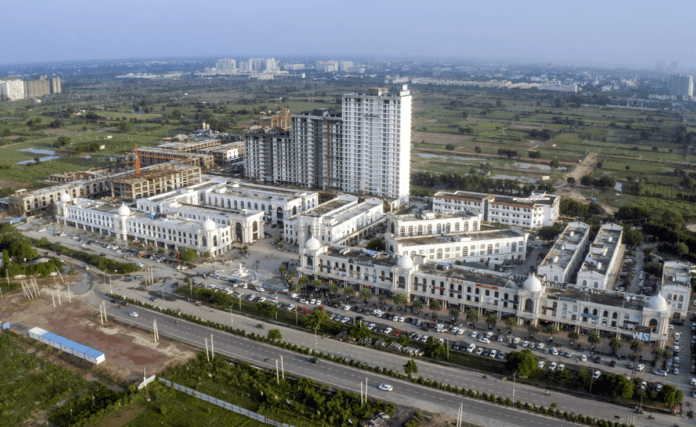
          Faridabad, a burgeoning city in Delhi NCR, is on the cusp of a monumental transformation, and the driving force behind this growth is the upcoming Jewar Airport. With its proximity—just a 20-minute drive from Faridabad—this international airport promises to revolutionise connectivity, cutting down travel time to the Indira Gandhi International Airport (IGI) significantly. As one of India’s largest airports, it is poised to handle 12 million passengers annually, which will substantially elevate Faridabad’s status as a key player in the real estate market. This strategic location has already caught the attention of investors, entrepreneurs, and global corporations, boosting economic activity across the region.

          The rapid pace of infrastructure development is another critical factor in Faridabad’s rise as an attractive real estate destination. Key projects such as the FNG Expressway and the Delhi-Mumbai Expressway are expected to shorten commute times and improve connectivity to major NCR hubs. Furthermore, the extension of the Delhi Metro is enhancing accessibility, making Faridabad more appealing to both residential and commercial buyers. These infrastructure projects, coupled with Jewar Airport’s development, are creating a robust foundation for real estate growth, pushing property values higher and attracting both homebuyers and businesses.

          Residential demand is also expected to skyrocket in the next few years, with forecasts suggesting that over 30,000 professionals will flock to the city as the region’s commercial prospects expand. The affordable property prices, coupled with a thriving job market, make Faridabad an appealing option for new homebuyers. In response to this demand, developers are introducing an array of residential projects that offer a balance between modern amenities and sustainable living. Faridabad’s growth is not just about business expansion; it’s about making the city more livable and creating a sustainable urban environment that caters to the growing population.

          Sustainability is at the heart of this transformation. As part of India’s Smart Cities Mission, Faridabad is focusing on green spaces, energy-efficient infrastructure, and eco-friendly urban planning. With these initiatives, the city is aligning with global trends in sustainable urban development. These efforts not only improve the quality of life for residents but also make Faridabad an attractive destination for environmentally conscious investors. In a region that is rapidly evolving, the integration of sustainability into Faridabad’s urban planning ensures that its real estate market grows in a balanced, long-term manner, contributing to a resilient economy and community.

          Maharashtra Government to Revise Proposal for Vertical Property Cards

            0
            Maharashtra Government to Revise Proposal for Vertical Property Cards
            Maharashtra Government to Revise Proposal for Vertical Property Cards

            Maharashtra government is revising its proposal for vertical property cards, specifically targeting flat owners. This initiative aims to address the growing need for accurate property records in urban and rural areas, especially as vertical expansion in cities increases.

            The revised vertical property card will serve as a comprehensive document that includes essential details such as ownership rights, carpet area measurement, and information about any bank loan secured against the property. This card is set to act as an independent record of rights, providing a clear and legally recognized register for individual residential apartments. Since 2023, the concept of vertical property cards has been under discussion, with the government planning its implementation after revisions were submitted ahead of the Lok Sabha elections. The move, under the leadership of Chief Minister Devendra Fadnavis, marks a significant shift in how property rights and documentation are managed across the state. A revenue official involved in the project highlighted that the new system would enhance transparency, reduce fraudulent property activities, and simplify property transactions. The vertical property card will complement the existing property cards (7/12 extract) in rural areas and urban land property cards, marking a transition to a more robust and efficient property management system.

            This initiative is seen as a game-changer for property owners and potential buyers, particularly in apartment complexes, where no separate documentation currently exists for individual flats within a building. By implementing vertical property cards, the state aims to reduce risks associated with property transactions, making it easier and safer to buy and sell flats. The revised proposal also suggests the introduction of this system on a phased basis, starting with projects registered with the Maharashtra Real Estate Regulatory Authority (MahaRERA). Citizen activists, such as S. Joshi, have praised the initiative, seeing it as a much-needed step toward simplifying property ownership verification and improving the real estate market’s transparency.

            TARC Pledges Full Cooperation as SEBI Launches Financial Audit

              0
              TARC Pledges Full Cooperation as SEBI Launches Financial Audit
              TARC Pledges Full Cooperation as SEBI Launches Financial Audit

              TARC Ltd., a prominent real estate developer, has committed to fully cooperating with the Securities and Exchange Board of India (SEBI) as the regulator initiates a financial audit of the company. Amar Sarin, the Managing Director and CEO of TARC, reassured stakeholders of the company’s operational resilience and financial stability, emphasizing that the ongoing forensic audit would not disrupt its strategic plans or operations.

              In a statement, Sarin said, “Together as a team, we continue to build on the values that define TARC’s journey while extending our full cooperation to SEBI and the forensic auditors.” The company expressed confidence that its financial foundation remains robust, even as it undergoes the scrutiny of SEBI’s audit. Despite the financial audit, TARC remains optimistic about its future. The company is focused on the ongoing development and launch of luxury residential projects across prime locations in Delhi and Gurugram. With a growing demand for luxury housing in these regions, TARC believes it is well-positioned to capitalize on emerging opportunities, leveraging its strong project pipeline.

              TARC’s ability to execute projects efficiently and deliver on time has allowed it to maintain strong cash flows from ongoing and upcoming developments. This financial strength, combined with strategic project execution, will help the company weather any challenges posed by the audit and continue on its path to growth. As TARC continues to focus on its expansion in the luxury real estate sector, its commitment to transparency and full cooperation with SEBI underscores its dedication to maintaining the trust of investors, partners, and stakeholders.

              I-T Department Raids 52 Premises of Builders and Brokers in Madhya Pradesh

                0
                I-T Department Raids 52 Premises of Builders and Brokers in Madhya Pradesh
                I-T Department Raids 52 Premises of Builders and Brokers in Madhya Pradesh

                The Income-Tax (I-T) Department launched a series of raids on 52 premises across Bhopal, Indore, and Gwalior on Wednesday, targeting builders and land brokers involved in suspicious financial activities. These raids are part of an ongoing investigation into illegal land deals and financial misconduct within the real estate sector in Madhya Pradesh.

                A large portion of the raids took place in Bhopal, with 49 properties searched, while two were located in Indore. Among those targeted were prominent figures in the construction and land brokerage industry, including well-known builder Rajesh Sharma, who has ties to high-ranking political figures. Sharma is notably associated with the construction of CM Rise Schools, a project awarded to him in Raisen. During the raids, the I-T team seized Rs 3 crore in cash, including Rs 1.2 crore from another builder. Along with the cash, the authorities also confiscated a variety of documents, mobile phones, and computer hard disks that are expected to provide further evidence of illicit transactions. Additionally, investigators uncovered 10 lockers under Sharma’s name, which contained valuable assets, including jewellery, the valuation of which is still pending.

                The raids also extended to other property dealers such as Deepak Bhavsar, Vinod Agarwal, and Rupam Shivani, who are known for their involvement in land transactions and investments in the hospitality sector. This investigation highlights the ongoing efforts of the I-T Department to clamp down on illegal land dealings and ensure transparency in the real estate industry. The seizures and evidence collected in these raids are expected to play a key role in uncovering the full scope of financial irregularities and connections between builders, brokers, and influential political figures.