Home Blog Page 455

Why Office Real Estate is a Smart Investment

0
Why Office Real Estate is a Smart Investment

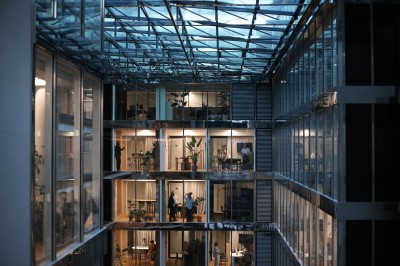
In the ever-evolving landscape of commercial real estate, office properties continue to stand out as one of the most lucrative and stable investment options. Despite the challenges presented by the COVID-19 pandemic, which caused disruptions in the way businesses operated, the office real estate market is showing signs of resilience. This sector offers significant opportunities, particularly as businesses and industries transition back to in-person work and hybrid models. For investors, office spaces provide long-term returns and the potential for steady cash flow through rental income.

One of the key factors driving the attractiveness of office real estate is its potential for high yields compared to other types of property investments. With businesses requiring physical spaces to operate efficiently, demand for commercial office spaces, particularly in prime locations, is expected to remain strong. Moreover, with an increasing focus on sectors such as technology, finance, and consulting, the demand for premium office spaces in urban areas is anticipated to increase. Cities like Bengaluru, Mumbai, and Delhi continue to be hotspots for high-end office spaces, offering attractive returns on investment for commercial property owners.

Beyond monetary benefits, office real estate presents an opportunity to engage with the evolving landscape of urban development and sustainability. Many investors are now seeking office spaces that meet green building standards, such as LEED or BREEAM certifications. These properties not only offer energy efficiency and lower operational costs but also attract tenants who value sustainability in their work environments. With the global shift towards environmental consciousness, there is growing interest in office spaces designed with sustainable practices, making them more desirable and future-proof investments.

Additionally, office real estate plays a significant role in the overall development of cities and communities. Urban areas benefit from the influx of investment in office buildings, which leads to job creation and improved infrastructure. However, to ensure the success and longevity of such investments, it’s crucial that developers focus on the long-term sustainability of office buildings, integrating renewable energy solutions, waste reduction practices, and other eco-friendly measures. As the market continues to evolve, the commercial office space sector will not only provide profitable returns but also contribute to the creation of sustainable, resilient urban environments.
Commercial Real Estate Market Begins to Bounce Back

0
Commercial Real Estate Market Begins to Bounce Back

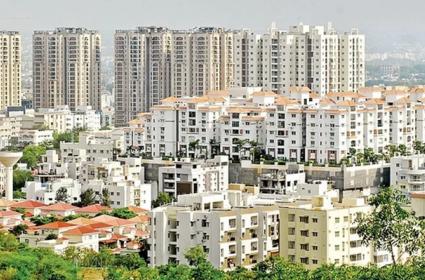
The commercial real estate market in India, which took a significant hit during the pandemic, is finally beginning to show signs of recovery. According to recent reports, demand for office space and commercial properties has picked up pace, marking a positive turn after a prolonged period of stagnation. As businesses return to normalcy, commercial leasing activity has surged in major cities such as Delhi, Mumbai, Bengaluru, and Hyderabad. The renewed optimism in the market is a direct reflection of the improving economic conditions and the return of confidence among investors.

In the last few quarters, leasing activity has been particularly strong in Grade-A office spaces, with multinational corporations and tech companies leading the charge. Flexible workspaces are also gaining popularity, as businesses look for solutions that offer scalability without long-term commitments. According to reports, the total leasing volume in major cities has increased by 15% year-on-year, with the demand primarily driven by the IT and services sectors. The shift towards hybrid working models has also contributed to the demand for more adaptable office solutions.

From an economic perspective, the resurgence in commercial real estate signals an important milestone for India’s broader recovery post-pandemic. However, the market remains cautious, and experts stress the need for sustained growth to ensure that this recovery is not short-lived. While demand is rising, the supply of high-quality office space still lags behind the requirements of many businesses. Developers are now under pressure to meet the growing demand with an emphasis on sustainable design, energy efficiency, and modern amenities.

From a sustainability standpoint, the revival of commercial real estate presents an opportunity to integrate green building practices and sustainable urban development. As more businesses prioritise eco-friendly solutions, there is a growing demand for LEED-certified buildings and energy-efficient office spaces. Developers are increasingly adopting sustainable building materials and technologies, which could potentially reduce the carbon footprint of the sector. As India moves towards a greener future, the commercial real estate market plays a crucial role in shaping a more sustainable urban landscape. By focusing on long-term, eco-conscious solutions, the industry can ensure that this recovery supports not just economic growth, but also environmental well-being.

Telangana’s Real Estate Crisis Hydra Fears Undermine Investor Confidence

0
Telangana’s Real Estate Crisis Hydra Fears Undermine Investor Confidence

Hyderabad: Telangana’s real estate sector is facing a significant downturn, and AIMIM MLA Asaduddin Owaisi has pointed to a series of factors, particularly the fear surrounding the term “Hydra,” which has created a sense of unease among potential investors. The political landscape and economic uncertainties, he claims, have contributed to an atmosphere of fear that is undermining confidence in the state’s property market. These concerns, according to Owaisi, are largely fuelled by attempts to tarnish the image of the Telangana government, exacerbating the state’s investment woes.

Owaisi’s criticism of the situation underscores the severity of the problem. He noted that Telangana has seen a notable decline in real estate investments, a trend that shows no sign of reversing. The issue of “Hydra” – which could refer to a speculative economic or political risk, or an internal challenge within the state – has, in Owaisi’s view, instilled fear in investors, both domestic and international. As a result, the property market has experienced stagnation, with fewer deals being made and projects left unstarted.

The implications of this stagnation extend beyond just the real estate sector, with broader economic consequences for the state. Owaisi has urged the state government to take immediate action to rebuild trust and address these fears. By improving the state’s economic environment and offering clear assurances to investors, Telangana could potentially reverse its current real estate slump. The image of the state must be restored to facilitate greater economic growth, particularly in sectors like real estate, which are critical to urban development.

From a sustainability perspective, the downturn in the real estate sector could have long-term effects on urban development and infrastructure. Telangana, especially its capital city Hyderabad, has seen rapid urbanisation over the past decade. If this investment decline continues, it could impact efforts towards sustainable urban planning, where private-sector investment is often crucial to funding projects like affordable housing, green spaces, and infrastructure development. As the state struggles to regain investor confidence, ensuring sustainable growth remains a critical focus for local authorities.

While the current political uncertainty and Hydra-related fears pose challenges, the long-term success of Telangana’s real estate sector will depend on addressing these issues head-on and restoring a sense of stability and trust in the market.

Actor Manish Paul Leases Office for ₹2 Lakh

Actor Manish Paul Leases Office for ₹2 Lakh
Actor Manish Paul Leases Office for ₹2 LakhActor Manish Paul Leases Office for ₹2 Lakh

Television host and actor Manish Paul has recently ventured into Mumbai’s dynamic commercial real estate market, leasing out an office space in Andheri West for ₹2 lakh per month. Spanning 1,200 sq. ft. in the Morya Grand complex, a ready-to-move-in project developed by Nakta Investment Pvt Ltd, this deal reflects Paul’s strategic foray into commercial property management. The office space, which he acquired in September 2023 for ₹2.25 crore, will be leased for a two-year period, with the rent structured to increase after the first year, rising to ₹2.14 lakh per month.

The Morya Grand project, part of a larger development covering 0.69 acres, is situated in one of Mumbai’s prime commercial areas. Andheri West, with its excellent connectivity to the Western Express Highway and the Mumbai Metro, has become a preferred destination for commercial real estate, especially for businesses seeking accessibility to Bandra, Juhu, and the city’s airports. Paul’s move follows a broader trend among Bollywood celebrities, who are increasingly viewing commercial real estate as a lucrative investment opportunity, offering higher rental yields compared to residential properties.

This leasing deal also underscores the growing demand for commercial spaces in Mumbai. While commercial properties in areas like Andheri West have traditionally been seen as high-value investments, the celebrity influence continues to drive their desirability. Other high-profile celebrities, including Madhuri Dixit, Ajay Devgn, and Amitabh Bachchan, have also made notable moves in the commercial real estate space, with properties leased or purchased for lucrative returns. For instance, Ajay Devgn’s lease deal in Andheri West commands ₹9 lakh in monthly rent.

However, amidst the growing popularity of commercial properties, there’s an increasing focus on the sustainability angle. As Mumbai continues to urbanise, the environmental impact of large commercial developments is under scrutiny. Sustainable building practices, such as energy-efficient designs, water conservation systems, and green certifications, are becoming a priority for developers and investors alike. With Mumbai’s commercial property market witnessing exponential growth, it is essential that developers integrate environmentally responsible solutions to ensure long-term sustainability, both economically and environmentally.

Manish Paul’s office lease highlights a broader trend of celebrity-driven investments in commercial spaces in Mumbai. As demand for premium commercial real estate continues to rise, the need for responsible urban planning and sustainable development is more urgent than ever.

Sholinganallur Real Estate Surge Over 5,000 Units Coming Amid Infrastructure Concerns

0
Sholinganallur Real Estate Surge Over 5,000 Units Coming Amid Infrastructure Concerns

Sholinganallur, once primarily known as a haven for IT professionals, is undergoing a remarkable transformation. Positioned along the bustling Old Mahabalipuram Road (OMR) corridor in South Chennai, the area is witnessing an influx of high-end residential projects. By next year, over 5,000 units in high-rise buildings will be added to the market, catering to both IT and non-IT buyers. As the real estate boom accelerates, especially with enhanced metro connectivity, Sholinganallur is rapidly becoming a preferred choice for homebuyers, particularly from nearby areas like East Coast Road (ECR).

Over the past few years, the Sholinganallur real estate market has exhibited impressive growth. Between 2018 and Q3 of 2024, approximately 8,300 residential units were launched, with 69% still under construction. This surge reflects a steady demand, especially in the mid-segment price range of Rs 40 lakh to Rs 80 lakh, which accounted for 66% of new launches. However, a shift is also visible, with demand now growing for more luxurious properties priced between Rs 1 crore to Rs 2.5 crore. This upward trend signals that Sholinganallur is evolving beyond its IT-centric identity to attract a broader range of buyers.

Despite the growth, residents are voicing concerns about the local infrastructure. While Sholinganallur was integrated into the Greater Chennai Corporation 13 years ago, critical issues like inadequate water supply, sewage connections, and roads remain unresolved. “The infrastructure hasn’t kept pace with the area’s rapid development, and there’s a growing need for better sewage and water systems,” said D. Raman, President of the Confederation Sholinganallur Residents Welfare Association. Furthermore, the absence of underground power lines has caused frequent accidents, highlighting the need for urban planning reforms to match the area’s development.

From a sustainability perspective, Sholinganallur’s rapid expansion raises questions about the environmental impact of new high-rise developments. While the demand for modern, spacious apartments remains high, the challenge lies in ensuring that the local infrastructure and environment can support such growth. Urban planners must focus on integrating sustainable practices, such as eco-friendly construction materials, water conservation systems, and waste management, to ensure that Sholinganallur’s future remains balanced between development and environmental responsibility.

Sholinganallur’s real estate boom is undoubtedly a success story of urban expansion, yet the growing pains of the locality are evident. The push for more residential units must be coupled with urgent infrastructural upgrades to ensure long-term sustainability and quality of life for residents.

Bollywood Celebrities Make Headlines with Real Estate Deals in 2024

    0
    Bollywood Celebrities Make Headlines with Real Estate Deals in 2024
    Bollywood Celebrities Make Headlines with Real Estate Deals in 2024

    In 2024, Bollywood’s elite have once again made waves in the Indian real estate market, with several high-profile acquisitions and strategic sales. The year has witnessed a diverse range of property deals, from luxury purchases to smart asset monetisation. These moves not only highlight the growing appeal of real estate among India’s film industry icons but also reflect the shift towards real estate as a key component of wealth management for celebrities.

    Veteran actor Amitabh Bachchan made headlines with the purchase of a sprawling luxury property this year. Known for his iconic status both on and off-screen, Bachchan’s move into the high-end real estate market reinforces his stature as a savvy investor. His decision is part of a broader trend where celebrities leverage their wealth to diversify into the booming luxury real estate market, which continues to see an influx of both domestic and international investors.

    On the other end of the spectrum, actress Kangana Ranaut took a more strategic approach, opting to sell a prized property. This move sparked considerable media interest as it highlights the growing trend among celebrities to monetise their assets in a changing economic landscape. The sale of high-value properties allows celebrities to capitalise on their investments, while also creating room for new opportunities in both the real estate and entertainment sectors.

    The real estate moves of Bollywood stars like Sara Ali Khan, who recently invested in a luxury apartment in Mumbai, reflect a larger cultural shift where younger generations of actors are also jumping on the real estate bandwagon. With Mumbai’s real estate market continuing to be a hotbed for investment, these stars are clearly tapping into the financial benefits of the industry. From a sustainability perspective, however, it is essential to note the environmental implications of luxury developments, particularly in urban spaces. As more celebrities invest in lavish properties, there is an increasing call for eco-friendly building practices that balance growth with environmental stewardship.

    Bollywood’s real estate ventures underscore the larger trend of diversification among Indian celebrities, with the property market becoming a key component in their investment portfolios. These strategic moves, whether purchases or sales, reflect not only personal wealth management but also the growing role of real estate as a critical pillar of financial planning in the celebrity world.

    NearEstate.in Revolutionises Virtual Real Estate with 1500+ Listings

    0
    NearEstate.in Revolutionises Virtual Real Estate with 1500+ Listings
    NearEstate.in Revolutionises Virtual Real Estate with 1500+ Listings

    NearEstate.in, a trailblazing PropTech startup based in Hyderabad’s T-Hub, has achieved a significant milestone by surpassing 1500 RealView360° property listings on its immersive platform. This achievement underscores the growing demand for technology-driven solutions that enhance the property-buying experience, both in India and globally. By incorporating cutting-edge virtual reality (VR) and geospatial mapping, NearEstate.in offers a truly immersive property viewing experience that allows prospective buyers and renters to explore properties from the comfort of their own homes.

    The flagship RealView360° feature enables users to virtually walk through properties, examining every detail from layout to lighting, while also exploring the surrounding neighbourhoods. This 360° view offers a more informed, detailed, and transparent way of viewing properties, which has become essential for modern buyers seeking clarity before making significant decisions. As a result, NearEstate.in is catering to the evolving needs of today’s real estate market, where consumers increasingly value convenience, transparency, and technology in their property search.

    For real estate developers and agents, the platform provides a powerful marketing tool that enhances property listings and attracts a more engaged audience. The ability to offer virtual tours has proven invaluable for out-of-town buyers, international investors, and local home seekers, allowing them to explore properties remotely, saving both time and money. The immersive nature of these tours also helps listings stand out, improving conversion rates and streamlining the sales process. As NearEstate.in grows, its potential to transform real estate marketing and transactions continues to expand.

    Looking towards the future, NearEstate.in is set to integrate augmented reality (AR) capabilities and predictive analytics into its platform, further enhancing the user experience. These innovations will help buyers make more data-driven decisions and create even more value for sellers. With its rapid growth and commitment to digital-first solutions, NearEstate.in is poised to play a pivotal role in the evolution of real estate exploration and transactions, creating a seamless bridge between buyers and their dream properties. Furthermore, this digital approach aligns with sustainability goals by reducing the need for physical site visits, thus lowering carbon footprints and contributing to a more environmentally conscious property market.

    South India’s Real Estate Boom Amaravati, Guntur, Vijayawada on the Rise

      0
      South India's Real Estate Boom Amaravati, Guntur, Vijayawada on the Rise
      South India's Real Estate Boom Amaravati, Guntur, Vijayawada on the Rise

      In 2024, South India’s real estate sector is experiencing a remarkable transformation, with Amaravati, Guntur, and Vijayawada emerging as the most sought-after locations for homebuyers. According to recent insights from Magicbricks, a leading real estate portal, these cities have seen substantial year-on-year (YoY) growth in residential property searches. Amaravati led the charge with a staggering 49.1% YoY increase, while Guntur and Vijayawada followed closely with growth rates of 38.27% and 31.95%, respectively.

      This surge in demand, however, has created a significant mismatch with the supply of residential properties. Data reveals a notable drop in listings across these cities—Amaravati saw a 6.7% decrease, Guntur a 22.57% drop, and Vijayawada experienced an 18.46% reduction in available properties. The resulting supply shortage has driven up residential prices across the region. As of the third quarter of 2024, Vijayawada recorded a sharp 20.06% increase in average residential prices, reaching Rs 5,759 per square foot (psf). Guntur’s prices rose by 3.27% to Rs 4,962 psf, while Amaravati saw a 3.29% hike to Rs 4,470 psf.

      The growing demand in these cities reflects broader trends in South India’s urban development. Investors and homebuyers are increasingly drawn to these areas due to improving infrastructure, connectivity, and economic opportunities. In particular, the cities of Amaravati and Guntur are benefitting from the ongoing development of smart city projects, which has further boosted their appeal. This wave of growth is not only reshaping the real estate landscape but is also driving broader economic shifts within the region.

      Sustainability, however, remains a crucial aspect of this rapid urban development. As these cities expand, ensuring that the growth is both environmentally and socially sustainable is key. Real estate developers and local authorities must focus on green building standards, efficient waste management, and eco-friendly infrastructure to ensure that the cities remain livable and resilient in the face of rapid population growth. While the economic boom in these cities is promising, long-term sustainability must be prioritised to avoid potential strain on resources and infrastructure. As urbanisation continues to surge, the focus on sustainable development will be pivotal in balancing growth with environmental responsibility.

      Role of Diversity and Inclusivity in Real Estate Workplaces

      0
      Role of Diversity and Inclusivity in Real Estate Workplaces
      Role of Diversity and Inclusivity in Real Estate Workplaces

      The real estate sector has long been associated with high-value assets and strategic development. However, as the industry evolves, there is a growing recognition that success is increasingly tied to the people behind the projects. Diversity and inclusivity have become integral components of a thriving workplace, enabling companies to foster innovation, productivity, and employee satisfaction.

      As companies within the real estate industry expand their operations, they are increasingly prioritising the human element. A diverse workforce not only reflects the dynamic nature of the market but also provides fresh perspectives, critical to addressing the evolving needs of clients and stakeholders. According to industry surveys, companies that prioritise diversity are 35% more likely to outperform their competitors in terms of profitability and value creation. Gender equality, ethnic diversity, and inclusive hiring practices are just some of the ways in which real estate firms are building a better workplace environment, focused on collaboration, creativity, and growth.

      Creating inclusive environments goes beyond hiring diverse talent. It is about embedding inclusivity into the company culture. This means fostering an atmosphere where all employees feel valued, respected, and supported. Real estate leaders are increasingly recognising that inclusivity leads to higher employee retention, improved team dynamics, and a stronger sense of loyalty. A sense of belonging is vital for employee well-being, and as research suggests, happier employees are more productive, directly impacting business outcomes.

      Sustainability in the workplace is also a critical facet of this shift. In the context of real estate, sustainability is not just about green buildings but also about fostering sustainable, inclusive workspaces. Companies are realising that a diverse and inclusive workforce contributes to long-term sustainability goals, from creating equitable opportunities to designing workspaces that cater to diverse needs. As urban centres expand and modernise, the push for diversity and inclusivity in real estate is crucial, ensuring a better future for the industry and society.

      NGT Forms Panel to Investigate Illegal Groundwater Extraction in Delhi’s Kamla Nagar

        0
        NGT Forms Panel to Investigate Illegal Groundwater Extraction in Delhi's Kamla Nagar
        NGT Forms Panel to Investigate Illegal Groundwater Extraction in Delhi's Kamla Nagar

        The National Green Tribunal (NGT) has taken swift action by forming a panel to investigate allegations of illegal groundwater extraction in north Delhi’s Kamla Nagar. This move comes after a plea was filed claiming that two individuals, involved in the construction of large-scale commercial buildings on Bungalow Road, were illegally extracting groundwater using borewells.

        In its order on December 11, 2024, the NGT bench, led by Justice Prakash Shrivastava and expert member A Senthil Vel, emphasized the need to ascertain the facts surrounding this issue. The tribunal appointed a joint committee, consisting of representatives from the Central Pollution Control Board (CPCB) and the Delhi Jal Board (DJB), to conduct a thorough investigation. The committee has been tasked with visiting the site, determining the number of borewells installed, and verifying whether the required permissions from competent authorities were obtained for groundwater extraction. The committee is expected to submit its findings within six weeks. The NGT’s order also directs responses from various concerned authorities, including the Delhi Pollution Control Committee (DPCC), the sub-divisional magistrate of Burari, MCD, the Central Groundwater Authority, and the Central Groundwater Board. Additionally, the Roop Nagar police station has been instructed to provide their inputs on the matter.

        This case highlights growing concerns about unsustainable groundwater use in urban areas, particularly in high-density construction zones. The NGT’s proactive stance underscores its commitment to ensuring environmental protection and the responsible management of natural resources. As the investigation progresses, the findings could have significant implications for the regulation of groundwater extraction in Delhi, especially as urbanization continues to intensify. The NGT’s focus on both private and governmental responsibility in such matters signals a stronger commitment to safeguarding Delhi’s water resources and curbing environmental exploitation.