Home Blog Page 473

Porur’s Evolution Driving Chennai’s IT and Real Estate Growth

0
Porur’s Evolution Driving Chennai’s IT and Real Estate Growth

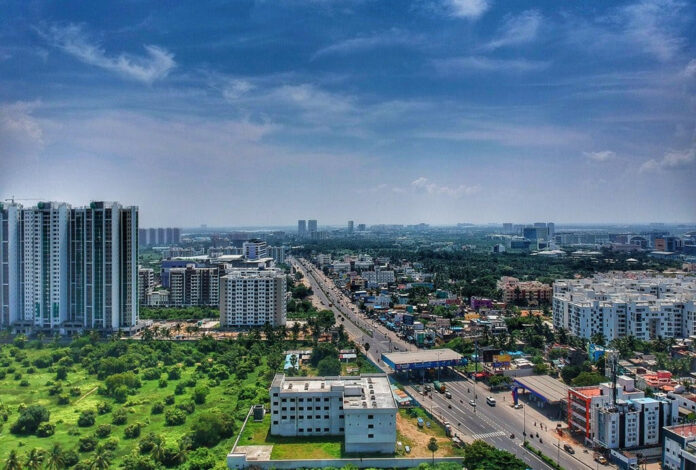
In the rapidly urbanising expanse of Chennai, Porur has emerged as a transformative force, often termed as OMR 2.0. This burgeoning locality, once a quiet suburb, has grown into a vibrant hub for IT, manufacturing, and healthcare industries, presenting itself as a credible alternative to Old Mahabalipuram Road (OMR). With its unique blend of residential and commercial appeal, Porur is reshaping the urban dynamics of Chennai and contributing to its economic narrative.

The transformation of Porur is anchored in its strategic location, close to the Chennai-Bangalore Highway, and its seamless connectivity to industrial corridors. The establishment of significant IT infrastructure, including DLF IT Park, housing global tech giants such as IBM, TCS, and Cognizant, has been pivotal. Unlike the IT-centric growth of OMR, Porur hosts a diversified industrial base with manufacturing and healthcare also thriving, ensuring resilience against sector-specific downturns. This diversification not only creates a broader employment spectrum but also attracts a varied talent pool.

Porur’s real estate sector is mirroring its commercial success. The demand for housing has surged, with developers introducing projects that cater to both mid-income and luxury segments. Comparatively more affordable than OMR, Porur’s residential properties offer an attractive investment opportunity, particularly for young professionals and families. Civic enhancements, such as better roads and improved public services, have further fuelled this growth, creating a more inclusive urban environment.

Sustainability remains a pressing challenge amidst Porur’s rapid urbanisation. While its growth has enhanced employment and real estate opportunities, the pressure on natural resources and public infrastructure is mounting. Initiatives for sustainable urban planning, green building certifications, and waste management are essential to ensure Porur’s development remains aligned with environmental goals.
India’s Real Estate Sector Faces Challenges Amid High Base Effect

    0
    India’s Real Estate Sector Faces Challenges Amid High Base Effect
    India’s Real Estate Sector Faces Challenges Amid High Base Effect

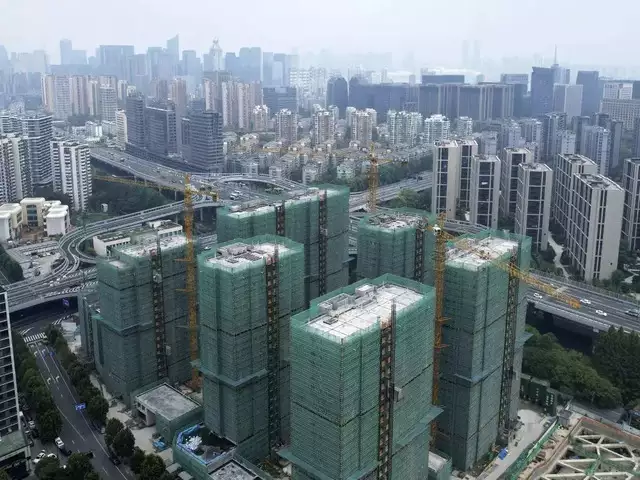
    India’s real estate sector, celebrated for its resilient growth trajectory in recent years, faces a potential slowdown due to the high base effect. This phenomenon, resulting from record-breaking sales volumes during the post-pandemic recovery, is likely to hamper the sector’s ability to sustain strong growth momentum. Industry experts indicate that while demand remains robust, the comparative growth percentages may appear subdued, creating a perception of stagnation.

    The housing market has experienced unprecedented sales in the last few years, fuelled by low interest rates, increased disposable incomes, and pandemic-driven preferences for larger homes. However, this growth trajectory has set a challenging benchmark. Developers are now grappling with elevated expectations, as achieving incremental gains becomes increasingly difficult. For instance, the National Capital Region (NCR) and Mumbai Metropolitan Region (MMR) reported record-breaking sales in 2022, making 2023’s performance appear moderate in comparison.

    From a civic perspective, the slowdown could affect urban expansion plans. Cities reliant on real estate development as a driver of infrastructure growth may see delays in projects aimed at enhancing urban living standards. Housing for mid-income buyers might also bear the brunt, as developers shift focus to luxury segments to sustain margins. The disparity in affordability and availability may widen, impacting the inclusivity of urban housing.

    Sustainability remains a pivotal concern amidst this evolving landscape. With the sector aiming to achieve greener practices, high sales volume in previous years offered opportunities for incorporating eco-friendly technologies. A deceleration in growth could risk derailing these efforts, highlighting the need for a balanced approach that aligns sales with sustainable development goals.


    ORERA Tightens Grip Show-Cause Notice Issued to Defiant Real Estate Developer

      0
      ORERA Tightens Grip Show-Cause Notice Issued to Defiant Real Estate Developer
      ORERA Tightens Grip Show-Cause Notice Issued to Defiant Real Estate Developer

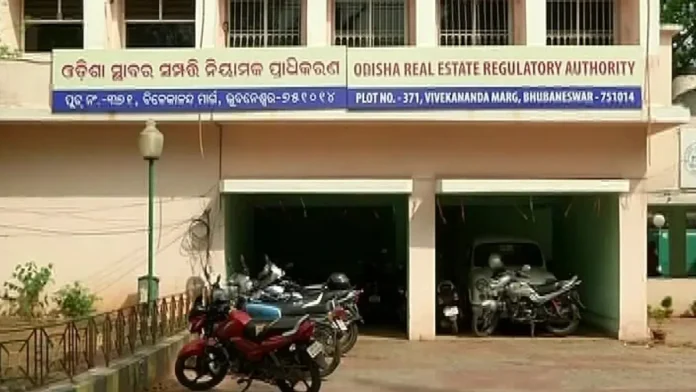
      Odisha Real Estate Regulatory Authority (ORERA) has intensified its crackdown on errant real estate developers, targeting Vipul Limited, a prominent builder in Ghatikia, Bhubaneswar. A show-cause notice has been issued to the company, warning its managing director of potential arrest due to non-compliance with ORERA’s previous directives. The Certificate Officer-cum-ADM Bhubaneswar has mandated the developer to submit a response by December 31, highlighting ORERA’s resolve to enforce accountability within Odisha’s real estate sector.

      Vipul Limited, associated with the Vipul Galleria project, has been under scrutiny for its alleged failure to adhere to regulatory orders. This marks a significant step by ORERA to address growing concerns about developers’ disregard for legal and ethical obligations, which have left several homebuyers in distress. The housing sector in Odisha has witnessed a series of complaints over delayed projects and unfulfilled promises, with ORERA acting as a watchdog to ensure compliance and justice for aggrieved buyers.

      This situation reflects broader issues within the state’s real estate industry, where non-compliance with regulatory orders risks undermining investor confidence. Similar cases across India highlight the importance of real estate authorities like ORERA in maintaining sector integrity. Buyers, many of whom invest their life savings, depend on these bodies to hold developers accountable and safeguard their interests.

      From a sustainability perspective, regulatory compliance not only ensures legal adherence but also encourages practices aligned with ethical development and urban planning. Enforcement of such regulations can contribute to long-term urban sustainability by promoting responsible construction practices and protecting buyers’ rights. The Ghatikia case underlines the urgent need for a balanced approach to real estate growth, ensuring both development and adherence to legal frameworks.

      VanTrust Real Estate unveils plans for a 32-acre industrial warehouse complex in Utah

      0
      VanTrust Real Estate unveils plans for a 32-acre industrial warehouse complex in Utah
      VanTrust Real Estate unveils plans for a 32-acre industrial warehouse complex in Utah

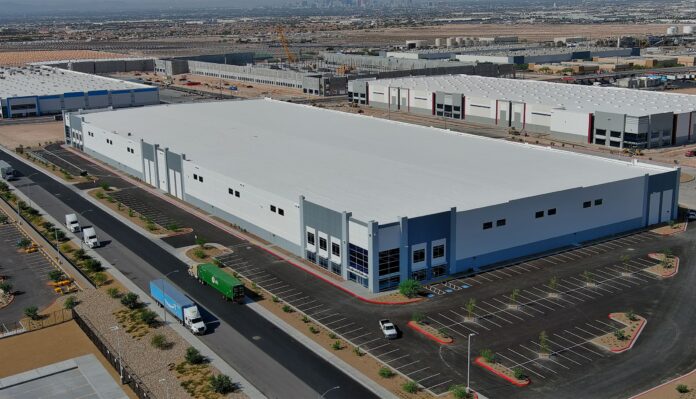
      VanTrust Real Estate has acquired a 32-acre site at 5998 West Parkway Blvd in West Valley City, Utah, to develop a cutting-edge industrial warehouse complex. Strategically located near key transport arteries like State Route 201, Interstate 80, and Salt Lake City International Airport, the site provides unmatched access to Utah’s logistics hub, famously dubbed the “Crossroads of America.” This connectivity positions the development as a critical addition to the region’s growing logistics and industrial sector.

      The project will deliver 600,000 square feet of Class A industrial space through four buildings. Construction of the first two facilities is set to commence in late spring 2025, with completion anticipated by spring 2026. The timeline for the remaining two buildings is yet to be finalised. VanTrust has partnered with Colliers’ Tom Freeman and Travis Healy to oversee leasing, as demand for industrial facilities in the Salt Lake Valley continues to soar. This aligns with the region’s status as one of the fastest-growing economies in the United States, driven by its strategic location and robust logistics infrastructure.

      Chris McCluskey, Executive Vice President of Development for Salt Lake City at VanTrust, expressed enthusiasm for the site, citing the company’s expertise in industrial properties. The project reinforces West Valley City’s prominence in the logistics landscape while addressing a nationwide surge in demand for premium warehouse spaces.

      VanTrust’s commitment to sustainability will be integral to the project, with potential eco-friendly design elements such as energy-efficient building materials and optimised logistics systems aimed at reducing environmental impact. Sustainable practices not only meet rising environmental expectations but also contribute to Utah’s broader goals of balancing economic growth with ecological responsibility.

      This acquisition underscores VanTrust’s nationwide growth, with its portfolio surpassing $7 billion and spanning over 68 million square feet of diversified real estate projects. The Salt Lake Valley development strengthens the company’s position in a thriving market while addressing the logistics industry’s evolving needs.

      Transforming Real Estate Investment Across India’s Growing Cities

        0
        Transforming Real Estate Investment Across India’s Growing Cities
        Transforming Real Estate Investment Across India’s Growing Cities

        India’s evolving urban landscape is witnessing a transformative shift in real estate investment. With a mission to empower individuals to confidently build wealth, a new wave of innovation is combining cutting-edge technology and strategic insights to simplify real estate transactions. This approach aims to bridge the gap between complex property dealings and aspiring investors, particularly in emerging cities poised for exponential growth.

        India’s Tier-II and Tier-III cities have become focal points for real estate growth, offering significant opportunities for affordable housing and commercial spaces. Innovations in proptech have enabled platforms to streamline processes, ensuring transparency and efficiency. By leveraging artificial intelligence, blockchain, and data analytics, these solutions provide investors with tailored property recommendations, accurate valuations, and predictive market trends. Such advancements ensure that first-time buyers and seasoned investors alike can make informed decisions with minimal hassle.

        Urban centres such as Indore, Kochi, and Bhubaneswar are leading the charge, showcasing a growth trajectory surpassing many Tier-I cities. With government initiatives such as Smart Cities and PMAY (Pradhan Mantri Awas Yojana), these areas are becoming hubs for sustainable and inclusive development. However, balancing rapid urbanisation with ecological preservation remains a challenge. Sustainable urban planning, including energy-efficient buildings and green spaces, is critical to ensuring long-term livability and economic viability in these cities.

        From a civic perspective, accessible and affordable housing in emerging cities is vital for equitable growth. Addressing infrastructure gaps such as transportation, water supply, and waste management will further enhance the attractiveness of these regions for investors and residents alike. As India’s real estate market continues to grow, the blend of technology and sustainability promises a more inclusive and dynamic future for the sector.

        Ashar Group’s Bandra Project Achieves ₹500 Crore Sales Milestone

        0
        Ashar Group’s Bandra Project Achieves ₹500 Crore Sales Milestone
        Ashar Group’s Bandra Project Achieves ₹500 Crore Sales Milestone

        Mumbai’s upscale Pali Hill neighbourhood continues to cement its reputation as a hotspot for luxury real estate, with Ashar Group achieving a significant milestone in redeveloping the iconic bungalow of legendary actor Dilip Kumar. The firm has announced ₹500 crore in sales for its luxury project, The Legend by Ashar, just 15 months after its launch. This achievement underscores the growing demand for high-end properties in Mumbai’s coveted locales.

        The redevelopment project, set to include 19 luxury apartments, has already seen four units sold, including high-value triplexes. Among the notable buyers is Apco Infratech Private Limited, which purchased a sea-view triplex for ₹155 crore earlier this year. With a total projected revenue of ₹850 crore, The Legend is poised to redefine luxury living in Bandra, offering opulent homes and exclusive views. The project’s strategic location in Pali Hill adds to its allure, attracting elite clientele seeking both status and serenity in Mumbai’s bustling urban landscape.

        From an urban development perspective, projects like The Legend highlight the challenges of preserving Mumbai’s heritage while addressing the city’s appetite for luxury housing. The redevelopment of iconic structures, such as Dilip Kumar’s bungalow, reflects the delicate balance between modernity and nostalgia in one of India’s most densely populated cities. Civic considerations like infrastructure capacity and community integration remain vital to such endeavours.

        On the sustainability front, high-end developments must incorporate eco-friendly practices, from energy-efficient building materials to sustainable urban planning. As Mumbai grapples with space constraints and environmental challenges, projects like The Legend have the potential to set a precedent for responsible and sustainable luxury living in urban India.

        Rajiv Bajaj’s Trust Acquires Prime Koregaon Park Property for ₹72 Crore

        0
        Rajiv Bajaj, Koregaon Park property, Pune real estate, Rishabh Family Trust, premium property deal, urban greenery, real estate sustainability, high-value property transactions
        Rajiv Bajaj, Koregaon Park property, Pune real estate, Rishabh Family Trust, premium property deal, urban greenery, real estate sustainability, high-value property transactions

        In a notable real estate transaction, the Rishabh Family Trust, led by Rajivnayan Bajaj, Managing Director of Bajaj Auto, has acquired a prime property in Pune’s Koregaon Park for ₹72 crore. The transaction includes a sprawling 1.15-acre plot, a bungalow, and an outhouse, underscoring the trust’s strategic investment in one of Pune’s most upscale neighbourhoods.

        The purchased land spans 4,667.30 square metres, complemented by a built-up area of approximately 1,493.70 square metres (16,079.68 square feet). Rajiv Bajaj, son of the late Rahul Bajaj, a revered industrialist and former chairman of Bajaj Auto, orchestrated the deal under the aegis of the family trust. Deepa Bajaj, wife of Rajiv Bajaj and a trustee, served as the authorised signatory for this high-profile transaction, reflecting the trust’s commitment to expanding its portfolio in premium real estate.

        From a civic and urban perspective, Koregaon Park remains a sought-after location due to its blend of residential charm and commercial vibrancy. The area, known for its green avenues and luxury properties, continues to attract prominent buyers, reinforcing its status as a hub for premium real estate. However, such large-scale acquisitions highlight the pressing challenge of balancing urbanisation with the preservation of green spaces and community infrastructure.

        The sustainability angle cannot be overlooked, as high-value real estate purchases like this often spark discussions on efficient land use and eco-friendly development. Koregaon Park’s legacy of urban greenery makes it imperative for stakeholders to ensure that future developments align with environmental priorities while maintaining the area’s character.

        Chennai’s Valasaravakkam Plot to Be Transformed Into Eco-Park and Lake

          0
          Chennai's Valasaravakkam Plot to Be Transformed Into Eco-Park and Lake
          Chennai's Valasaravakkam Plot to Be Transformed Into Eco-Park and Lake

          A once-neglected, garbage-filled four-acre plot in Chennai’s Valasaravakkam is set to undergo a remarkable transformation into a sprawling lake and eco-park, offering residents a much-needed recreational space.

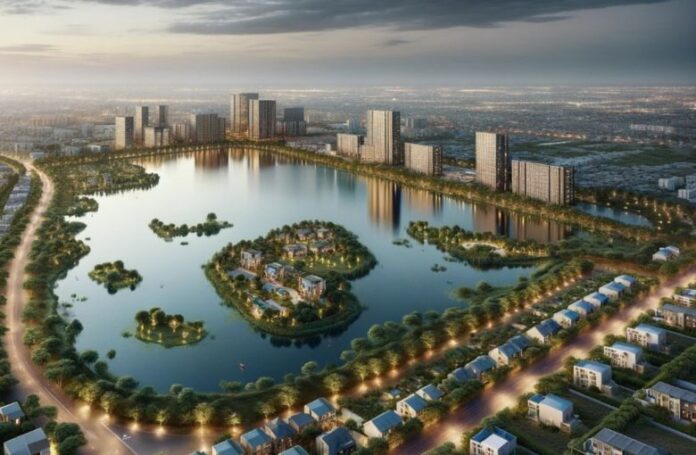
          The Valasaravakkam and Porur areas, home to over 5 lakh residents, have long struggled with flooding, especially during the metro rail construction works. Regular flooding, with knee-deep water on busy roads like the Porur-Vadapalani stretch, has caused traffic snarls. To address this issue, the Greater Chennai Corporation (GCC) has repurposed an abandoned private plot into a vibrant three-acre pond, which is already holding 1.5 million cubic feet of water. Located just 200 meters from Arcot Road on First Main Road, the newly developed Subramania Venkateswara Swamy pond is set to be further developed into an eco-park at an estimated cost of Rs 5 crore. The park will feature multiple tree islands for birds, an elevated bund to prevent encroachment, footpaths, parking areas, an open-air theatre, gazebos, and toilet blocks across a one-acre stretch.

          The initiative stemmed from requests by local residents from 13 streets in the area, including Jai Nagar and Sairram Nagar, who had long sought a solution to the flooding issue. GCC officials identified the private land, acquired it, and swiftly excavated the pond within a month. This pond now serves as a catchment area for road runoff water and will include interception channels to filter stormwater drainage (SWD) before allowing the clean water to enter. In addition to its ecological benefits, the park will feature recreational facilities like boating, similar to the Chetpet Lake, with hopes to boost local tourism. This project aims to enhance the neighbourhood’s quality of life by providing residents with a green oasis that could also attract visitors. Local residents have requested additional measures for the pond’s protection, including boundary walls and waste disposal management to prevent garbage dumping and encroachment. Authorities are also considering installing gates, arches, and a watchman for added security.

          Rajasthan Cancels Auctions for 22 Sand Blocks Over Non-Payment of Bids

            0
            Rajasthan Cancels Auctions for 22 Sand Blocks Over Non-Payment of Bids
            Rajasthan Cancels Auctions for 22 Sand Blocks Over Non-Payment of Bids

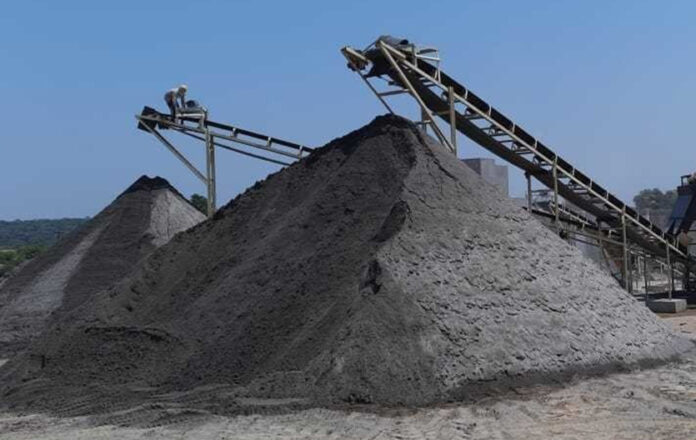
            Rajasthan’s mining department has annulled auctions for 22 sand blocks after companies failed to pay the bid amounts. This decision comes as part of a broader effort to curb illegal mining activities and streamline the auction process, with fresh tenders now being issued.

            Sources within the Directorate of Mines and Geology (DMG) indicated that sand mafias have been using unconventional tactics to disrupt the auction process. Some companies placed high bids but did not deposit the full amounts, resulting in the forfeiture of their payments. This loophole allowed illegal sand mining to flourish, undermining the government’s efforts to regulate the sector. To address these issues, the mining department has floated new tenders and submitted proposals to the DMG aimed at improving the auction system and eliminating illegal practices. The focus is on proper allocation of sand blocks to avoid disruptions from criminal elements. A notable example of this issue was in the Bhilwara, Jahazpur, and Bijolia regions, where no legal leases were granted for sand mining in the Banas River. To resolve the shortage of legally sourced sand, the mining department initiated auctions for around three dozen sand blocks. However, despite receiving letters of intent for 13 blocks, the remaining 22 blocks were awarded to companies that placed exorbitant bids but failed to pay. The highest bids reached Rs 150 crore per block, but these companies did not follow through with the payments. As a result, the government confiscated earnest money deposits amounting to Rs 8.80 crore. While this added revenue to the state, it did not resolve the issue of providing affordable sand to the public. The auctioned blocks include areas such as Jawasiya, Sayla, Bararod, Kherabad, and Kanyakhedi in Hamirgarh; Gegaka Kheda, Kared, Bhakliyan, and Sopura in Sawai Pur; Kesarpura, Bharanikalan, Rawatkheda, and Shakkarpura in Jahazpur; and Ramgarh, Gendliyan, and Hurda. Two companies dominated the bidding process, offering Rs 150 crore for four blocks.

            Additionally, the department has issued letters of intent for 13 other blocks, but mining will not begin until environmental clearances are obtained. Once these clearances are granted, mining activities can commence, potentially ensuring a more stable and affordable supply of sand for the public.

            Redevelopment Boom Mumbai’s Real Estate Transformation

            0
            Redevelopment Boom Mumbai’s Real Estate Transformation
            Redevelopment Boom Mumbai’s Real Estate Transformation

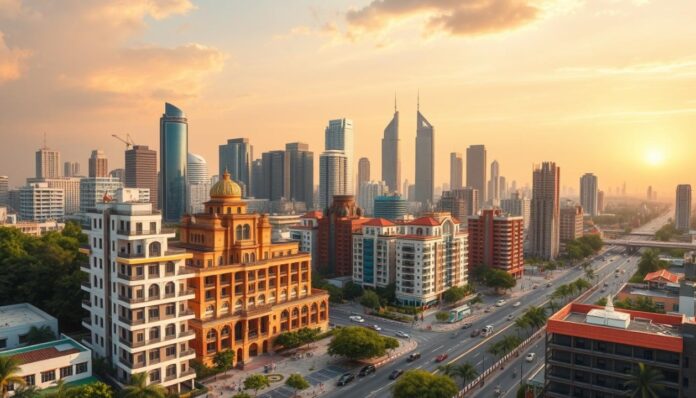
            Mumbai’s real estate landscape is undergoing a paradigm shift, with redevelopment emerging as a lucrative avenue for major players. The financial capital’s saturated land availability, coupled with increasing demand for modern infrastructure, has propelled developers into the redevelopment sector. This approach not only rejuvenates ageing structures but also caters to the evolving preferences of urban homebuyers.

            According to industry reports, Mumbai’s redevelopment market is poised to grow significantly, with nearly 10,000 old buildings identified for potential transformation. These projects attract developers due to reduced land acquisition costs and high returns, given Mumbai’s prime location advantage. For residents, redevelopment offers upgraded amenities, enhanced safety standards, and often, additional space—an emotional win for families long rooted in the city.

            From a sustainability perspective, redevelopment projects address critical urban challenges. By reusing existing land and optimising space, these ventures reduce urban sprawl and preserve green belts. Developers are increasingly incorporating green technologies like solar panels, energy-efficient designs, and rainwater harvesting systems into these projects. This focus aligns with Mumbai’s efforts to combat climate change while improving liveability.

            The redevelopment boom also ties into Mumbai’s civic and urban issues. Many old structures, built decades ago, pose safety risks due to deteriorating conditions. Redevelopment ensures these buildings comply with modern safety codes, alleviating concerns about collapses during monsoons. Furthermore, the influx of new projects enhances neighbourhood infrastructure, such as roads, drainage systems, and public utilities, offering a better quality of life to residents.