

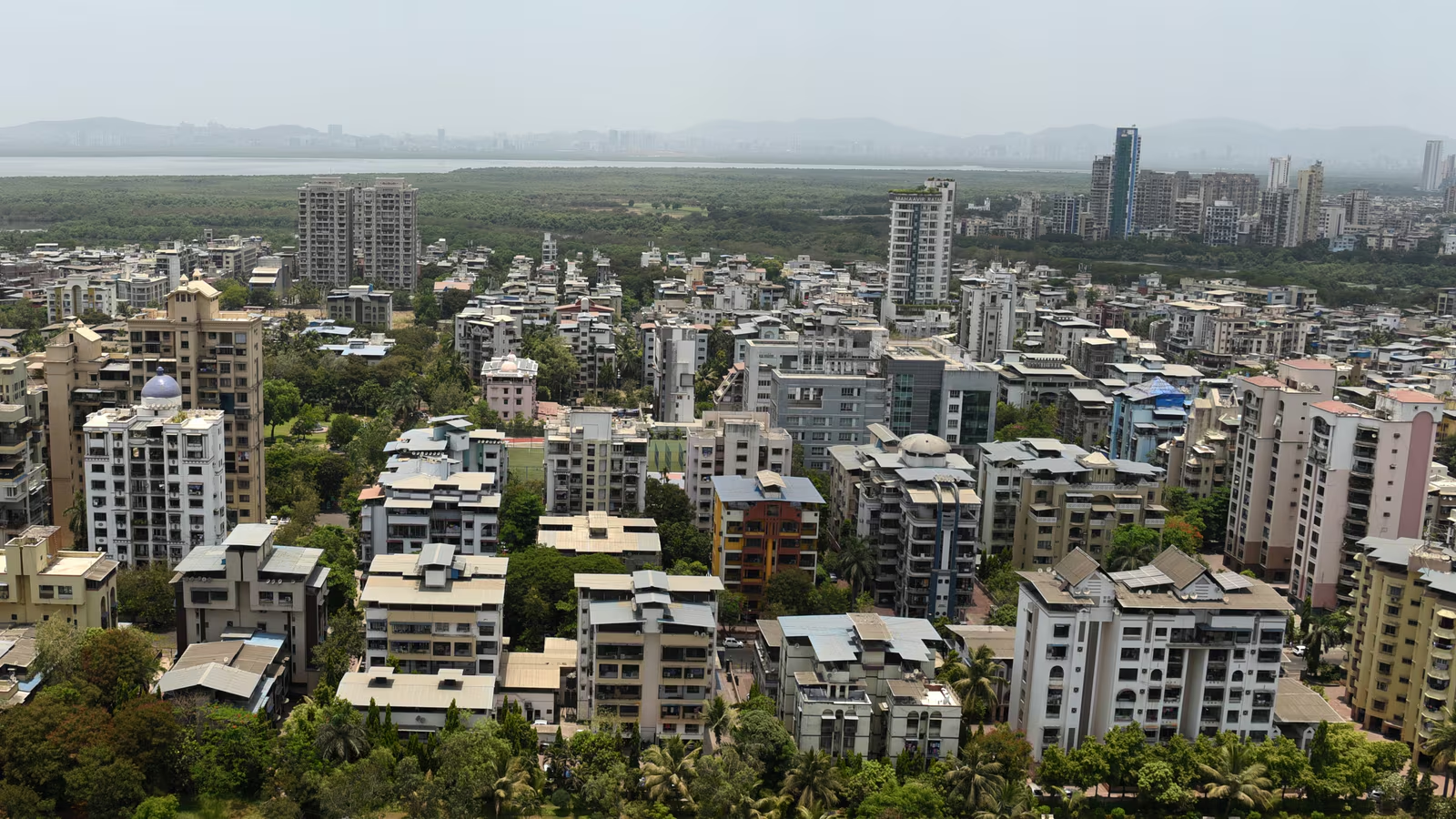
Several prominent Bengaluru-based real estate developers are actively expanding their footprint in Mumbai. The shift is driven by both market dynamics and a compelling business proposition—primarily the lucrative opportunities within Mumbai’s redevelopment sector, particularly in high-demand locations such as Bandra, Juhu, and Malabar Hill. Boman Irani, Chairman and Managing Director of Rustomjee Group, views the influx of new entrants from other cities positively, as a sign of healthy competition in the real estate market.
Irani points out that Mumbai’s redevelopment space, especially for old buildings, is vast and remains underutilised, providing ample opportunities for both seasoned and new players. He adds that larger, well-capitalised developers entering the fray help stabilise the market by encouraging steady growth and mitigating impulsive actions. Among the key players from Bengaluru, Prestige Group and Puravankara have already made significant strides in the Mumbai market. Prestige Group, for instance, now has seven ongoing projects in Mumbai, with more slated to launch in the coming years. Similarly, Puravankara, which entered the Mumbai market in 2021, currently has approximately 4.5 million square feet under development in the region, encompassing a mix of residential and commercial projects. The driving force behind this expansion is multifaceted. Mumbai’s real estate market, notably the Mumbai Metropolitan Region (MMR), is one of the largest in the country, offering a wide spectrum of opportunities—from ultra-luxury to affordable housing. For developers like Puravankara, Mumbai presents a prime opportunity to diversify and scale their operations.
The MMR is almost as large as the entire South Indian real estate market, making it a critical area for growth. Moreover, Mumbai’s high property prices, particularly in coveted locations, make it a highly profitable market for developers. The city’s premium residential projects often begin at ₹25,000 per square foot, a price point significantly higher than most Southern cities. This translates into better margins for developers, despite the challenges of navigating Mumbai’s complex regulatory environment and dealing with tenant negotiations in redevelopment projects. As more builders from Bengaluru set their sights on Mumbai, the city’s real estate market is witnessing heightened competition, potentially benefiting consumers with improved project quality and a broader range of offerings. However, the challenge remains: succeeding in Mumbai requires a deep understanding of the local market and patience to overcome the city’s notoriously lengthy approval processes.




