Nitin Gadkari Proposes 10,000 Water Taxis to Ease Connectivity to Navi Mumbai Airport
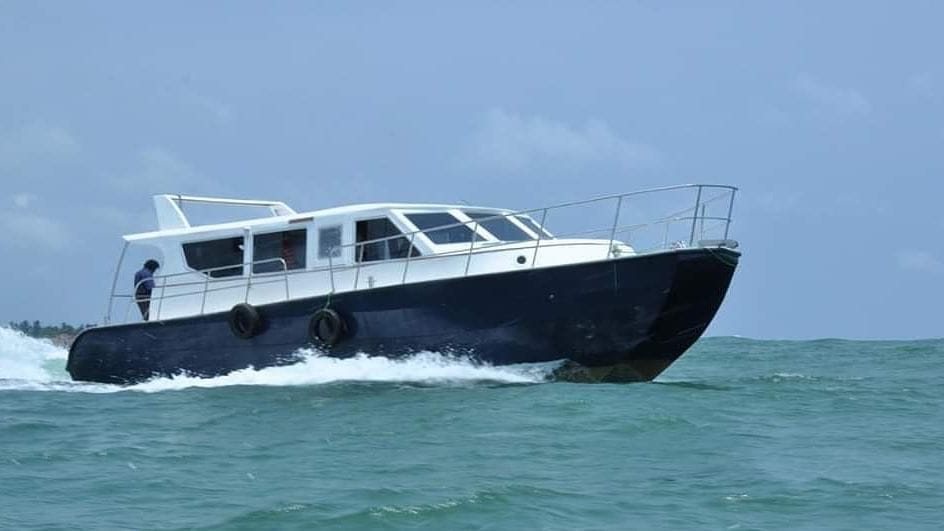
Union Minister for Road Transport and Highways, Nitin Gadkari, has proposed the introduction of 10,000 water taxis to link Mumbai’s far-flung suburbs to the upcoming Navi Mumbai International Airport. The ambitious plan, announced during the ICERP 2025 exhibition, aims to ease connectivity and drastically reduce travel time, offering a faster and more efficient mode of transportation across the city’s waterways.
The proposal is designed to alleviate the chronic traffic congestion that plagues Mumbai’s highways by utilising the city’s natural coastline and waterways. According to Gadkari, the water taxis will provide a quick alternative to road travel, with the potential to carry passengers from distant suburbs such as Virar and Kalyan-Dombivli to the new airport in just 70 minutes. This would be a significant improvement over the current commute times, which are often hindered by Mumbai’s notorious traffic jams. The project, which has already been discussed with Maharashtra Chief Minister Devendra Fadnavis, is expected to be a game-changer for suburban residents, who often face long and stressful journeys to the city’s existing airport. By bypassing road traffic, the water taxis would offer a much-needed respite, especially for those living in far-reaching areas like Virar, situated to the north of the city. The water taxi initiative is a step towards creating a more sustainable and modern transportation network for Mumbai, leveraging the city’s proximity to the Arabian Sea and numerous creeks. This form of water transport is already popular in many coastal cities around the world, but the scale of this proposal for Mumbai is unprecedented. The new service aims to provide an eco-friendly alternative to road-based travel, helping reduce the burden on the city’s already congested roads while also lowering carbon emissions.
Gadkari’s vision for the project is centred around using innovative materials to construct the water taxis. He pointed out the growing popularity of fibre-reinforced plastic (FRP) in the shipping industry due to its lightweight, durable, and cost-effective properties. Gadkari has urged manufacturers to focus on reducing the cost of FRP, making the water taxis more affordable and commercially viable, which would ultimately benefit passengers and service operators alike. The water taxi service is expected to complement other infrastructure developments, including the new metro rail services connecting the Navi Mumbai International Airport. Gadkari emphasised the importance of integrating various modes of transport to provide a seamless travel experience for passengers, reducing the need for multiple transfers and making it easier for people to reach the airport from different parts of the city.
Mumbai, as one of India’s busiest and most important urban hubs, has long struggled with transportation challenges. The introduction of 10,000 water taxis represents a forward-thinking approach to solving these issues. By offering a direct and speedy water-based alternative to traditional road travel, the water taxis could transform the way people commute to the new Navi Mumbai airport, particularly for those residing in the suburbs. This initiative also aligns with the broader goals of sustainable urban transport solutions and reducing environmental impact. With Mumbai’s rapid urbanisation, the need for efficient, low-emission transportation options has never been greater. The water taxi proposal offers a glimpse into the future of urban mobility, where multiple modes of transport work in harmony to provide a cleaner, faster, and more reliable system for commuters. If realised, this project could set a precedent for other coastal cities facing similar traffic challenges. It is an exciting vision for Mumbai’s transport future, one that could significantly improve connectivity and ease the strain on the city’s infrastructure. As the plans for the Navi Mumbai International Airport take shape, the introduction of water taxis could be a key component in making the airport more accessible to millions of passengers. With discussions already underway with state officials, this proposal could soon become a reality, paving the way for a more connected and efficient Mumbai.