

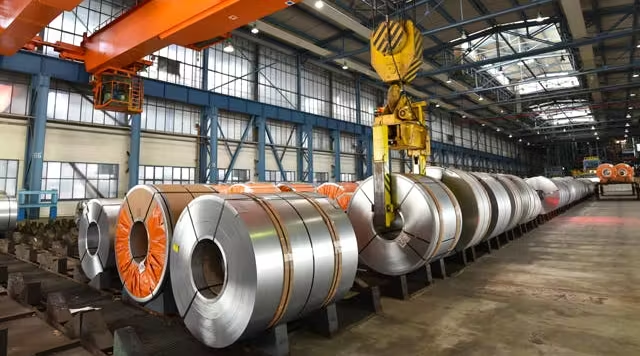
JSW Steel and POSCO have announced a joint investment of $7.73 billion to establish an integrated steel plant in the eastern state of Odisha. The plant, which is set to commence operations with an initial capacity of 5 million metric tons per annum, aims to ramp up production to 18 million metric tons within three years, making it a cornerstone of India’s ambitious infrastructure and industrial expansion.
This investment marks a significant milestone for both companies in their efforts to tap into the fast-growing steel market in India, where demand is surging due to economic growth and large-scale infrastructure projects. According to industry sources, the initial phase of the project will see an infusion of 200 billion rupees (approximately $2.4 billion), with the total investment reaching $7.73 billion as production capacities expand. Odisha, a state rich in iron ore reserves, offers the ideal location for the plant, with its strategic advantage of proximity to raw materials and the growing demand for steel in the region. The proposed facility will manufacture hot-rolled, cold-rolled, and galvanised steel, catering to a wide range of industries, including construction, automotive, and manufacturing. India’s steel demand reached a seven-year high in the April to August period, driven by a boom in construction and infrastructure spending. The Indian government’s ambitious $12 billion plan to expand airports and build new ones further contributes to the surging need for steel. These developments are creating a robust environment for steel production and supply, and the JSW Steel-POSCO venture aims to capture a significant share of this growing market.
Despite facing challenges in the past, such as POSCO’s cancelled $12 billion investment in India due to land acquisition issues, the current venture is expected to benefit from the improved regulatory and infrastructure environment. POSCO, which operates a successful cold-rolled steel mill in Maharashtra, has reaffirmed its commitment to India, signalling confidence in the country’s long-term growth prospects. The JSW Steel-POSCO plant is set to provide a substantial boost to India’s steel-making capacity and contribute to the nation’s infrastructure growth, which is poised to benefit millions across the country. As the demand for high-quality steel continues to rise, this project is expected to play a pivotal role in fulfilling the growing needs of industries and building a stronger manufacturing sector.




