

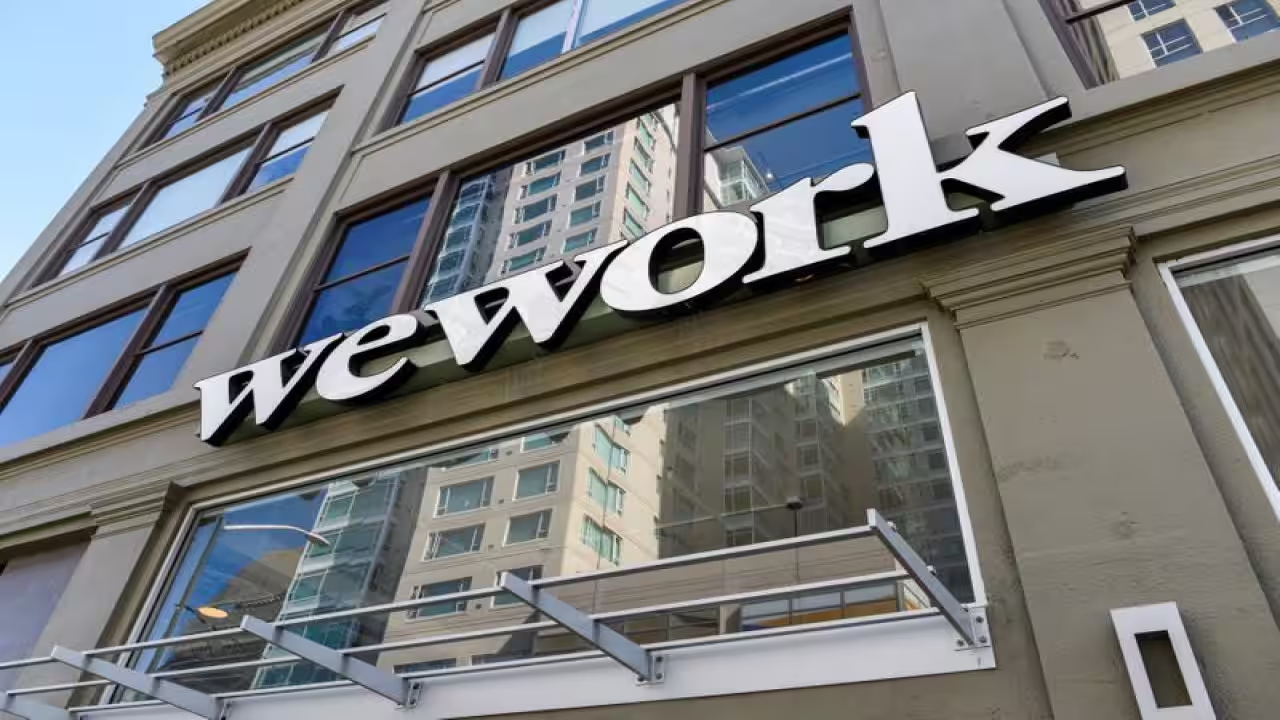
WeWork India has leased 1.26 lakh sq ft of commercial space in Powai, Mumbai
In a significant development in Mumbai’s commercial real estate sector, coworking giant WeWork India has secured a lease for 1.26 lakh square feet of office space in Powai. This deal, valued at ₹1.38 crore per month (equating to over ₹16 crore annually), underscores the growing demand for flexible office spaces in India’s commercial real estate market. Registered on November 29, 2024, the lease marks a noteworthy shift in the leasing dynamics of Mumbai, particularly in the central suburbs of Powai, a growing commercial hub.
The property, situated in the Lightbridge building in the Saki Vihar area of Powai, is spread across three floors: the 6th, 7th, and 8th. At a monthly rental rate of ₹109 per square foot, the lease also includes 84 parking spaces. WeWork India’s decision to move to this prime location comes after its exit from a nearby building, the Chromium building in Powai, further reinforcing the area’s attractiveness to businesses in need of large-scale office solutions. The lease, which begins in August 2025, spans a period of five years and includes a three-year lock-in period, ensuring stability for both WeWork and the landlord, Gamma Construction Pvt Ltd, part of the Hiranandani Group.
The Hiranandani Group has been instrumental in transforming Powai into a thriving commercial and residential area, contributing significantly to its real estate boom. Niranjan Hiranandani, Chairman of the Hiranandani Group, expressed optimism about the overall performance of India’s commercial real estate market in FY 24, with robust leasing activity being driven by evolving market dynamics and investor confidence. Hiranandani also noted the increasing role of flexible office operators like WeWork, which now represent 20% of the new commercial spaces being leased in India. This shift reflects the broader change in workplace culture, particularly with more companies embracing hybrid and flexible work models post-pandemic.
The growth in leasing activity in Powai, however, is not isolated. Across major Indian cities, the demand for commercial real estate continues to surge. A recent report by Cushman and Wakefield predicts that office space leasing across the top eight cities will rise by 13% in 2024, with a total of 83-85 million square feet likely to be leased. Bengaluru, Hyderabad, Mumbai, and Delhi NCR lead the way in leasing activity, driven by strong demand from sectors like IT-BPM, BFSI, and engineering, as well as the expanding market for flexible office spaces. Mumbai, particularly, has witnessed a shift in commercial leasing, with companies prioritising prime locations in areas like Powai, which offer accessibility, infrastructure, and proximity to talent hubs.
While this surge in commercial leasing signals a positive outlook for Mumbai’s real estate market, it also raises important questions about sustainability. With the rise of flexible office spaces and coworking hubs, the need for environmentally conscious building practices is more urgent than ever. The commercial real estate sector, which contributes significantly to India’s carbon footprint, must increasingly look towards green buildings and energy-efficient designs to reduce its environmental impact. In this context, the increasing adoption of green certifications like LEED and GRIHA becomes crucial. As demand for commercial office space grows, it is vital that developers and corporations alike prioritise sustainable building practices to mitigate the negative effects of urban expansion on the environment.
In conclusion, the lease deal between WeWork India and the Hiranandani Group is a testament to the thriving commercial real estate market in Mumbai, especially in areas like Powai that have seen significant infrastructure development. However, it also highlights the importance of incorporating sustainability into India’s real estate growth story. As the demand for flexible office spaces continues to rise, the need for green and energy-efficient buildings will become even more crucial in shaping the future of Mumbai’s urban landscape. By embracing eco-friendly solutions, India’s commercial real estate sector can not only contribute to economic growth but also ensure a more sustainable future for its cities.




