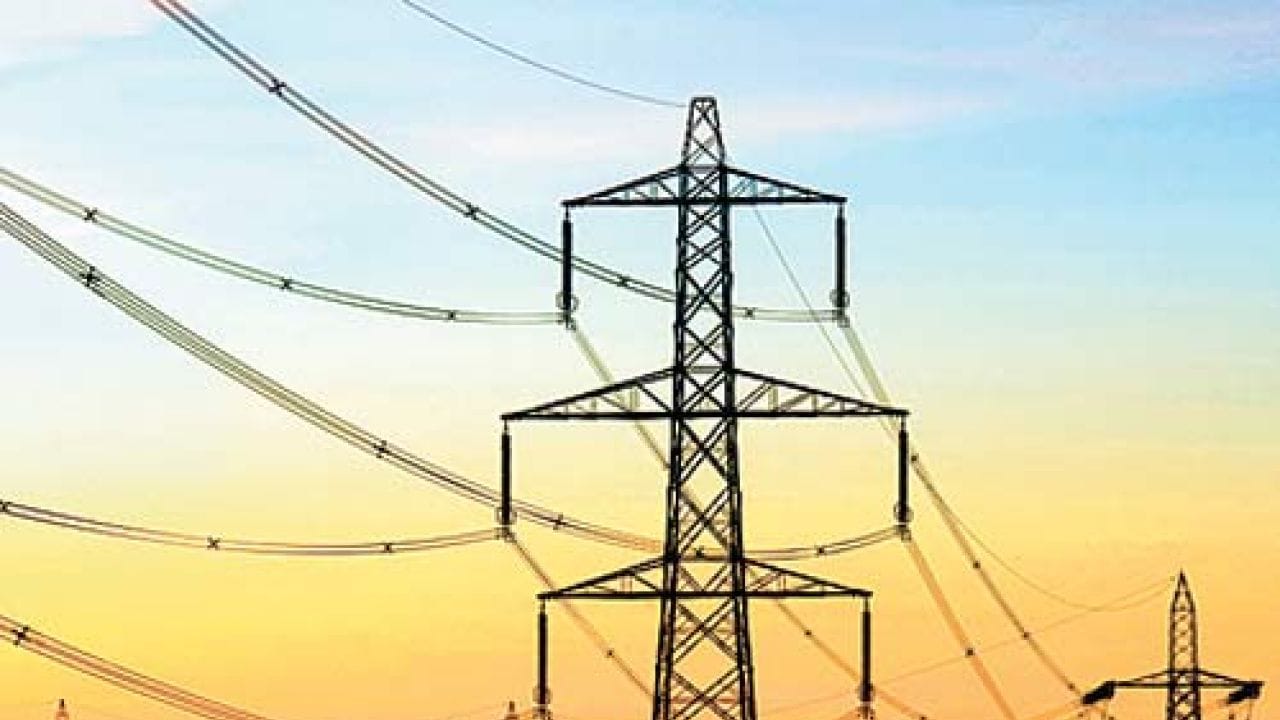
The Gujarat Industrial Development Corporation (GIDC) estate in Sanand is currently in the throes of a significant power crisis, exacerbated by recent heavy rainfall that has resulted in widespread outages. The adverse weather conditions have severely impacted over 100 industrial units, leading to production halts and substantial financial repercussions. On Tuesday, the Sanand GIDC experienced a catastrophic power supply failure due to the inundation of a crucial substation, which was overwhelmed by persistent downpours.
This flooding has disrupted power and water supply to around 300 factories in the region, creating a challenging environment for local businesses. As of Friday, efforts to restore normalcy remain ongoing, yet more than 100 factories continue to suffer from power outages. The estimated production loss at Sanand GIDC is around ₹100 crore per day, presenting a formidable challenge to the local industrial sector. Officials from the Sanand Industries Association (SIA) have reported that while local authorities are actively addressing the power supply issues, the inadequacy of existing infrastructure to manage water drainage has worsened the crisis. The SIA President has emphasised the urgent need for a dedicated stormwater drainage system at Sanand GIDC to prevent similar flooding incidents in the future. The lack of adequate water management infrastructure has emerged as a critical factor contributing to the ongoing disruptions. In contrast, other GIDC estates across Gujarat, including those in Vadodara, are showing signs of recovery.
According to a former president of the Gujarat Chamber of Commerce and Industry (GCCI), most GIDC estates in Vadodara are resuming operations more swiftly than initially expected. Many units in Vadodara and Rajkot are currently operating at approximately 50% capacity, while facilities in Porbandar and Dwarka remain largely idle. This contrast highlights the urgent need for improved infrastructure to manage heavy rainfall effectively and ensure the resilience of industrial operations during adverse weather conditions. Restoring full operational capacity at Sanand GIDC is crucial to mitigate the economic impact on the region’s industrial output. As the industrial landscape evolves, the need for sustainable infrastructure becomes increasingly apparent. Implementing efficient drainage systems and enhancing the resilience of power supply networks will not only support current operations but also safeguard against future disruptions, aligning with broader sustainability goals in industrial management.