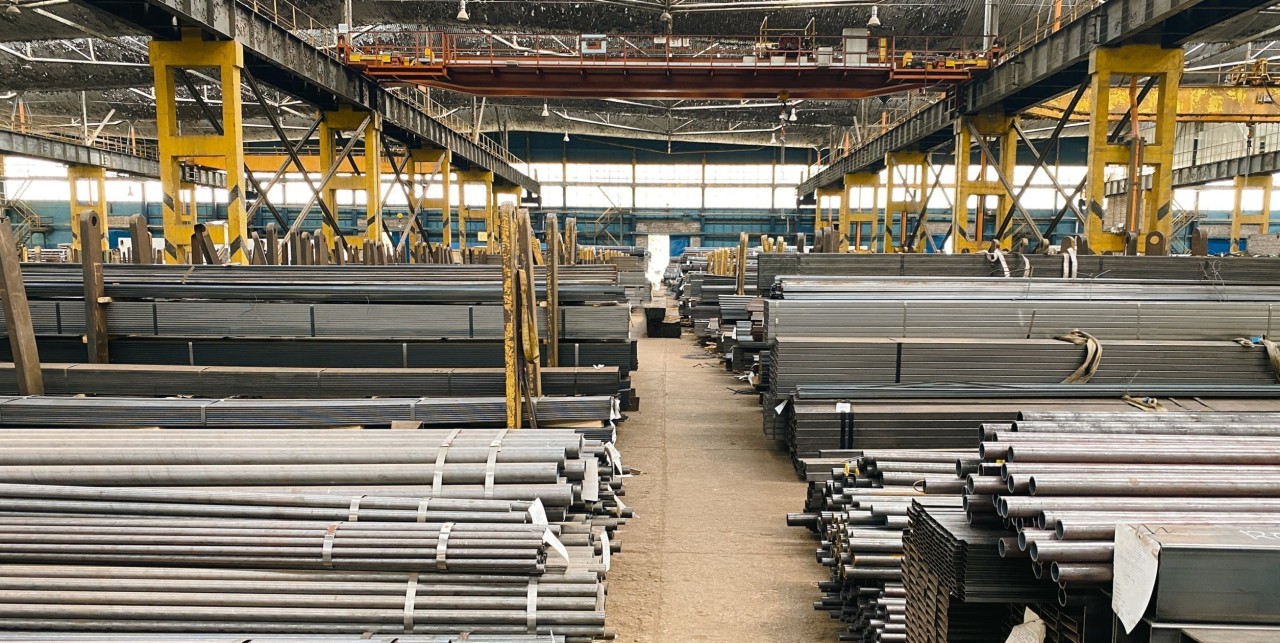
The Indian steel industry, facing a critical juncture, is grappling with the dual challenge of rising imports and ambitious expansion plans aimed at supporting the government’s $1.4 trillion infrastructure push. While this national initiative is highly steel-intensive, the surge in imports, particularly from China, has put domestic manufacturers under significant pressure. Steel prices have been depressed, making it increasingly difficult for firms to sustain their expansion efforts and meet rising demand. Consequently, the inventory levels of steel companies have spiked from the usual 15-16 days to a concerning 30 days, indicating a market under strain.
India, the world’s second-largest producer of crude steel, has seen a significant shift in its trade balance. Since the last fiscal year, the country has transitioned from being a net exporter of finished steel to becoming a net importer, a stark change from its status as a steel surplus nation since FY20. In response, the domestic steel industry is now calling for protective measures against the influx of cheap imports, especially from China. This is in line with actions taken by global counterparts such as the US, European Union, and Canada, which have implemented anti-dumping and safeguard duties to protect their markets. The Ministry of Steel, in a bid to shield domestic producers, has proposed a 25% safeguard duty for two years, hoping to curb the impact of cheap Chinese steel, which currently accounts for 30% of India’s imports and has surged by 35.4% year-on-year.
However, the efficacy of such a safeguard duty is being questioned. While China is the primary target, the rise in steel imports from countries like Japan and South Korea complicates the situation. Both nations have trade agreements with India, allowing steel imports at nil duty, which means a safeguard duty would not impact these shipments. Currently, about 62% of steel imports come from countries with which India has signed free trade agreements, and the safeguard duty will not affect these volumes.
Moreover, the process of implementing safeguard duties is time-consuming, often taking between four to six months due to the required paperwork and investigations. During this period, the industry continues to face the adverse effects of cheap imports. Additionally, the imposition of such duties could have unintended consequences for India’s engineering sector, where steel makes up 60% of production costs. The engineering industry is concerned that higher steel prices will make their exports less competitive on the global stage. Furthermore, the steel industry is seeking expedited processes for clearing steel shipments, urging the government to speed up the issuance of no-objection certificates to avoid delays in customs.