Navigating the Changing Real Estate Market Landscape
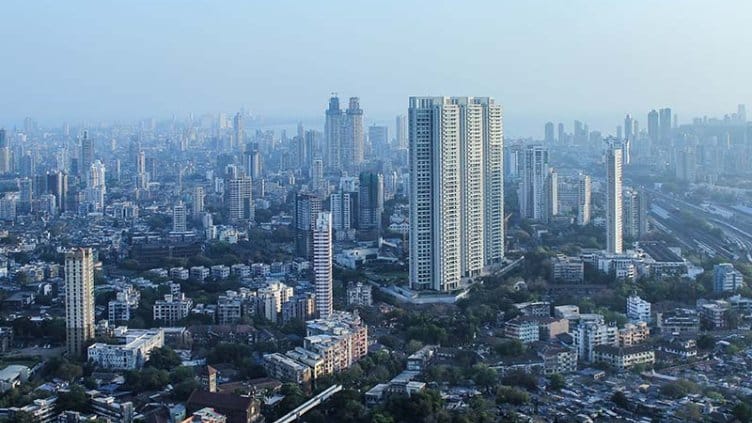
The Indian real estate market is entering a transformative phase, with evolving demands and new challenges creating opportunities for innovative solutions. As the sector adapts to changing economic conditions, rising demand for sustainability, and an increasingly diverse consumer base, real estate players are looking for strategic interventions to drive growth. These solutions are not just financial—they address pressing issues such as affordability, infrastructure development, and the importance of green building practices. With a projected market value of $1 trillion by 2030, the Indian real estate sector is witnessing an urgent need for reforms and innovations that align with the demands of a modern, urbanising India.
Affordable housing remains a key priority in this evolving landscape. With property prices rising steadily in major urban areas, the challenge of affordability continues to haunt the sector. Adjusting pricing caps on affordable housing projects could be a pivotal solution. The current cap of Rs 45 lakh, set in 2017, is no longer aligned with the market realities. As inflation and property costs rise, a more realistic pricing model is essential. This adjustment would not only make affordable homes more accessible but would also ease the financial burden on buyers, promoting higher demand and enabling the sector to thrive. Sustainable and innovative construction methods—such as modular housing and smart homes—could further help in addressing affordability while maintaining quality and sustainability.
Infrastructure development in smaller cities is another crucial factor driving the transformation. As cities like Jaipur, Pune, and Lucknow witness rapid urbanisation, there is a growing demand for improved infrastructure. Well-planned roads, reliable public transport, healthcare, and educational facilities are essential to create a balanced urban growth model. Investments in Tier 2 and Tier 3 cities present an opportunity to alleviate congestion in metropolitan areas, as well as boost local economies. These cities are increasingly becoming the hub for commercial and residential spaces, providing millennials and young professionals with affordable, yet contemporary living options. Furthermore, focusing on sustainable urban planning can ensure that these cities avoid the pitfalls of unchecked expansion and become models for responsible urbanisation.
Real Estate Investment Trusts (REITs) are another avenue where innovative solutions could drive the market forward. REITs allow for fractional investments in high-value real estate projects, providing an opportunity for smaller investors to participate in the sector. However, the sector’s growth is hindered by inconsistent tax policies and regulatory barriers. Simplifying and standardising tax structures for REITs could unlock significant potential, attracting both domestic and international capital. This would encourage the development of large-scale commercial and residential projects, driving infrastructure growth and creating jobs in the process. The increasing demand for well-managed, high-quality real estate assets, especially in urban areas, positions REITs as an ideal mechanism for real estate developers to access funds while giving investors steady returns.
Sustainability is becoming a defining feature of the real estate market cycle. As environmental concerns grow, there is a palpable shift towards eco-friendly construction and green buildings. The government has already introduced measures like the Model Building Bye-Laws 2016, which push for energy-efficient designs. The integration of renewable energy systems, water conservation, and waste management solutions in new developments is no longer just a trend—it’s a necessity. Investors and developers are increasingly focusing on sustainable, net-zero buildings to attract a new wave of eco-conscious buyers. Additionally, adopting smart technology in homes, such as IoT-based energy management, ensures that properties not only remain environmentally friendly but also meet the growing demand for high-tech living. Sustainability, therefore, is not just an ethical choice—it’s a business strategy that enhances long-term profitability and ensures the resilience of the real estate sector in an uncertain future.
The real estate sector is at a critical juncture, where innovative solutions will dictate its ability to adapt and thrive. From the recalibration of affordable housing definitions to the push for sustainability, these changes are already beginning to reshape the industry. Developers, investors, and policymakers must work in tandem to ensure that growth is both rapid and sustainable, catering to the needs of an urbanising India while preserving the environment. The future of the Indian real estate market lies in its ability to innovate and remain adaptable, balancing economic growth with the values of sustainability and responsible development.