China’s Debt Crisis Deepens as Property Market Struggles
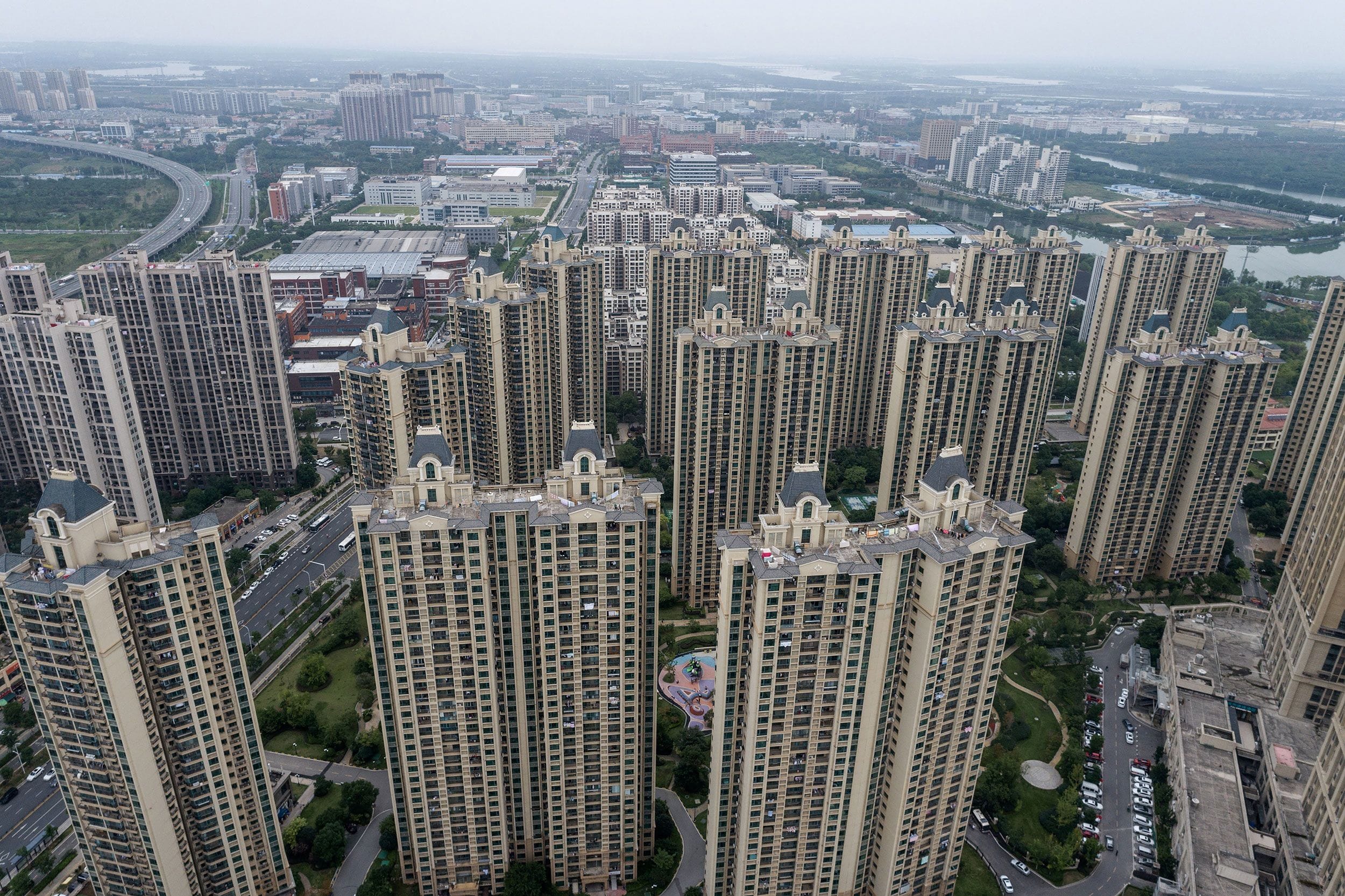
The year 2025 begins with mounting financial turmoil for Chinese property developers, as the country’s real estate crisis stretches into its fifth year, showing few signs of recovery. After years of rapid growth, China’s once-booming property sector now faces a deepening debt crisis, with several high-profile developers grappling with defaulted loans, liquidation petitions, and an overall struggling housing market. These developers, some of whom are among China’s largest, now face mounting pressure from creditors and regulators, as the nation’s real estate sector continues to deteriorate.
In the latest developments, Sunac China Holdings, one of the country’s major property developers, found itself facing yet another winding-up petition. Despite restructuring its offshore debt in 2023, the company has struggled to meet its repayment obligations, causing its stock and bond prices to plummet. Other large developers, including Country Garden Holdings Co. and Times China Holdings Ltd., are also on the defensive, with upcoming liquidation proceedings that are expected to test the limits of their financial stability. These companies are grappling not only with debt restructuring but also with the overall stagnation of the housing market.
Compounding the issues for these developers is the growing concern over the liquidity crisis facing many Chinese real estate giants. China Vanke Co., another prominent developer, is under scrutiny as it faces $4.9 billion in debt repayments due this year. With limited access to new financing options, the company’s ability to avoid default remains in question. These concerns are compounded by broader economic factors, including an overall slump in housing sales, which saw a 28.1% decline in 2024 compared to the previous year. Despite government efforts to stabilise the market, including lowering borrowing costs, relaxing home-buying restrictions, and reducing taxes, there has been little visible improvement.
The Chinese government has attempted various measures to stabilise the housing market and alleviate the strain on developers. These initiatives have included efforts to reduce the cost of mortgages for existing homeowners, relax purchasing restrictions in major cities, and introduce tax incentives for buyers looking to upgrade their homes. However, the impact has been limited, and the underlying challenges in the sector persist. According to analysts at JPMorgan Chase, Chinese property developers, burdened by overwhelming debt and struggling with liquidity, are poised to be the biggest source of defaults in Asia in 2025.
In light of these developments, many developers are revising their debt restructuring plans, hoping to alleviate their financial burdens. For example, Country Garden is in the process of negotiating new terms with key banks, aiming to slash its debt and reduce borrowing costs. Similarly, the Logan Group, which has already defaulted, unveiled a revised term sheet for its $8 billion offshore debt restructuring. However, without a significant recovery in the housing market, these efforts may be insufficient to prevent further defaults. The challenges facing China’s real estate sector are not just financial but also deeply tied to the country’s urban planning and sustainability.
As the real estate crisis intensifies, the implications for urban sustainability and civic development become more pressing. Developers’ inability to meet their financial obligations has delayed vital housing projects, leading to an increasing shortage of affordable homes, especially in urban centres. Moreover, the lack of progress in completing key infrastructure projects has hindered the development of sustainable, livable cities. This presents a critical challenge for China’s urban planners, who must navigate the need for economic recovery while ensuring that growth is environmentally sustainable and socially inclusive. Without a significant shift towards long-term planning and sustainable building practices, the crisis in China’s real estate sector will continue to have far-reaching consequences for both developers and urban residents alike.