India’s Metro Network Becomes World’s Third-Largest with 1,000 km Expansion
India has recently achieved a significant milestone in its efforts to improve urban infrastructure, becoming the world’s third-largest metro network with the addition of 1,000 kilometres to its existing system. This achievement not only highlights the country’s growing commitment to modernising its urban transport but also showcases the tangible progress under Prime Minister Narendra Modi’s leadership, with a strategic vision for seamless and efficient urban mobility.
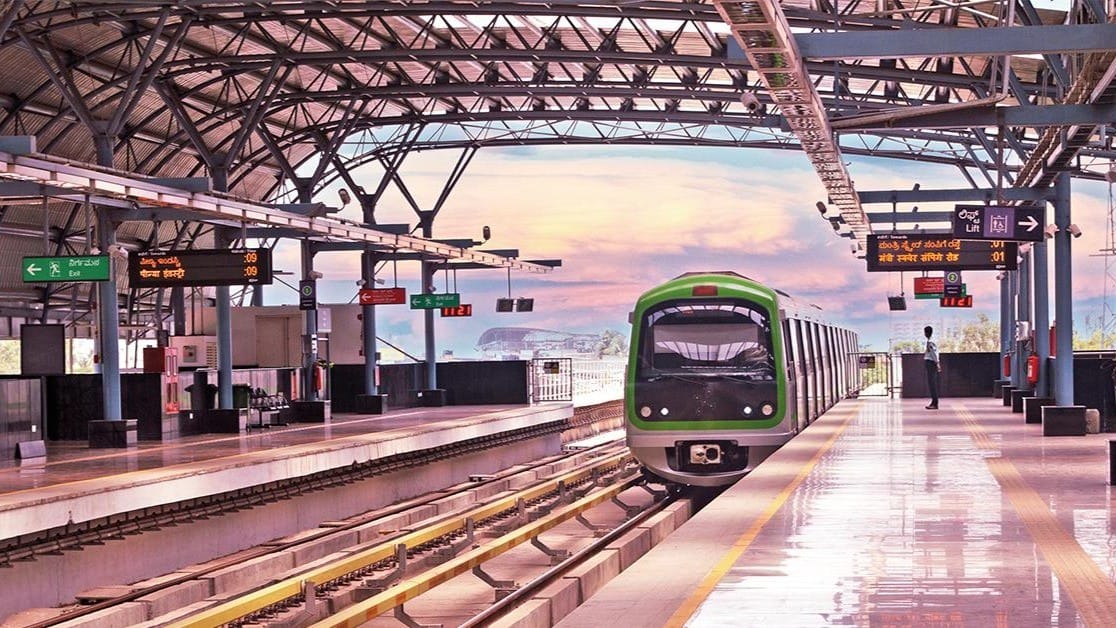
Since the inception of India’s modern metro system in 2002, initiated by former Prime Minister Atal Bihari Vajpayee in Delhi, the network has expanded at an unprecedented rate, especially since 2014. Over the past decade, the metro network has tripled in size, growing from a modest 300 kilometres to over 1,000 kilometres, dramatically reshaping urban mobility for millions of citizens. The growth has been truly impressive in both scale and scope. The number of states with metro systems has increased from just five to eleven, while the number of cities with metro connectivity has risen from five to 23. This means that cities across the country, from Kolkata to Bengaluru, now benefit from modern, fast, and reliable public transport options, making daily commutes more efficient for urban dwellers. One of the standout features of this expansion is the dramatic increase in daily ridership. In 2014, the daily ridership stood at 28 lakh passengers. Today, it has surged to over 1 crore, reflecting the growing reliance on metro systems as an efficient mode of transport. This 2.5-fold increase in ridership is a testament to the metro’s ability to address the increasing demand for urban mobility in densely populated areas.
Additionally, the distance travelled by metro trains has also experienced significant growth, expanding from 86,000 kilometres per day to a staggering 2.75 lakh kilometres. This not only reflects the increased scale of operations but also demonstrates the critical role metros play in alleviating road congestion and reducing pollution in major cities.The metro system’s expansion is part of a broader vision by PM Modi to create a world-class transport infrastructure. This vision is centred around providing affordable, comfortable, and sustainable transport solutions for urban residents, thus improving the overall quality of life. By investing in metro infrastructure, India is addressing the growing need for reliable public transport, while also contributing to the reduction of traffic congestion and the environmental impact of traditional transport modes.
The inauguration of new metro projects has been a focal point of this initiative. For example, the recent launch of the 13-kilometre stretch of the Delhi-Ghaziabad-Meerut Namo Bharat Corridor, designed to significantly improve regional connectivity, is one of several new projects aimed at enhancing India’s urban transport network. This corridor, along with the 2.8-kilometre stretch of Delhi Metro Phase IV, showcases the government’s continued commitment to improving regional connectivity and reducing travel time for commuters. Moreover, the planned Rithala-Kundli metro section, part of Phase IV, is expected to enhance connectivity between Delhi and neighbouring Haryana. The new corridor, which spans 26.5 kilometres, will benefit key areas such as Rohini, Bawana, Narela, and Kundli, providing efficient connectivity for thousands of commuters. The rapid expansion of India’s metro network reflects the nation’s ongoing urbanisation and the government’s determination to meet the growing infrastructure needs of its people. As the metro network continues to evolve, it is set to play a crucial role in reshaping the urban landscape, providing millions of citizens with sustainable, reliable, and modern transport options. With further metro extensions planned across various regions, India’s urban mobility is poised to become even more accessible and effective in the years to come.