Delhi Luxury Real Estate High-Rises Redefining the City Landscape
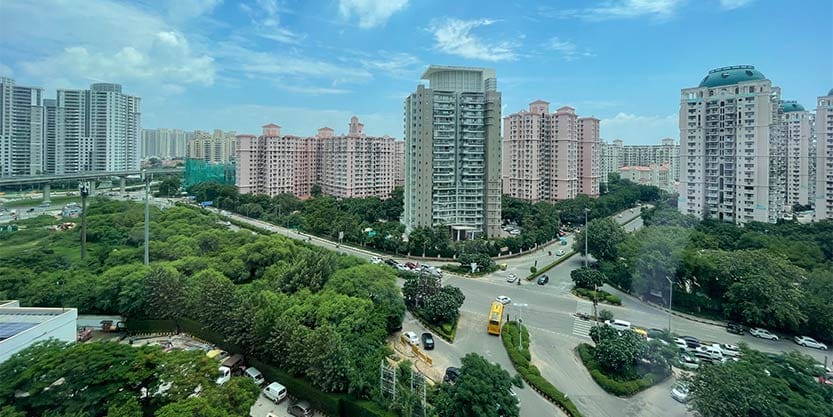
New Delhi, once synonymous with sprawling bungalows and independent floors, is now witnessing a dramatic shift in its real estate landscape. The city, long known for its horizontal expansion, is rapidly embracing vertical living, with luxury high-rise condominiums replacing the traditional homes that once defined its character. This transformation, spurred by the post-pandemic surge in demand, signals a change in the way Delhiites perceive and approach urban living. The new face of luxury real estate in Delhi is one that combines the best of modern architecture, community living, and integrated housing solutions.
Recent data underscores this trend, revealing that luxury homes are increasingly becoming the preferred choice for buyers. According to a report by JLL, 19% of all homes sold in Delhi-NCR in the first half of 2024 were in the luxury segment. This growing preference is being met with an array of high-rise developments, setting new benchmarks for urban living. Developers have been quick to respond, launching projects that offer unparalleled luxury, security, and convenience, such as DLF ONE Midtown, located in Moti Nagar. This project stands as a testament to the growing demand for high-rise luxury, with over 900 apartments spread across four towers, offering extensive green spaces, a state-of-the-art clubhouse, and sophisticated residential designs.
One of the leading proponents of this shift is Aakash Ohri, JMD and Chief Business Officer of DLF Ltd. He emphasizes that Delhi’s evolving real estate market reflects an increasing demand for integrated living spaces that combine comfort, security, and a sense of community. “ONE Midtown in West Delhi epitomizes this transformation. It offers residents a harmonious blend of luxury and functionality, with expansive green areas, thoughtfully-designed homes, and advanced amenities. This shift represents a broader trend where buyers are looking for more than just a home – they are seeking an integrated lifestyle,” says Ohri.
Developers like TARC Limited are also capitalising on this shift, with projects such as TARC Kailasa and TARC Tripundra offering upscale residences in sought-after locations like Patel Road and Bijwasan. Amar Sarin, MD and CEO of TARC Limited, notes that homebuyers in Delhi are increasingly moving from independent builder floors to luxury high-rises. “The demand for high-rise living is not just about comfort but also about offering an unparalleled living experience that blends modern design with traditional elegance,” he states. This market shift is driven by evolving buyer preferences, with a growing focus on integrated developments that offer not just homes but a full range of lifestyle amenities.
The post-COVID real estate boom in Delhi reflects broader changes in the city’s housing market. In 2024, the luxury housing sector saw a 25% year-on-year increase in sales, with nearly half of all sales in Delhi-NCR coming from luxury segments. Shashank Vashishtha, Executive Director at eXp India, attributes this to the city’s appeal to both local and outstation buyers, alongside a scarcity of integrated developments. He points out that the scarcity of such developments has created a favourable investment climate for both established and emerging developers, further cementing Delhi’s status as a premier residential destination.
However, while this growth is encouraging, it is important to consider its impact on sustainability and the environment. The rapid rise of luxury high-rises raises questions about urban planning and resource management. As the city continues to grow vertically, challenges such as water usage, waste management, and traffic congestion need to be addressed. The need for sustainable building practices, such as energy-efficient designs and eco-friendly materials, becomes critical. Integrating green spaces and promoting public transport solutions within these luxury developments can help mitigate the environmental footprint of such urban expansion, ensuring that the city’s transformation is sustainable in the long run.